Catalytic reforming
Refinery process
Catalytic reforming turns low-octane heavy naphtha into high-octane reformate over a platinum catalyst. It also produces a large share of the hydrogen a refinery uses elsewhere.
- اللقيم
- Hydrotreated heavy naphtha (about 140 to 205 C cut)
- ينتج
- Reformate, Hydrogen, LPG and light gases
- درجة الحرارة
- About 495 to 525
- الضغط
- About 5 to 45
- المحفّز
- Platinum, often with rhenium, on chlorided alumina
مخطط سير العملية
ما يفعله
Heavy straight-run naphtha, boiling roughly between 140 and 205 degrees Celsius, has a poor octane rating and cannot go straight into gasoline. After hydrotreating to protect the catalyst, the naphtha is mixed with recycled hydrogen and passed through a series of reactors with furnaces between them, because the main reactions absorb heat. Naphthenes lose hydrogen and become aromatics, straight-chain paraffins cyclise and branch, and a small amount of cracking occurs. The liquid product, reformate, is rich in aromatics such as toluene and xylenes and is a major gasoline blending component or source of petrochemical aromatics. Net hydrogen is a valuable by-product.
خطوة بخطوة
- Naphtha is hydrotreated to remove sulphur and nitrogen
- Feed is mixed with recycle hydrogen and heated
- Gas enters the first reactor where dehydrogenation cools the stream
- The stream is reheated between three or four reactors
- Effluent is cooled and hydrogen-rich gas is separated
- Some hydrogen is recycled and the net hydrogen leaves to the refinery
- The liquid is stabilised, removing light ends, to give reformate
الكيمياء
The key reaction is dehydrogenation of naphthenes to aromatics, for example methylcyclohexane to toluene, which is strongly endothermic and releases hydrogen. Paraffins also dehydrocyclise to aromatics and isomerise to branched forms, both of which raise octane. Hydrocracking breaks some paraffins into LPG, consuming hydrogen. The metal function of platinum drives dehydrogenation and the acid function of the alumina drives ring closure and isomerisation.
التفاعلات، مرسومة ذرة بذرة


 C7H14 -> C7H8 + 3H2Naphthene to aromatic.
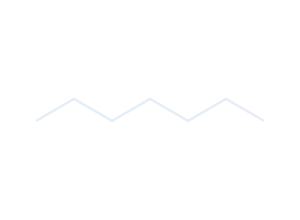 C7H16 -> C7H8 + 4H2Paraffin to aromatic.
المعدات الرئيسية
- Charge and interstage heaters
- Three or four radial-flow reactors
- Product separator
- Recycle compressor
- Stabiliser column
السلامة
Hydrogen-rich gas at temperature is flammable; benzene in reformate is a toxic hazard. Catalyst chlorides can form acidic corrosion.
اختبر نفسك
What is the principal by-product of reforming?
ذات صلة
- Hydrotreating and hydrodesulphurisationRefinery process
- IsomerisationRefinery process
- Hydrogen production (steam methane reforming)Refinery process
- Product blending and additivesRefinery process
المصادر
كُتب بأسلوب PST من المصادر أعلاه. الثقة في البيانات: high. تختلف المصانع الفعلية في التصميم وظروف التشغيل.