Butadiene and C4 chemistry
Petrochemical process
The C4 stream from a steam cracker contains butadiene, butenes and isobutene, which are separated and turned into synthetic rubber, fuel ethers and other products.
- Feed
- Mixed C4 stream from steam crackers (or n-butane for on-purpose units)
- Makes
- 1,3-Butadiene, Isobutene, Butene-1 and butene-2, Raffinate for MTBE
- Temperature
- Extraction near ambient to moderate temperature; dehydrogenation routes are hot
- Catalyst
- None for extractive distillation; chromium or iron oxide for on-purpose dehydrogenation
Process flow
What it does
Most butadiene is a by-product of steam cracking, so a naphtha cracker yields a C4 stream rich in it. Butadiene is separated from the other C4 hydrocarbons by extractive distillation using polar solvents such as NMP, DMF, acetonitrile or furfural. About 75 percent of butadiene goes into synthetic rubbers, above all styrene-butadiene rubber for tyres, plus polybutadiene, ABS and nitrile rubber. After butadiene is removed, the remaining C4 raffinate holds isobutene, which can be reacted with methanol to make MTBE.
Step by step
- Take the C4 cut from the cracker debutanizer
- Extractive distillation with polar solvent
- Strip butadiene from the solvent
- Purify butadiene in a finishing column
- Send raffinate to isobutene recovery or MTBE
- Store and ship butadiene cold or pressurised
- Convert to SBR, polybutadiene or ABS
The chemistry
Butadiene has two conjugated double bonds, which is why it polymerises readily into rubbers. Dehydrogenating butane is an alternative on-purpose route.
Reactions, drawn atom by atom


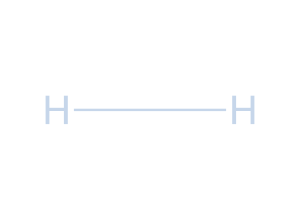 C4H10 -> C4H6 + 2 H2On-purpose route when cracker supply is short.
Main equipment
- Extractive distillation columns
- Stripper
- Solvent recovery section
- Spheres or cold storage
Safety
Butadiene is a flammable carcinogenic gas that can form explosive peroxides, so it is stored with inhibitor and controlled temperature.
In the Gulf
Butadiene production in the Gulf is a by-product of naphtha-fed crackers, such as the Red Sea integrated complex at Rabigh. Ethane-based crackers give little C4, which is why Gulf butadiene volumes are modest.
Test yourself
How is butadiene separated from other C4s?
Related
- Steam crackingPetrochemical process
- MTBE and ETBEPetrochemical process
- Naphtha as petrochemical feedPlant type
Sources
Written in PST's own words from the sources above. Confidence in the data: high. Real plants differ in design and operating conditions.