Gases
Butane
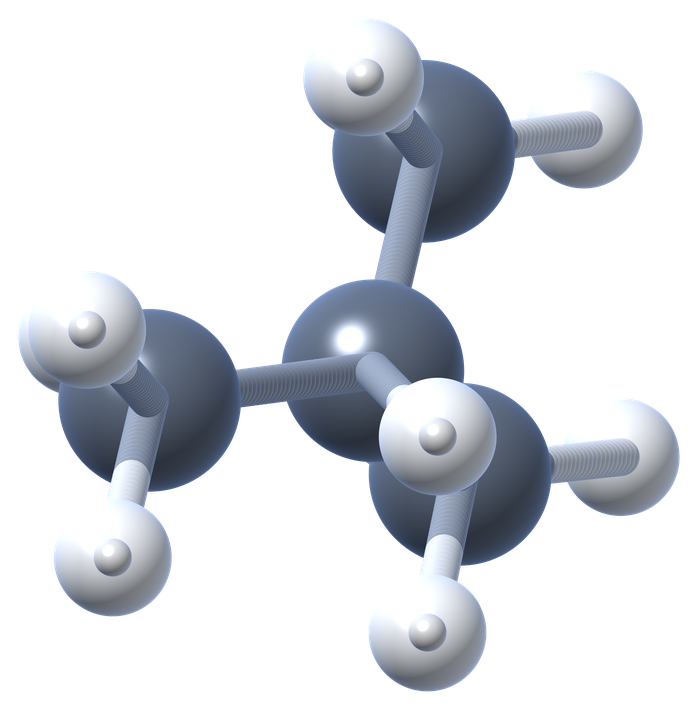
Butane is the four-carbon alkane C4H10 and the heavier component of LPG. It exists as n-butane and isobutane and is used for LPG blends, gasoline blending and petrochemicals.
← All productsAlso called: C4, n-butane, Isobutane, Commercial butane
- Density560 to 600 kg/m³
- Boiling range-12 to 0 °C
- HazardUN1011 (butane) or UN1969 (isobutane), Class 2.1 flammable gas
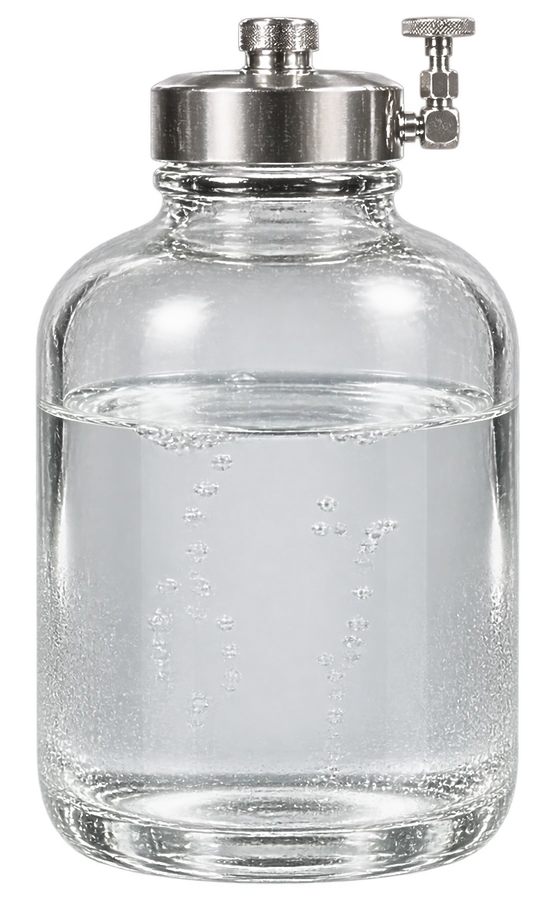
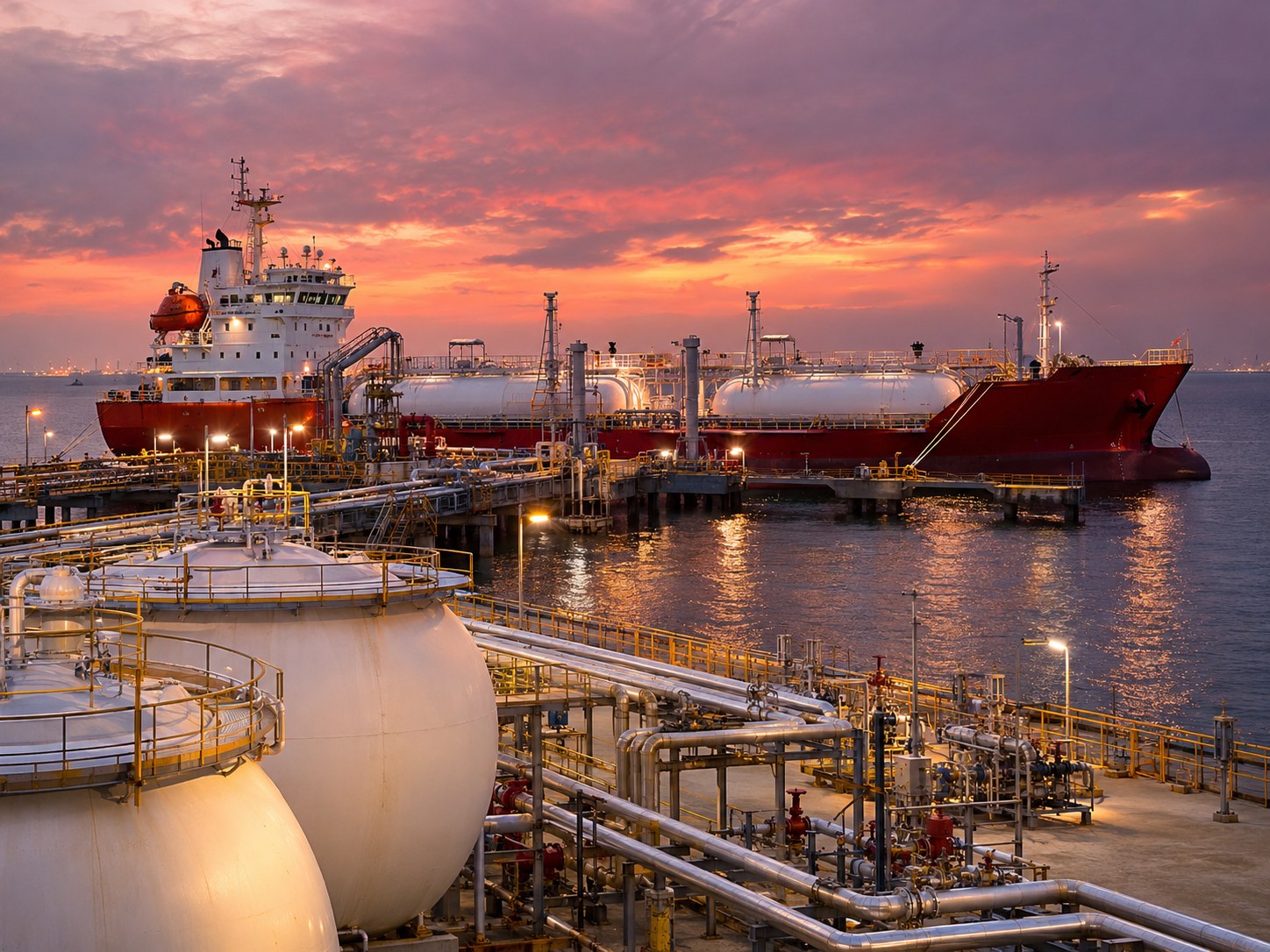
Image credits Laboratory glass samples are made from reference photos on Wikimedia Commons by Chemik10 (CC BY-SA 2.5) and a CC0 petroleum sample photo. Photograph: made from a reference photo by W. Bulach, CC BY-SA 4.0, via Wikimedia Commons.
Stir the liquid to feel how thick it is
Move the mouse or a finger across the liquid. Press and drag to stir harder. Keyboard: arrow keys stir, Space shakes.
Very thin Water-thin or thinner. Ripples run fast and ring for a long time.
- Stir speed
- 0 px/s
- Liquid movement
- 0%
- Settled after
- -
- Surface
- Still
The class is a guide for feel. The viscosity figure shown is the one in the specification data.
How it looks
Colourless gas, colourless liquid under pressure
Where it is used
- LPG blending
- Gasoline vapour pressure adjustment
- Alkylation feed (isobutane)
- Petrochemical feed
Handling and safety
- Stored in pressurised or refrigerated tanks, loaded on gas carriers; inspection by gauging and gas chromatography.
- Extremely flammable, vapour heavier than air.
Typical properties
- Appearance
- Colourless gas, colourless liquid under pressure
- Density at 15 °C
- 560 to 600 kg/m³
- Boiling range
- -12 to 0 °C
- Viscosity
- Very low
- Pour point
- Not applicable
- Typical sulphur
- Near zero
◉What it is
Butane is a colourless gas at normal conditions that liquefies under modest pressure. It occurs as two isomers: n-butane, a straight chain, and isobutane, a branched chain. Both are produced from natural gas processing and refinery operations. Its vapour pressure is lower than propane, so it is preferred in warmer climates and in summer blends. It is used to raise the vapour pressure of gasoline in winter and as feed for alkylation or petrochemical units.
⬡What it is made of
C4 alkanes: n-butane and isobutane, with small butenes.
⚛The chemistry
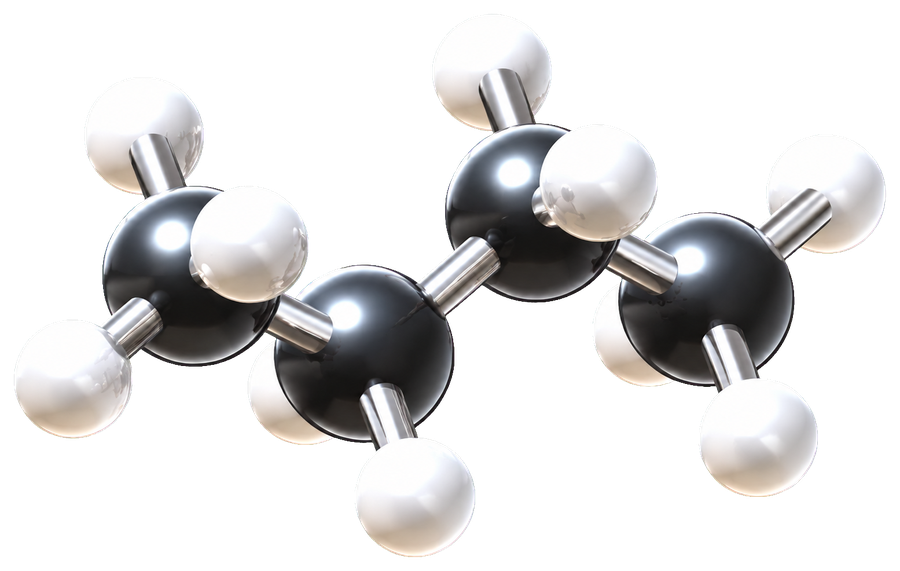
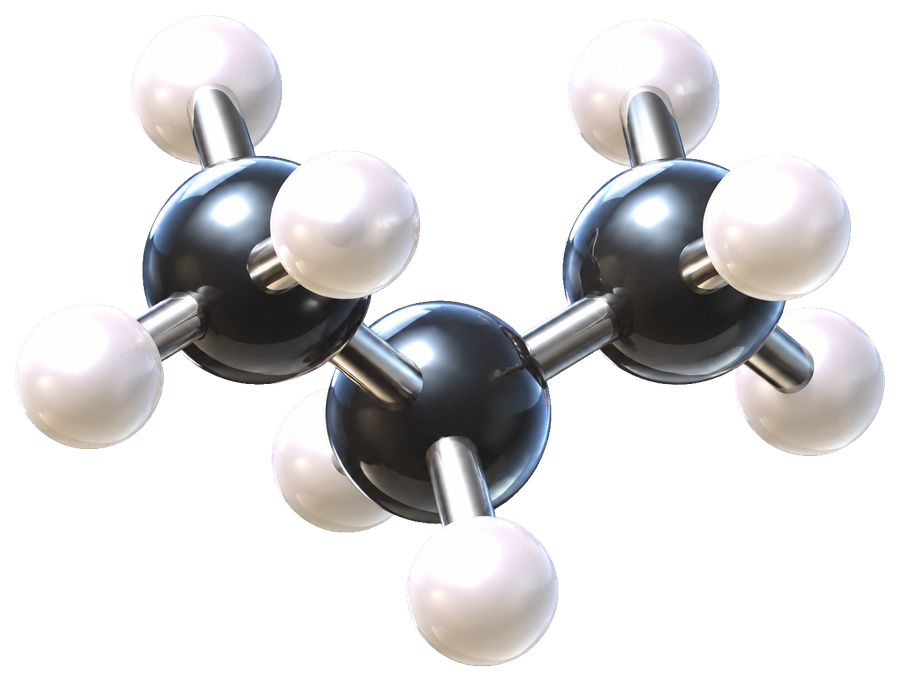
C4H10 exists as two structural isomers with the same formula but different shapes. Isobutane's branched shape lowers its boiling point and makes it a useful feed for alkylation, which combines it with olefins to make high-octane alkylate. Butanes contain almost no sulphur once treated.
⚙How it is made
Recovered from NGL fractionation (debutaniser) and from refinery gas plants.
▶How it works
Butane's higher boiling point makes it less volatile than propane, so it is more suitable in warm climates, and n-butane is blended into gasoline to adjust vapour pressure.
▣Storage, loading and inspection
Stored in pressurised or refrigerated tanks, loaded on gas carriers; inspection by gauging and gas chromatography.
★Why it matters in the Gulf
Gulf producers export butane alongside propane, mainly to Asian buyers, with the Saudi Aramco CP as the regional price reference. Volumes are not stated.
Key molecules
Standards and specifications
| ASTM D1835 | Specification for liquefied petroleum (LP) gases. Covers butane and butane-propane mixes. |
|---|
Hazards
Extremely flammable, vapour heavier than air.
How it is traded
Units
Metric tonnes
Benchmarks
Saudi Aramco CP Butane, Argus Far East Index
Typical cargo
VLGC about 44,000 tonnes
Incoterms
FOB, CFR
Notes
Butane cargoes may be n-butane, isobutane or mixes.
Refineries that make it: our suggestions
100 listed refineries make this product, 44 of them in the Gulf, Iran and Iraq. We rank Gulf plants first, then operating plants, then by capacity.
- 1Ruwais Refinery
 United Arab Emirates · 922,000 bpdLargest capacity among Gulf-first matchesGulf locationOperatingDeep conversionExport access
- 2Ras Tanura Refinery
 Saudi Arabia · 550,000 bpdGulf locationOperatingDeep conversionExport access
- 3SATORP Jubail Refinery Saudi Arabia · 465,000 bpdGulf locationOperatingDeep conversionExport access
- 4SAMREF Yanbu Refinery Saudi Arabia · 400,000 bpdGulf locationOperatingExport access
- 5Petro Rabigh Refinery Saudi Arabia · 400,000 bpdGulf locationOperatingExport access
- 6Persian Gulf Star Refinery
 Iran · 360,000 bpdGulf locationOperatingExport access



Terminals that handle it
- Ras Tanura terminal Saudi Arabia
- VTTI Fujairah United Arab Emirates
- Emarat Jebel Ali Terminal United Arab Emirates
- Jebel Dhanna / Ruwais (ADNOC) United Arab Emirates
- Ju'aymah crude terminal Saudi Arabia
- Mesaieed terminal and port
 Qatar


Did you know
💡 Butane has two isomers with the same formula.
💡 Isobutane is a key feed for making alkylate.
Test yourself on Butane
Butane formula is:
More in this group
Sources
- Liquefied petroleum gas (Wikipedia)
- List of UN numbers 1001 to 1100 (Wikipedia)
- List of UN numbers 1901 to 2000 (Wikipedia)
Written in PST's own words from the sources above. Confidence in the data: medium. Typical values vary by origin and contract, so always read the specification in your own contract.