Crude oils and condensates
Umm Lulu
Umm Lulu is an ADNOC offshore light crude started in late 2018, reported at about 39 degrees API and 0.7 percent sulphur, exported from Zirku Island.
← All productsAlso called: Umm Lulu crude
- Density829 to 831 kg/m³
- SulphurAbout 0.7 % m/m (as reported at launch)
- HazardUN1267, Class 3 (flammable liquid); packing group depends on flash point and initial boiling point
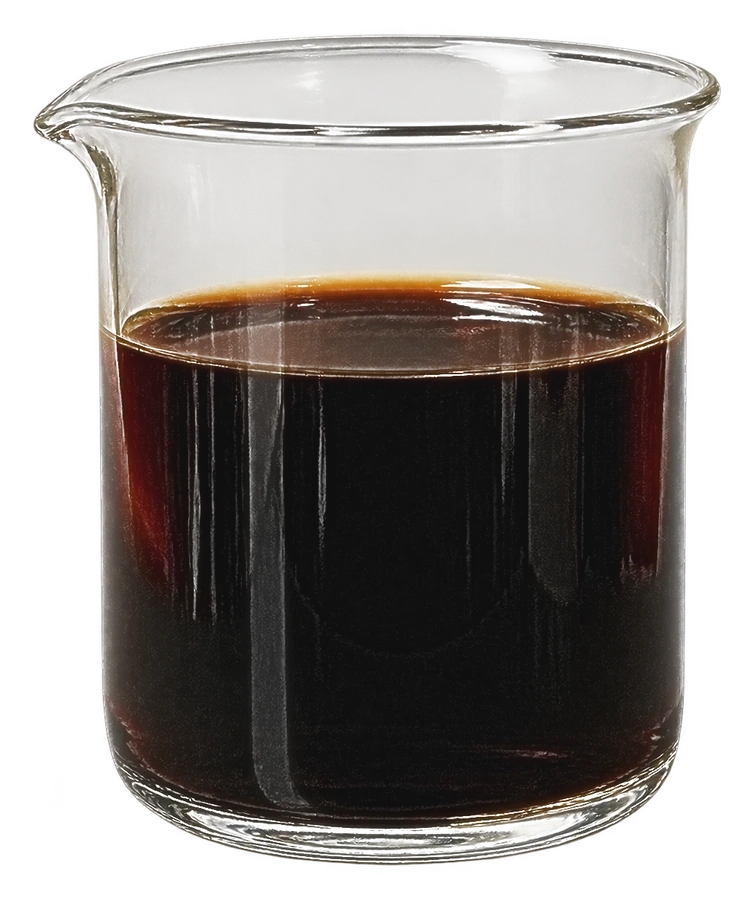
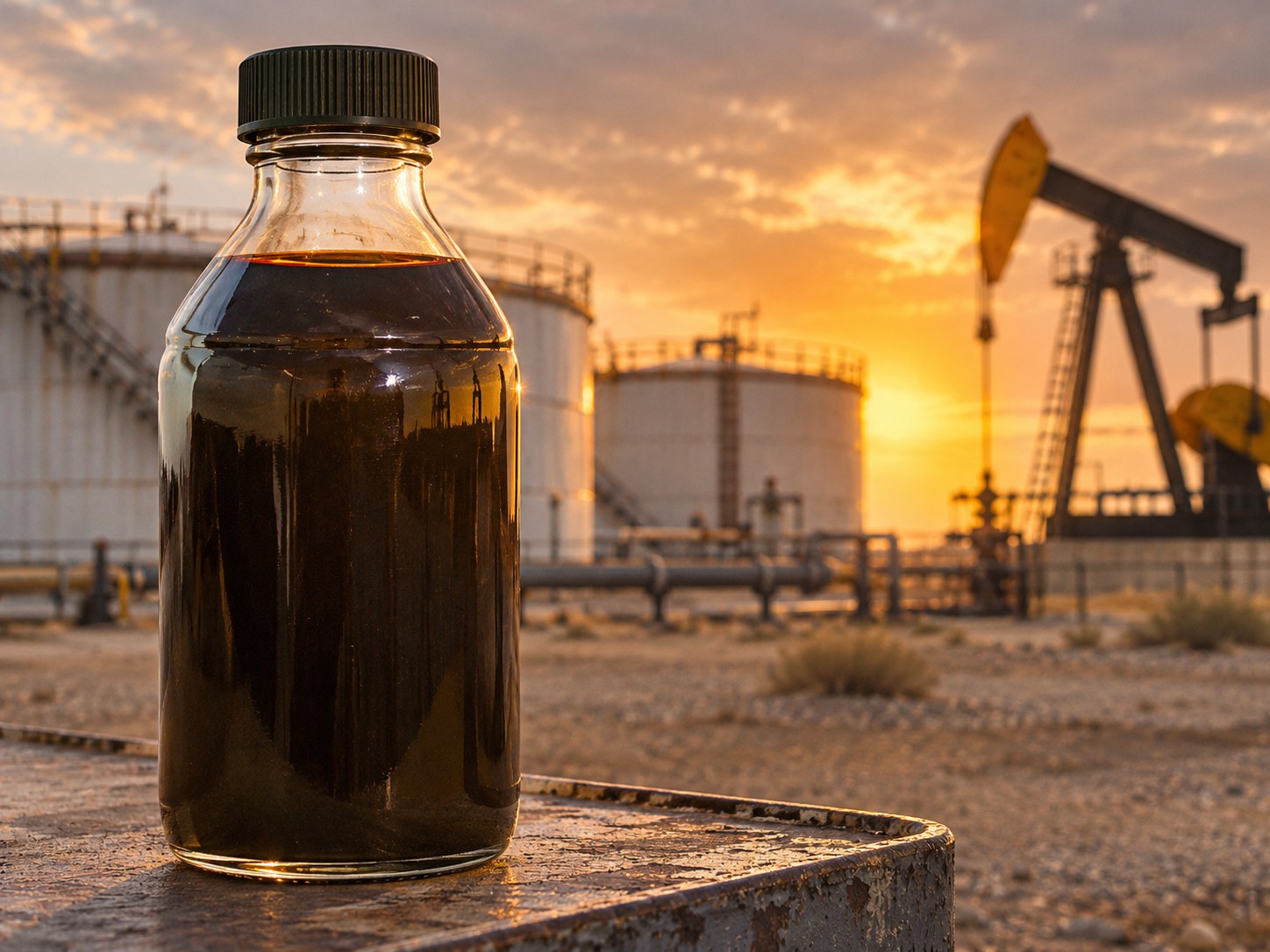
Image credits Laboratory glass samples are made from reference photos on Wikimedia Commons by Chemik10 (CC BY-SA 2.5) and a CC0 petroleum sample photo. Photograph: made from a reference photo by Glasbruch2007, CC BY-SA 3.0, via Wikimedia Commons.
Stir the liquid to feel how thick it is
Move the mouse or a finger across the liquid. Press and drag to stir harder. Keyboard: arrow keys stir, Space shakes.
Very thin Water-thin or thinner. Ripples run fast and ring for a long time.
- Stir speed
- 0 px/s
- Liquid movement
- 0%
- Settled after
- -
- Surface
- Still
The class is a guide for feel. The viscosity figure shown is the one in the specification data.
How it looks
Brown to black liquid
Where it is used
- Refinery feedstock for light products
- Blending component
- Source of middle distillates
Handling and safety
- Crude moves by pipeline to a terminal, is stored in floating-roof tanks and is loaded by loading arms or single point moorings onto tankers under inert gas. Independent inspectors sample under ASTM D4057 or API MPMS Chapter 8, measure water and sediment and quantity, and issue a quality and quantity certificate at loading.
- UN 1267 is the shipping name 'Petroleum crude oil'. Vapours are heavier than air and may carry hydrogen sulphide and benzene; static ignition is a risk during loading, so tanks and decks need gas monitoring and inerting.
Typical properties
- Appearance
- Brown to black liquid
- Density at 15 °C
- 829 to 831 kg/m³
- Typical sulphur
- About 0.7 % m/m (as reported at launch)
◉What it is
A named crude grade is a stream that is gathered, blended and delivered from a defined export point so that cargoes keep a consistent quality. Reports at the stream's 2018 launch (Reuters, Argaam and an ADNOC release, as shown in search results) gave Umm Lulu at about 38.7 to 39 degrees API and about 0.7 percent sulphur, light and low in sulphur. It is a blend from the Umm Lulu and Sarb fields processed and exported at Zirku Island. These were seen as search excerpts only; the numbers are marked low confidence. The density range in the properties is derived from the API gravity range with the standard conversion (relative density = 141.5 / (API + 131.5)); it is a calculation, not a published density. Pour point, flash point, viscosity and boiling range are not published in the sources checked, so they are left blank rather than guessed.
⬡What it is made of
A light, low-sulphur offshore crude rich in light middle distillates, according to ADNOC's launch description.
⚛The chemistry
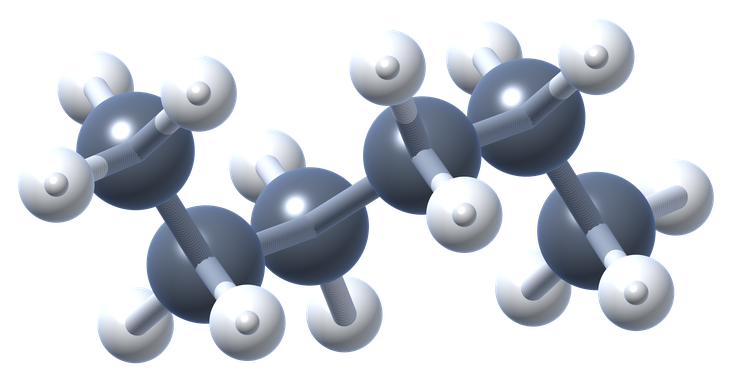
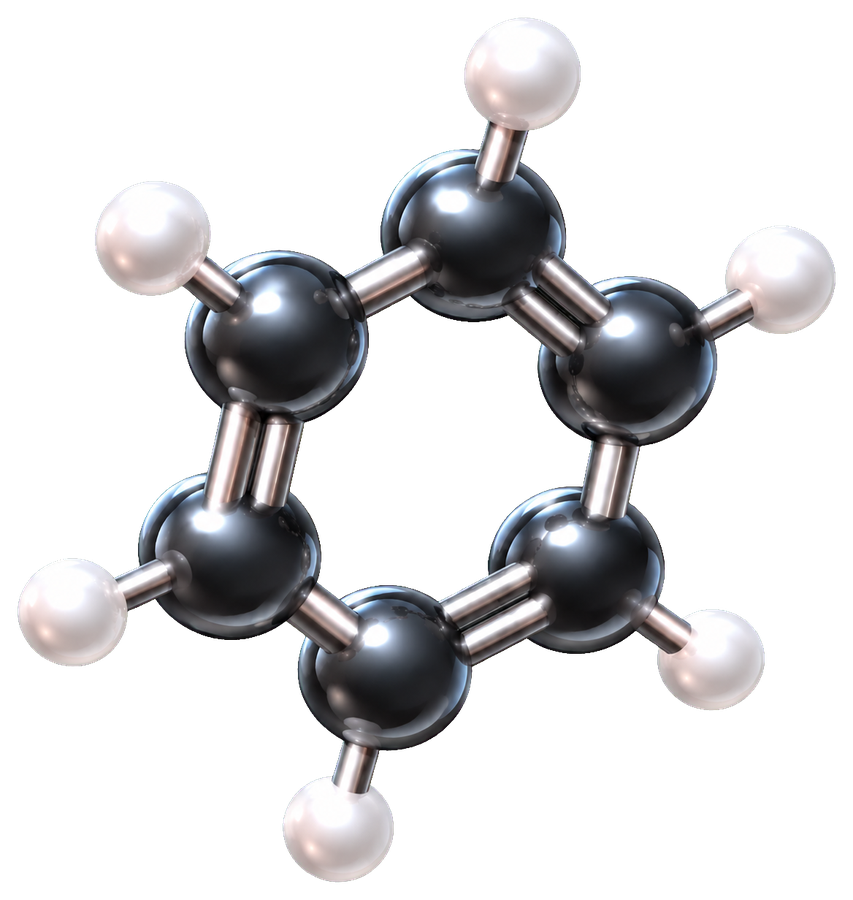
Crude oil is a continuous mixture of hydrocarbons: alkanes (paraffins), cycloalkanes (naphthenes) and aromatics such as benzene, plus heavy resins and asphaltenes. Sulphur sits mainly in thiols, sulphides and thiophenes and in dissolved hydrogen sulphide; the more of it a crude carries, the more hydrotreating a refinery needs to meet fuel sulphur limits. Lighter crudes contain a higher share of short, saturated chains that boil at low temperatures.
⚙How it is made
Produced from the Umm Lulu and Sarb fields by ADNOC Offshore, then processed, stored and exported at Zirku Island.
▶How it works
API gravity is 141.5 divided by relative density at 60 F, minus 131.5, so a higher figure means a lighter crude. In a refinery the crude is first split in an atmospheric distillation unit and the cuts are upgraded in hydrotreaters, reformers and crackers. Pricing terms are not published in the sources checked.
▣Storage, loading and inspection
Crude moves by pipeline to a terminal, is stored in floating-roof tanks and is loaded by loading arms or single point moorings onto tankers under inert gas. Independent inspectors sample under ASTM D4057 or API MPMS Chapter 8, measure water and sediment and quantity, and issue a quality and quantity certificate at loading.
★Why it matters in the Gulf
Initial output at launch was reported as 50,000 barrels per day; that is a launch-time figure, not a current one.
Key molecules
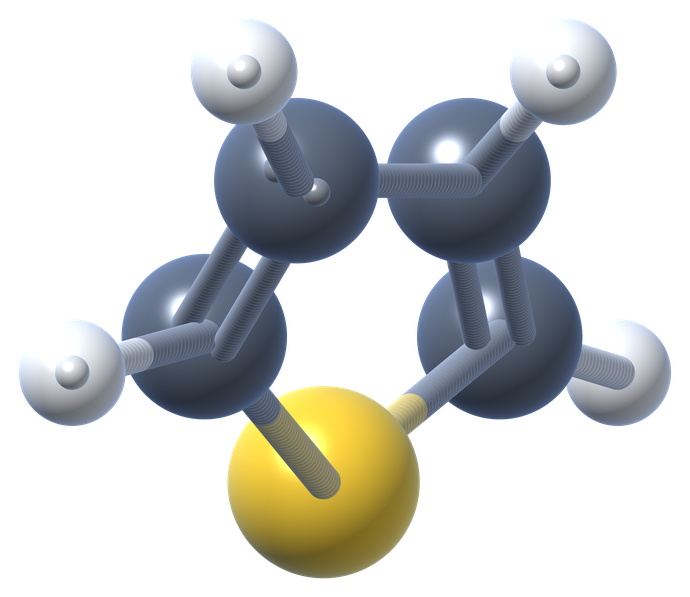
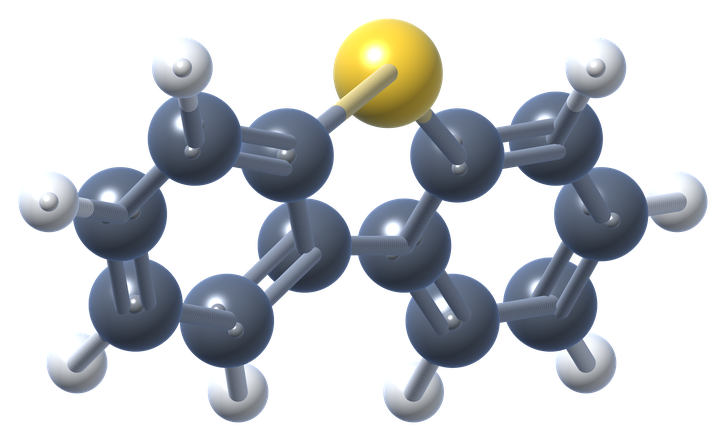
Standards and specifications
| ASTM D4052 / ISO 12185 | Density by digital density meter, used to derive API gravity for cargo documents. |
|---|---|
| ASTM D4294 / ISO 8754 | Sulphur content by X-ray fluorescence. |
| ASTM D4057 / API MPMS Ch. 8.1 | Manual sampling of petroleum liquids for cargo quality determination. |
| ASTM D5853 | Pour point of crude oils; relevant to waxy grades. |
| Producer sales specification | A grade is sold against the producer's own assay and quality specification, not one public standard. |
Hazards
UN 1267 is the shipping name 'Petroleum crude oil'. Vapours are heavier than air and may carry hydrogen sulphide and benzene; static ignition is a risk during loading, so tanks and decks need gas monitoring and inerting.
How it is traded
Units
Barrels (bbl); cargo sizes in thousand barrels; US dollars per barrel
Benchmarks
Not published in the sources checked
Typical cargo
VLCC about 2 million barrels, Suezmax about 1 million barrels, Aframax about 600,000 barrels (depends on terminal draft)
Incoterms
FOB at the loading terminal is common; CFR or CIF for delivered sales
Notes
Terms are not published in the sources checked.
Did you know
💡 Zirku Island is a UAE island in the Gulf about 140 km northwest of Abu Dhabi city.
Test yourself on Umm Lulu
About what sulphur content was reported for Umm Lulu at launch?
More in this group
- Arab Extra Light
- Arab Light
- Arab Medium
- Arab Heavy
- Murban
- Upper Zakum
- Das Blend
- Basrah Medium
- Basrah Heavy
- Kuwait Export Blend
- Qatar Marine
- Oman Blend
Sources
Written in PST's own words from the sources above. Confidence in the data: low. Typical values vary by origin and contract, so always read the specification in your own contract.