Light ends · EN 228 and ASTM D4814, or national standard
Gasoline RON 91 / 92 / 95 / 98
Motor gasoline (petrol) for cars. The Gulf and East Africa buy RON 91, 92, 95 and 98, in large cargoes, usually with a stated vapour pressure for the season.
- 13Parameters
- 13With a limit
- 13Off-spec causes explained
- Density720 to 775 kg/m³
- Sulphurmax 10 mg/kg
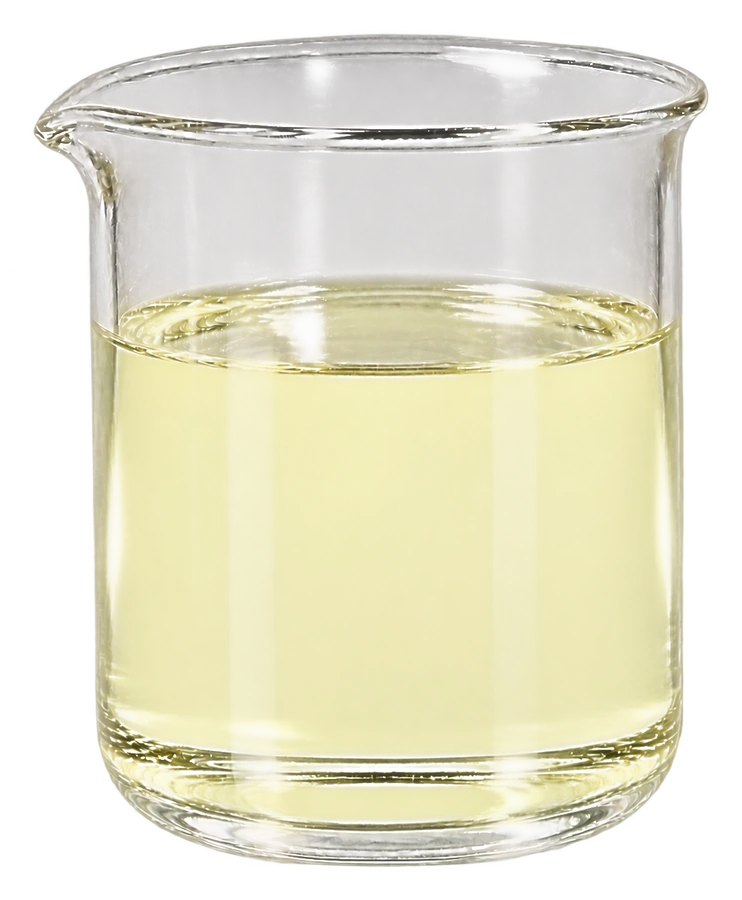
Image credits Laboratory glass samples are made from reference photos on Wikimedia Commons by Chemik10 (CC BY-SA 2.5) and a CC0 petroleum sample photo. Photograph: made from a reference photo by Mike Mozart, CC BY 2.0, via Wikimedia Commons.
Stir the liquid to feel how thick it is
Move the mouse or a finger across the liquid. Press and drag to stir harder. Keyboard: arrow keys stir, Space shakes.
Very thin Water-thin or thinner. Ripples run fast and ring for a long time.
- Stir speed
- 0 px/s
- Liquid movement
- 0%
- Settled after
- -
- Surface
- Still
The class is a guide for feel. The viscosity figure shown is the one in the specification data.
How it looks
Clear and bright, colourless to pale yellow. Some markets add dye to mark grades. Cloudiness means water, and a dark colour means contamination or age.
Where it is used
- Petrol for cars and motorbikes
- Blending base for ethanol blends (E5, E10)
Handling and safety
- State the RON grade, the season and the vapour pressure class in the contract.
- Gasoline is highly flammable: clean, vapour-controlled tanks and strict vapour handling.
- Check the national standard of the destination, which can differ from EN 228.
Typical properties
- Research octane number (RON)
- min 91
- Motor octane number (MON)
- min 82
- Sulphur
- max 10 mg/kg
- Density at 15 °C
- 720 to 775 kg/m³
- Vapour pressure (DVPE), summer
- 45 to 60 kPa
- Benzene
- max 1 % vol
- Aromatics
- max 35 % vol
- Olefins
- max 18 % vol
The specification
EN 228 and ASTM D4814, or national standard. Limits are the commonly published ones. Your contract and the current edition of the standard decide.
| Parameter | Limit | Test method | What it protects |
|---|---|---|---|
| Research octane number (RON) | min 91 | EN ISO 5164 / ASTM D2699 | Knock resistance. Set the limit to the grade you buy: 91, 92, 95 or 98. |
| Motor octane number (MON) | min 82 | EN ISO 5163 / ASTM D2700 | Knock resistance at high load. EN 228 requires at least 85 for RON 95 and 82.5 for RON 91; set the limit to the grade you buy. |
| Sulphur | max 10 mg/kg | EN ISO 20846 / ASTM D5453 | Emissions and catalyst life. Some markets still allow up to 50 or 150 mg/kg. |
| Density at 15 °C | 720 to 775 kg/m³ | EN ISO 12185 / ASTM D4052 | Energy per litre and loading by volume. |
| Vapour pressure (DVPE), summer | 45 to 60 kPa | EN 13016-1 / ASTM D5191 | Easy starting without vapour lock or evaporation loss. Winter grades run higher. |
| Benzene | max 1 % vol | EN 238 / ASTM D3606 | A health limit. |
| Aromatics | max 35 % vol | EN 14517 / ASTM D1319 | Emissions and deposits. |
| Olefins | max 18 % vol | EN 14517 / ASTM D1319 | Gum and deposits. |
| Oxygen content | max 3.7 % m/m | EN 1601 / ASTM D5599 | Limits ethanol and ether content. |
| Lead | max 5 mg/l | EN 237 | Catalyst poison. |
| Existent gum, washed | max 5 mg/100 ml | EN ISO 6246 / ASTM D381 | Deposits in the fuel system. |
| Copper strip corrosion (3 h, 50 °C) | max 1 class | EN ISO 2160 / ASTM D130 | Shows corrosive sulphur. |
| Oxidation stability | min 360 min | EN ISO 7536 / ASTM D525 | Storage life. |
Why a cargo goes off spec
When one parameter fails, it usually points to one cause. Here is what to look for.
Research octane number (RON)min 91
Too lowLow octane blend components.
Why it mattersKnock resistance. Set the limit to the grade you buy: 91, 92, 95 or 98.
Motor octane number (MON)min 82
Too lowLow octane blend components.
Why it mattersKnock resistance at high load. EN 228 requires at least 85 for RON 95 and 82.5 for RON 91; set the limit to the grade you buy.
Sulphurmax 10 mg/kg
Too highPoor desulphurisation.
Why it mattersEmissions and catalyst life. Some markets still allow up to 50 or 150 mg/kg.
Density at 15 °C720 to 775 kg/m³
Too highHeavy aromatics.
Too lowToo much light ends.
Why it mattersEnergy per litre and loading by volume.
Vapour pressure (DVPE), summer45 to 60 kPa
Too highToo much butane.
Too lowToo little butane.
Why it mattersEasy starting without vapour lock or evaporation loss. Winter grades run higher.
Benzenemax 1 % vol
Too highReformate rich blend.
Why it mattersA health limit.
Aromaticsmax 35 % vol
Too highHeavy reformate.
Why it mattersEmissions and deposits.
Olefinsmax 18 % vol
Too highCracked gasoline.
Why it mattersGum and deposits.
Oxygen contentmax 3.7 % m/m
Too highToo much ethanol or MTBE.
Why it mattersLimits ethanol and ether content.
Leadmax 5 mg/l
Too highContamination with leaded product.
Why it mattersCatalyst poison.
Existent gum, washedmax 5 mg/100 ml
Too highOxidation or cracked stock.
Why it mattersDeposits in the fuel system.
Copper strip corrosion (3 h, 50 °C)max 1 class
Too highActive sulphur compounds.
Why it mattersShows corrosive sulphur.
Oxidation stabilitymin 360 min
Too lowCracked components or age.
Why it mattersStorage life.
Check your own certificate
Type the values, paste the certificate text, or upload a PDF or photo. The checker names every parameter that is off spec and the usual reason.
| Parameter | Limit | Your value | Result |
|---|---|---|---|
| Research octane number (RON)EN ISO 5164 / ASTM D2699 | min 91 | enter a value | |
| Motor octane number (MON)EN ISO 5163 / ASTM D2700 | min 82 | enter a value | |
| SulphurEN ISO 20846 / ASTM D5453 | max 10 mg/kg | enter a value | |
| Density at 15 °CEN ISO 12185 / ASTM D4052 | 720 to 775 kg/m³ | enter a value | |
| Vapour pressure (DVPE), summerEN 13016-1 / ASTM D5191 | 45 to 60 kPa | enter a value | |
| BenzeneEN 238 / ASTM D3606 | max 1 % vol | enter a value | |
| AromaticsEN 14517 / ASTM D1319 | max 35 % vol | enter a value | |
| OlefinsEN 14517 / ASTM D1319 | max 18 % vol | enter a value | |
| Oxygen contentEN 1601 / ASTM D5599 | max 3.7 % m/m | enter a value | |
| LeadEN 237 | max 5 mg/l | enter a value | |
| Existent gum, washedEN ISO 6246 / ASTM D381 | max 5 mg/100 ml | enter a value | |
| Copper strip corrosion (3 h, 50 °C)EN ISO 2160 / ASTM D130 | max 1 class | enter a value | |
| Oxidation stabilityEN ISO 7536 / ASTM D525 | min 360 min | enter a value |
Sources
Indicative information for professional users. Not a substitute for the standard, a contract or an independent inspector.