Light distillates
Heavy naphtha
Heavy naphtha is the C7 to C12 cut above light naphtha, rich in naphthenes and aromatic precursors. It is the main feed for catalytic reformers.
← Todos los productosTambién llamado: HSR, Heavy straight-run naphtha, Reformer feed naphtha
- Punto de inflamaciónRoughly 20 to 40 C (varies)
- Densidad720 to 770 kg/m³
- AzufreReduced to below 1 ppm before reforming
- Rango de ebullición90 to 200 °C
- PeligroUN1268, Class 3, packing group II or III
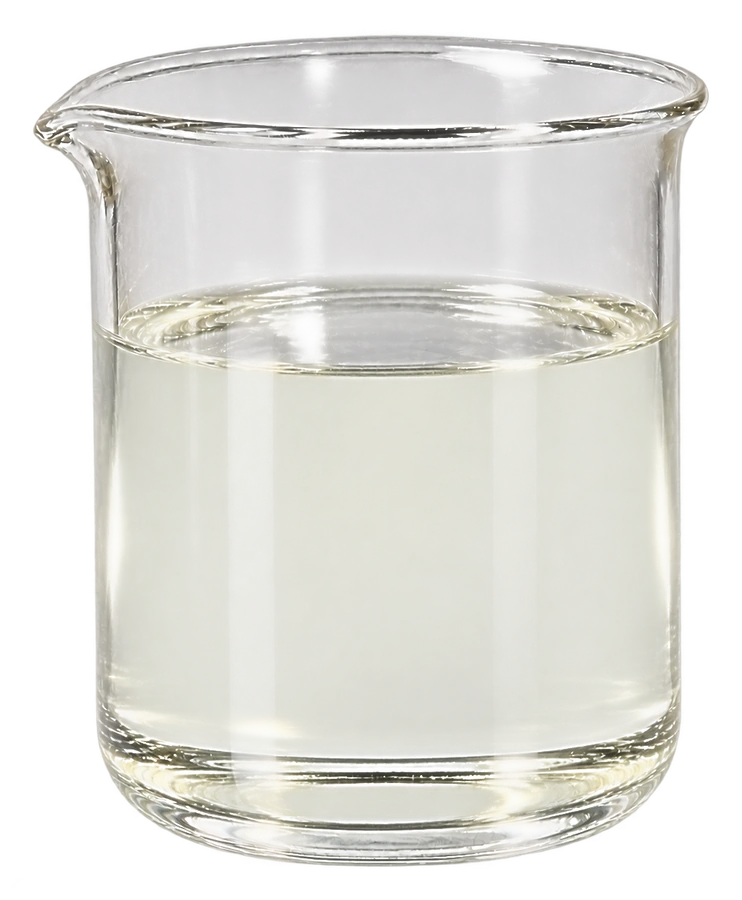
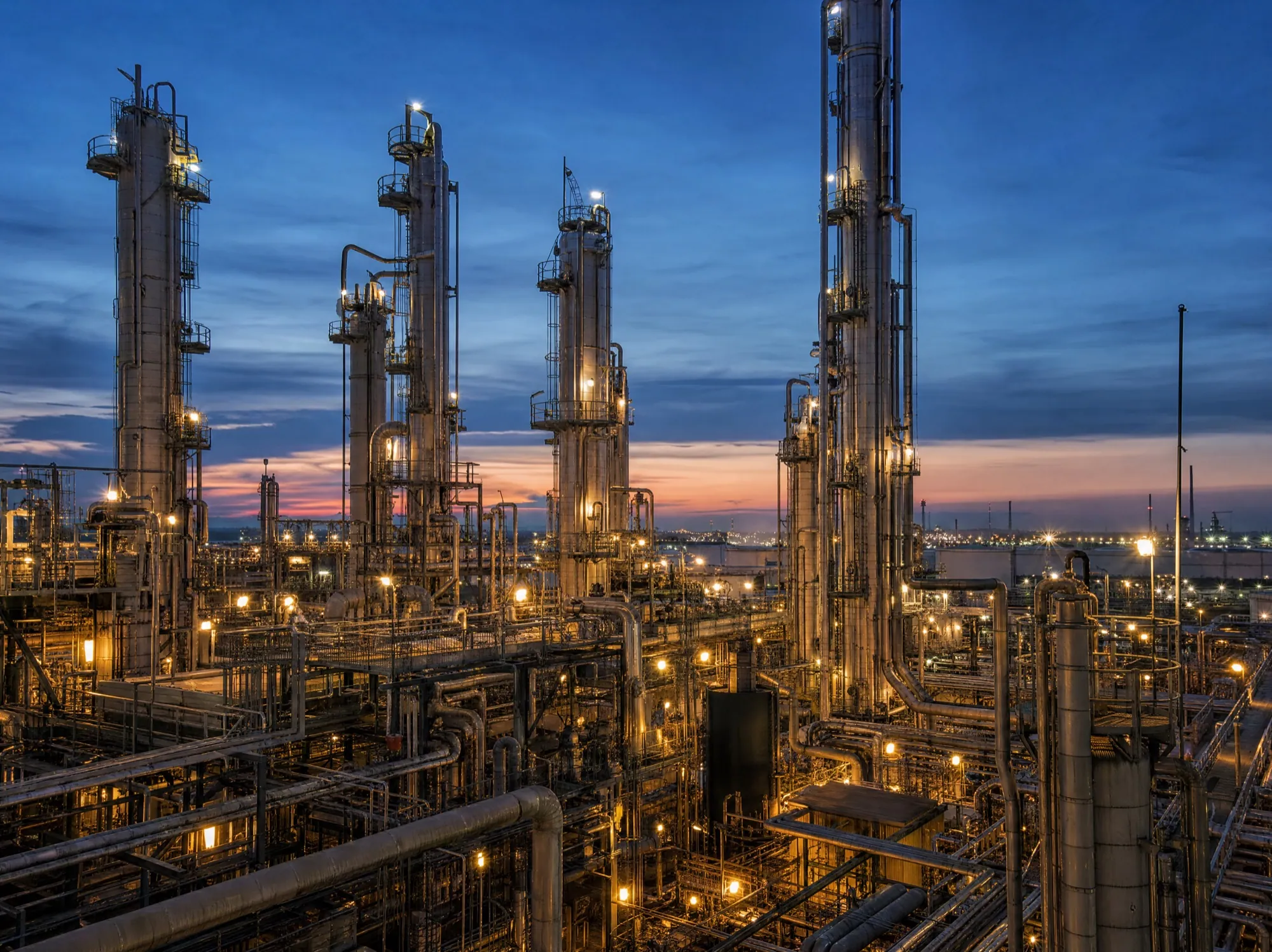
Créditos de las imágenes Las muestras en vidrio de laboratorio se elaboran a partir de fotos de referencia de Wikimedia Commons de Chemik10 (CC BY-SA 2.5) y una foto de muestra de petróleo CC0.
Agite el líquido para sentir su espesor
Mueva el ratón o un dedo sobre el líquido. Mantenga pulsado y arrastre para agitar con más fuerza. Teclado: las flechas agitan, la barra espaciadora sacude.
Muy fino Fino como el agua o más. Las ondas corren rápido y duran mucho.
- Velocidad de agitación
- 0 px/s
- Movimiento del líquido
- 0%
- Se calma tras
- -
- Superficie
- Quieto
La clase es solo una guía de sensación. La viscosidad indicada es la de los datos de la especificación.
Aspecto
Colourless to pale liquid
Dónde se utiliza
- Catalytic reformer feed
- Aromatics complex feed
- Cracker feed
- Solvent
Manipulación y seguridad
- Stored in floating roof tanks; sampling per ASTM D4057.
- Flammable liquid; vapours heavier than air.
Propiedades típicas
- Aspecto
- Colourless to pale liquid
- Densidad a 15 °C
- 720 to 770 kg/m³
- Rango de ebullición
- 90 to 200 °C
- Punto de inflamación
- Roughly 20 to 40 C (varies)
- Viscosidad
- Low
- Punto de fluidez
- Not applicable
- Azufre típico
- Reduced to below 1 ppm before reforming
◉What it is
Heavy naphtha comes from the atmospheric crude unit or a condensate splitter at a higher boiling range than light naphtha. It contains molecules with more carbon atoms, including cyclic naphthenes that can be converted into aromatics. In a refinery it is hydrotreated to remove sulphur and then sent to a catalytic reformer to raise its octane. Petrochemical plants may also use it as cracker or aromatics feed. It is flammable but less volatile than light naphtha.
⬡What it is made of
C7 to C12 paraffins, naphthenes and aromatics, boiling about 90 to 200 C per one reference.
⚛La química
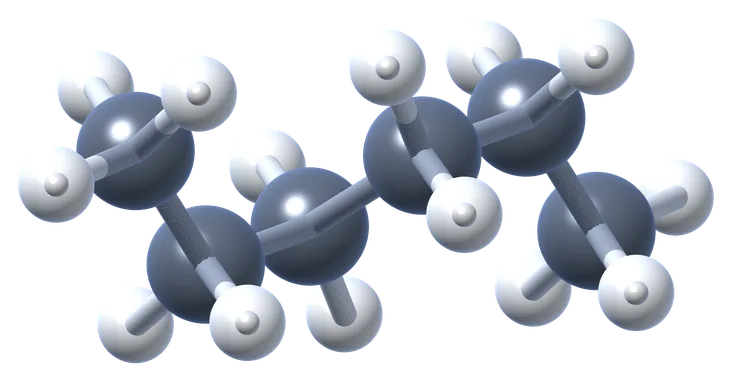
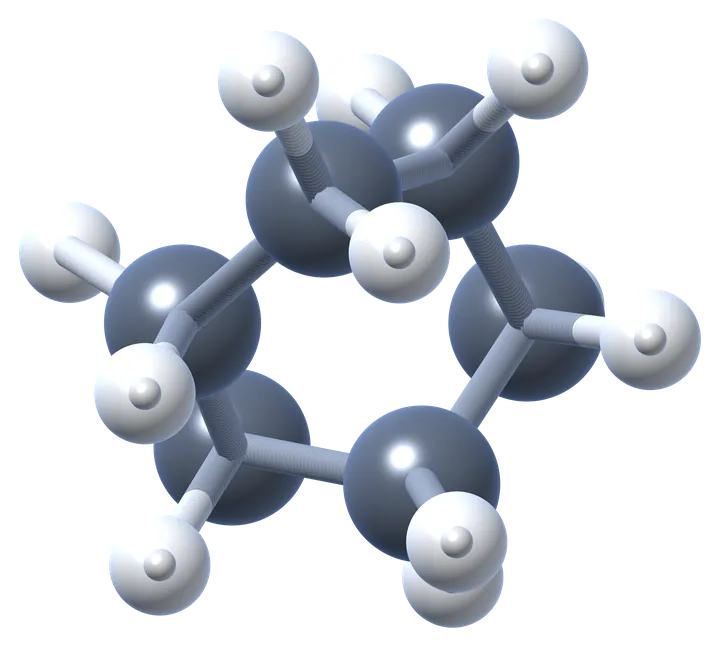
Naphthenes such as methylcyclohexane (C7H14) can be dehydrogenated to toluene (C7H8) in the reformer, which raises octane. Sulphur compounds poison reforming catalyst, so they are removed first by hydrotreating.
⚙How it is made
Atmospheric distillation of crude or condensate, followed by hydrotreating.
▶How it works
Heavy naphtha is converted in a catalytic reformer to reformate, a high-octane blend component, and to hydrogen.
▣Storage, loading and inspection
Stored in floating roof tanks; sampling per ASTM D4057.
★Why it matters in the Gulf
Gulf refineries in Kuwait, Saudi Arabia and the UAE produce heavy naphtha for their own reformers and export surplus to Asia. Verified volumes were not retrieved.
Moléculas clave
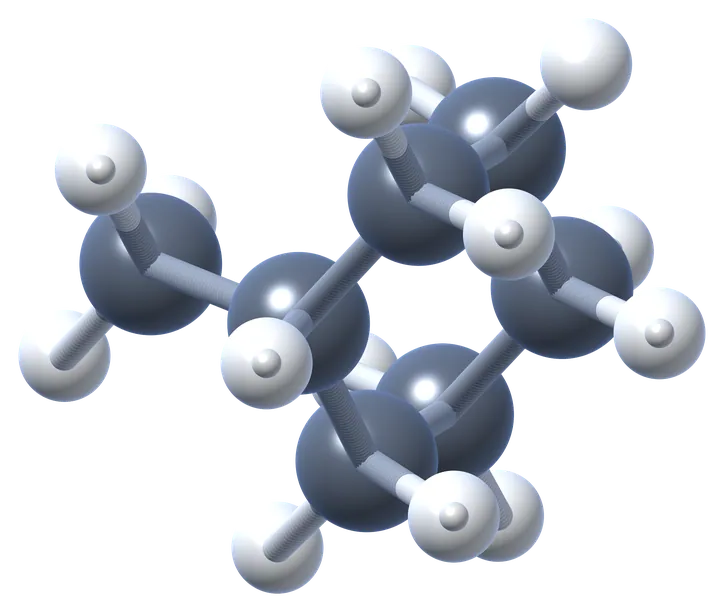
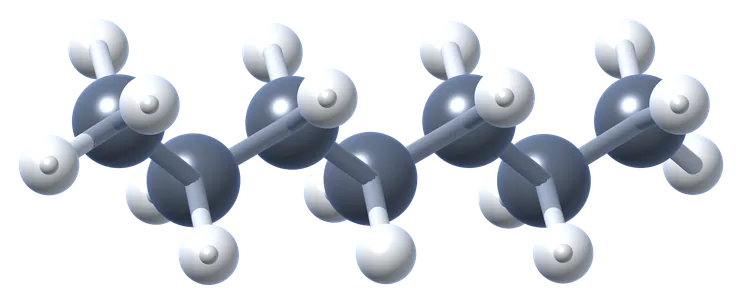
Normas y especificaciones
| ASTM D86 | Distillation. |
|---|---|
| ASTM D4052 | Density. |
Peligros
Flammable liquid; vapours heavier than air.
Cómo se comercializa
Units
Metric tonnes
Benchmarks
Platts naphtha assessments
Typical cargo
MR or LR tankers
Incoterms
FOB, CFR
Notes
Contracts specify paraffin, naphthene and aromatic (PONA) content and sulphur.
Refinerías que lo producen: nuestras sugerencias
54 refinerías de la lista producen este producto, 24 de ellas en el Golfo, Irán e Irak. Ordenamos primero las plantas del Golfo, después las que están en operación y luego por capacidad.
- 1Ruwais Refinery
 United Arab Emirates · 922,000 bpdLargest capacity among Gulf-first matchesGulf locationOperatingDeep conversionAcceso de exportación
- 2Al-Zour Refinery
 Kuwait · 615,000 bpdGulf locationOperatingAcceso de exportación
- 3Ras Tanura Refinery
 Saudi Arabia · 550,000 bpdGulf locationOperatingDeep conversionAcceso de exportación
- 4Petro Rabigh Refinery Saudi Arabia · 400,000 bpdGulf locationOperatingAcceso de exportación
- 5Bapco Sitra Refinery
 Bahrain · 380,000 bpdGulf locationOperatingAcceso de exportación
- 6Laffan Refinery
 Qatar · 306,600 bpdGulf locationOperatingAcceso de exportación




Terminales que lo manipulan
- Ras Tanura terminal Saudi Arabia
- Vopak Horizon Fujairah United Arab Emirates
- Bapco Sitra tank farm and marine terminal Bahrain
- Yanbu oil terminals (Red Sea) Saudi Arabia
- VTTI Fujairah United Arab Emirates
- Fujairah Oil Terminal (FOT) United Arab Emirates

¿Sabía que…?
💡 Reforming makes hydrogen as a by-product.
💡 Heavy naphtha boils roughly 90 to 200 C (Wikipedia).
Póngase a prueba sobre Heavy naphtha
Heavy naphtha is mainly fed to:
Más de este grupo
- Light naphtha
- Gasoline RON 91
- Gasoline RON 95
- Gasoline RON 98
- Reformate
- Alkylate
- Pyrolysis gasoline
- Aviation gasoline
Fuentes
Redactado con palabras propias de PST a partir de las fuentes anteriores. Fiabilidad de los datos: medium. Los valores típicos varían según el origen y el contrato, por lo que debe leer siempre la especificación de su propio contrato.