Solvents and chemicals
Hexane (n-Hexane, Commercial Hexane)
Hexane is a light, non-polar hydrocarbon solvent boiling around 69 C. It is the standard solvent for extracting edible oils from seeds.
← Todos los productosTambién llamado: n-hexane, Hexanes, Food-grade hexane, Extraction solvent
- Punto de inflamaciónAround -26 C
- Densidad655 to 670 kg/m³
- ViscosidadAbout 0.3 mPa.s at 20 C
- Flujo en fríoBelow -90 C
- AzufreBelow 1 ppm for food grade
- Rango de ebullición64 to 70 °C
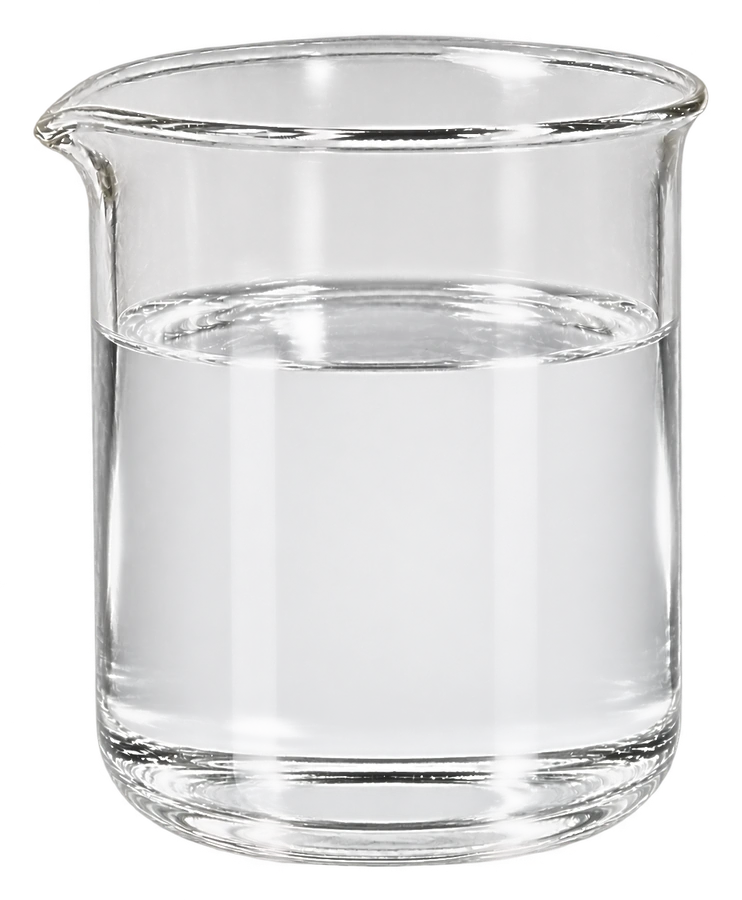
Créditos de las imágenes Las muestras en vidrio de laboratorio se elaboran a partir de fotos de referencia de Wikimedia Commons de Chemik10 (CC BY-SA 2.5) y una foto de muestra de petróleo CC0.
Agite el líquido para sentir su espesor
Mueva el ratón o un dedo sobre el líquido. Mantenga pulsado y arrastre para agitar con más fuerza. Teclado: las flechas agitan, la barra espaciadora sacude.
Muy fino Fino como el agua o más. Las ondas corren rápido y duran mucho.
Viscosidad típica según los datosAbout 0.3 mPa.s at 20 C
- Velocidad de agitación
- 0 px/s
- Movimiento del líquido
- 0%
- Se calma tras
- -
- Superficie
- Quieto
La clase es solo una guía de sensación. La viscosidad indicada es la de los datos de la especificación.
Aspecto
Colourless, clear, gasoline-like odour
Dónde se utiliza
- Edible oil extraction
- Adhesive and glue solvent
- Degreasing
- Laboratory solvent
Manipulación y seguridad
- Store in closed, grounded steel or lined tanks with nitrogen blanketing or vapour recovery; no ignition sources; use flameproof equipment and earthing during loading to limit static. Sample under closed conditions (ASTM D4057 or D5842), test purity, colour, water and distillation. Inspectors check tank cleanliness and prior cargo history before loading.
- Highly flammable; vapour heavier than air; neurotoxic; aquatic toxicity.
Propiedades típicas
- Aspecto
- Colourless, clear, gasoline-like odour
- Densidad a 15 °C
- 655 to 670 kg/m³
- Rango de ebullición
- 64 to 70 °C
- Punto de inflamación
- Around -26 C
- Viscosidad
- About 0.3 mPa.s at 20 C
- Punto de fluidez
- Below -90 C
- Azufre típico
- Below 1 ppm for food grade
◉What it is
Hexane is a six-carbon alkane, C6H14. The commercial product is a mixture of isomers with about 50 percent n-hexane (Wikipedia), obtained from the 65 to 70 C fraction of crude oil or naphtha. It is cheap, non-polar and nearly inert, so it is widely used to extract canola, soybean and sunflower oil from seeds. n-Hexane is also neurotoxic: the body converts it to 2,5-hexanedione, which damages nerves (Wikipedia). Workplace exposure limits are strict.
⬡What it is made of
C6 isomers: n-hexane, 2- and 3-methylpentane, methylcyclopentane.
⚛La química
Hexane is a saturated hydrocarbon with only C-C and C-H bonds, so it is non-polar, inert and dissolves fats and oils through weak dispersion forces. Its low boiling point lets it be removed from oil by gentle heating.
⚙How it is made
Separated by fractionation of straight-run naphtha or reformate raffinate, then hydrotreated and sometimes treated for aromatics (benzene) removal.
▶How it works
As solvent it dissolves oil but not water. After extraction it is distilled off and reused.
▣Storage, loading and inspection
Store in closed, grounded steel or lined tanks with nitrogen blanketing or vapour recovery; no ignition sources; use flameproof equipment and earthing during loading to limit static. Sample under closed conditions (ASTM D4057 or D5842), test purity, colour, water and distillation. Inspectors check tank cleanliness and prior cargo history before loading.
★Why it matters in the Gulf
Hexane is used in edible oil extraction. Regional demand and supply details are not stated.
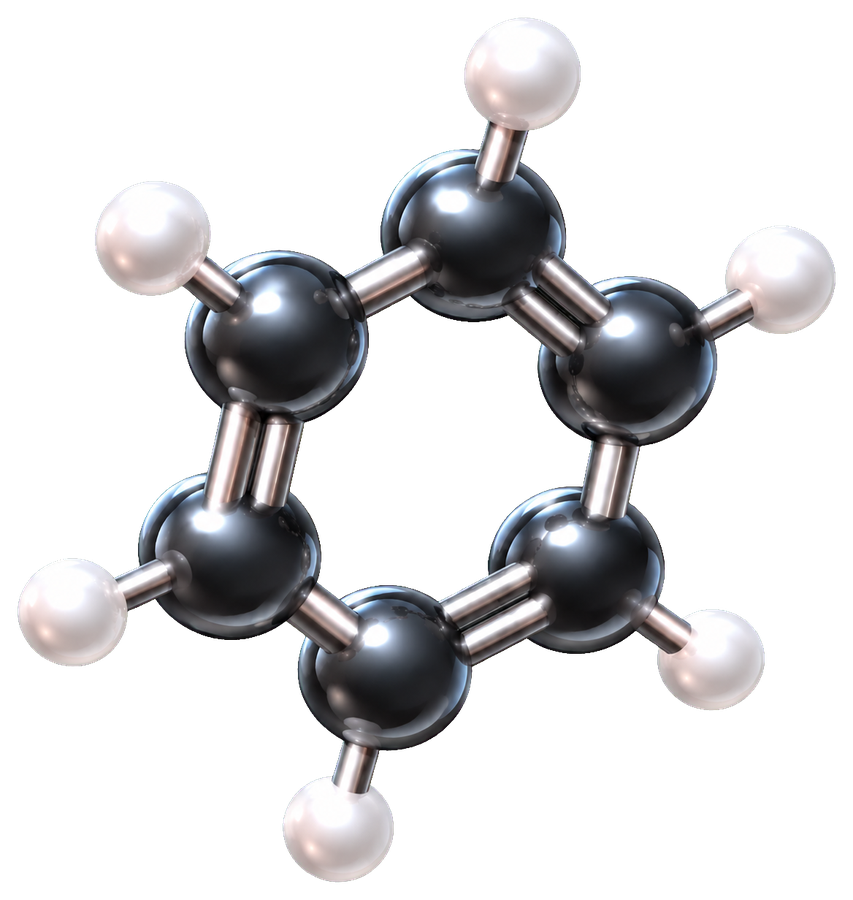
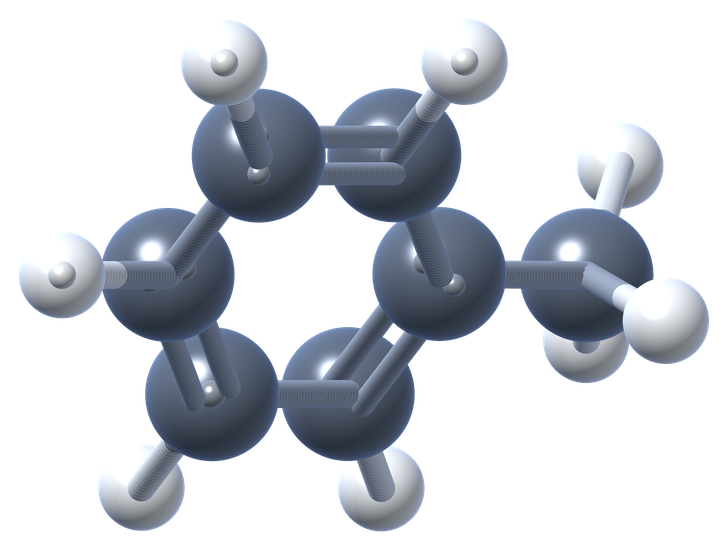
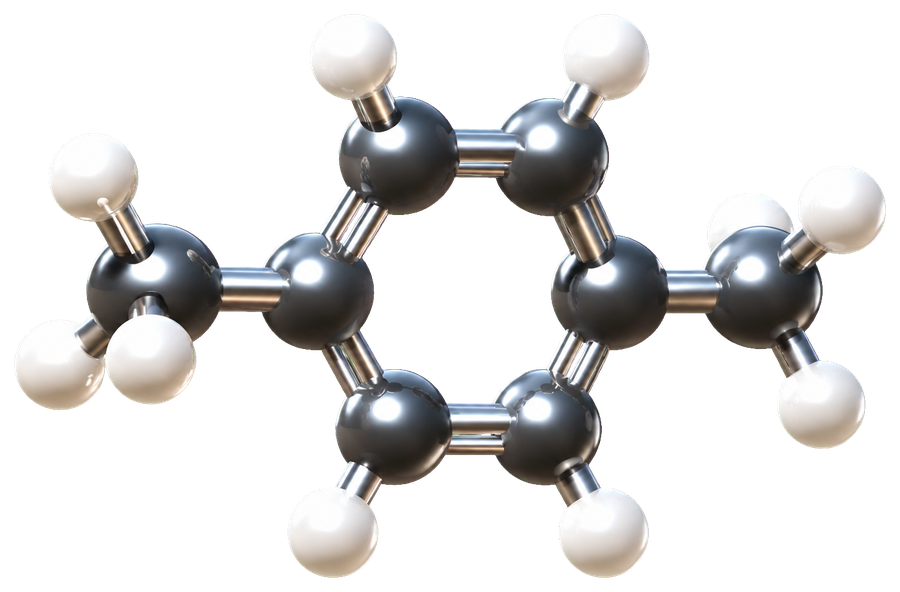
Moléculas clave
Normas y especificaciones
| ASTM D1836 | Specification for commercial hexanes. |
|---|---|
| EU Directive 2009/32/EC | Extraction solvents used in foodstuffs. |
Peligros
Highly flammable; vapour heavier than air; neurotoxic; aquatic toxicity.
Cómo se comercializa
Units
Metric tonnes; ISO tanks; drums
Benchmarks
Contract; linked to naphtha
Typical cargo
ISO tank, parcel tanker
Incoterms
FOB, CFR, CIF; DAP for packaged or road deliveries
Notes
Food-grade specification with benzene limits.
Refinerías que lo producen: nuestras sugerencias
7 refinerías de la lista producen este producto, 3 de ellas en el Golfo, Irán e Irak. Ordenamos primero las plantas del Golfo, después las que están en operación y luego por capacidad.
- 1Ruwais Refinery
 United Arab Emirates · 922,000 bpdLargest capacity among Gulf-first matchesGulf locationOperatingDeep conversionAcceso de exportación
- 2Khangiran Gas Refinery (Shahid Hasheminejad)
 Iran · Not publishedGulf locationOperatingAcceso de exportación
- 3Sepahan Oil Company Iran · Not publishedGulf locationOperatingAcceso de exportación
- 4Kirishi Refinery (KINEF)
 Russia · 402,000 bpdOperatingDeep conversion
- 5Attock Refinery Limited (Morgah)
 Pakistan · 53,400 bpdOperatingAcceso de exportación
- 6Yaroslavl Mendeleev Experimental Oil and Lubricants Plant Russia · 9,600 bpdOperating

¿Sabía que…?
💡 The commercial product boils at 65 to 70 C and is only about half n-hexane (Wikipedia).
💡 Hexanes are used to extract cooking oils such as soybean and canola oil from seeds (Wikipedia).
Póngase a prueba sobre Hexane (n-Hexane, Commercial Hexane)
Boiling point?
Más de este grupo
- White Spirit
- Benzene
- Toluene
- Mixed Xylene
- Para-Xylene (PX)
- MTBE (Methyl Tert-Butyl Ether)
- Ethylene (Refinery and Petrochemical Stream)
- Propylene (Refinery and Petrochemical Stream)
Fuentes
Redactado con palabras propias de PST a partir de las fuentes anteriores. Fiabilidad de los datos: medium. Los valores típicos varían según el origen y el contrato, por lo que debe leer siempre la especificación de su propio contrato.