Crude desalting
Refinery process
Desalting washes crude oil with water and uses an electric field to pull salty water out before the oil is heated and distilled. It protects downstream equipment from corrosion, fouling and catalyst poisoning.
- خوراک
- Raw crude oil containing emulsified brine, salts and sediment
- تولید میکند
- Desalted crude, Brine and wash water effluent (to water treatment)
- دما
- About 100 to 150
- کاتالیست
- None (physical process; demulsifier chemicals are sometimes added)
جریان فرایند
کارکرد
Crude oil arrives carrying small droplets of brine, mostly sodium, calcium and magnesium chlorides, plus some sediment. If these salts reach the furnaces and distillation tower they form corrosive hydrochloric acid and foul heat exchangers, and metals can poison later catalysts. The desalter mixes the warmed crude with fresh wash water so the salt dissolves into the water phase. The mixture then enters a settling vessel where electrodes create an electric field that makes the water droplets stick together and sink. The salty water is drawn off from the bottom and the cleaner crude leaves from the top toward the preheat train and the crude unit. Heavy or emulsion-prone crudes are often treated in two stages in series.
گامبهگام
- Raw crude is pumped from storage and warmed in heat exchangers
- Fresh wash water, roughly 4 to 10 percent of the crude, is injected
- A mixing valve blends water and oil so salt dissolves into the water droplets
- The emulsion enters the desalter vessel and passes through a high-voltage electric field
- Water droplets coalesce and settle to the bottom as brine
- Brine is withdrawn and sent to effluent treatment
- Desalted crude leaves the top and goes on to the crude heater
شیمی
There is no main chemical reaction by design; the job is physical. Salts such as magnesium chloride and calcium chloride can hydrolyse with traces of water at furnace temperatures to give hydrogen chloride, which turns into hydrochloric acid when it condenses in the overhead system. That corrosion route is the main reason salt is removed. The electric field polarises the water droplets, so they attract each other, merge into larger drops and settle faster.
واکنشها، اتم به اتم ترسیمشده
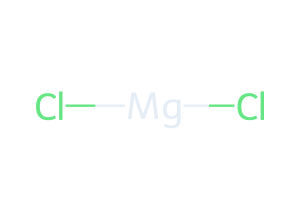
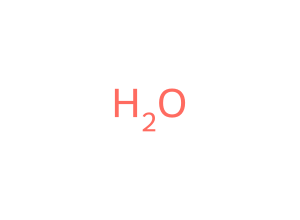
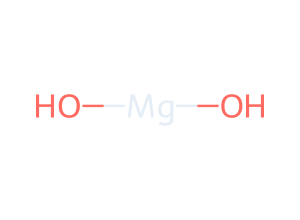
 MgCl2 + 2H2O -> Mg(OH)2 + 2HClShown to explain why residual salt is harmful, not a step in the unit.
تجهیزات اصلی
- Heat exchangers
- Mixing valve
- Electrostatic desalter vessel
- Desalter transformer and electrodes
- Brine settling and effluent system
ایمنی
Hot hydrocarbon at pressure is flammable, and the electrical grid in the vessel is a shock and ignition hazard if the oil level drops. Effluent water carries oil and must be treated.
خودتان را بسنجید
Why is salt removed from crude before the furnace?
مرتبط
منابع
با بیان خود PST و بر پایهٔ منابع بالا نوشته شده است. اطمینان از داده: high. واحدهای واقعی از نظر طراحی و شرایط بهرهبرداری تفاوت دارند.