Ammonia and urea (fertiliser)
Petrochemical process
Natural gas supplies the hydrogen that is combined with nitrogen from air to make ammonia. Ammonia and carbon dioxide are then reacted to give urea, the most widely used nitrogen fertiliser.
- Carica
- Natural gas, steam, air; CO2 from the reformer for urea
- Produce
- Ammonia, Urea, CO2 (by-product)
- Temperatura
- About 400 to 550 (ammonia loop); about 160 to 190 (urea)
- Pressione
- About 150 to 250 (ammonia loop); urea at high pressure
- Catalizzatore
- Promoted iron (ammonia)
Schema di processo
Cosa fa
Natural gas is desulfurised and reformed with steam and air to make hydrogen and nitrogen, and the gas is purified. In the Haber-Bosch loop, nitrogen and hydrogen react over an iron catalyst at about 150 to 250 bar and 400 to 550 C. Only about 15 percent converts per pass, so the unreacted gas is recycled and ammonia is condensed out. Urea is made by the Bosch-Meiser process: ammonia and CO2 form ammonium carbamate, which dehydrates to urea and water. The urea melt is concentrated and granulated or prilled for shipping.
Passo dopo passo
- Desulfurise natural gas
- Steam reforming and air addition for syngas
- Shift CO to CO2 and remove CO2
- Methanate residual carbon oxides
- Compress and react in the ammonia loop
- Condense and store ammonia
- React ammonia with CO2 to urea
- Granulate or prill urea
La chimica
Haber-Bosch combines N2 and H2 into NH3. In urea synthesis, carbamate forms quickly and exothermically and then slowly decomposes into urea and water.
Reazioni, illustrate atomo per atomo
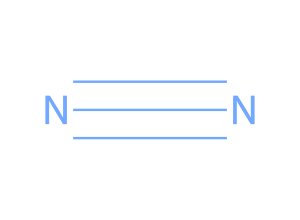
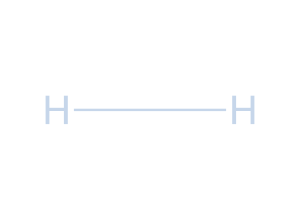
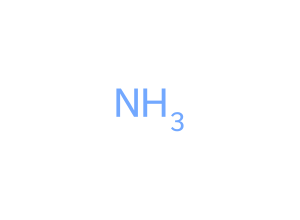 N2 + 3 H2 -> 2 NH3Haber-Bosch loop.
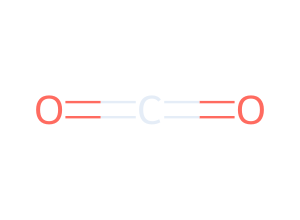
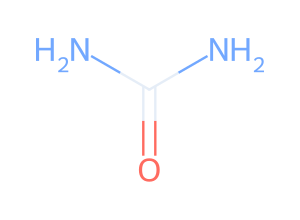
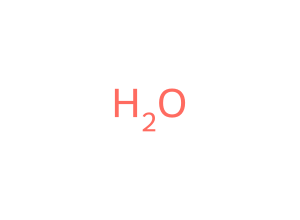 2 NH3 + CO2 -> CO(NH2)2 + H2OVia ammonium carbamate (Bosch-Meiser).
Apparecchiature principali
- Primary reformer
- Shift converters
- Ammonia converter
- Syngas compressor
- Urea reactor
- Granulation tower
Sicurezza
Ammonia is toxic and is stored as pressurised or refrigerated liquid, and ammonium nitrate is a separate explosion hazard.
Nel Golfo
QAFCO at Mesaieed (founded 1969, first plant 1973, owned 75 percent by Industries Qatar and 25 percent by Yara) has 2.0 million tonnes of ammonia and 2.8 million tonnes of urea capacity and is described as the world's largest single-site urea producer. GPIC in Bahrain began urea granulation in 1998, and Ruwais hosts the Fertil fertiliser plant.
Si metta alla prova
Roughly what is the single-pass conversion in the ammonia loop?
Correlati
- Methanol production from natural gasPetrochemical process
- Ras Laffan and Mesaieed (QAPCO, Q-Chem, Qatofin, Qafco, Pearl GTL, Oryx GTL)Complex or hub
- Bahrain (GPIC, Bapco)Complex or hub
- Ruwais (Borouge, Borouge 4, Fertiglobe, ADNOC Ruwais)Complex or hub
Fonti
Redatto con parole proprie di PST a partire dalle fonti sopra. Affidabilità dei dati: high. Gli impianti reali differiscono per progetto e condizioni di esercizio.