Light distillates
Heavy naphtha
Heavy naphtha is the C7 to C12 cut above light naphtha, rich in naphthenes and aromatic precursors. It is the main feed for catalytic reformers.
← Tutti i prodottiDetto anche: HSR, Heavy straight-run naphtha, Reformer feed naphtha
- Punto di infiammabilitàRoughly 20 to 40 C (varies)
- Densità720 to 770 kg/m³
- ZolfoReduced to below 1 ppm before reforming
- Intervallo di ebollizione90 to 200 °C
- PericoloUN1268, Class 3, packing group II or III
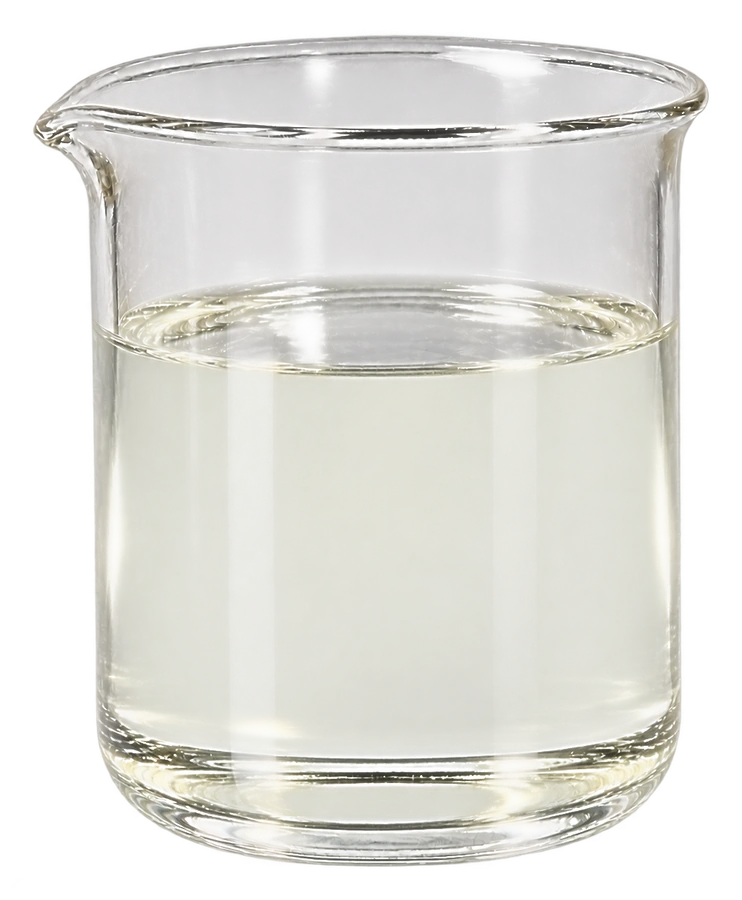
Crediti delle immagini I campioni in vetro da laboratorio sono realizzati da foto di riferimento su Wikimedia Commons di Chemik10 (CC BY-SA 2.5) e una foto di un campione di petrolio CC0.
Agitate il liquido per sentire quanto è denso
Muovete il mouse o un dito sul liquido. Premete e trascinate per agitare più forte. Tastiera: le frecce agitano, Spazio scuote.
Molto fluido Sottile come l'acqua o più. Le onde corrono veloci e durano a lungo.
- Velocità di agitazione
- 0 px/s
- Movimento del liquido
- 0%
- Si calma dopo
- -
- Superficie
- Fermo
La classe è solo una guida alla sensazione. Il valore di viscosità mostrato è quello dei dati di specifica.
Aspetto
Colourless to pale liquid
Dove si usa
- Catalytic reformer feed
- Aromatics complex feed
- Cracker feed
- Solvent
Manipolazione e sicurezza
- Stored in floating roof tanks; sampling per ASTM D4057.
- Flammable liquid; vapours heavier than air.
Proprietà tipiche
- Aspetto
- Colourless to pale liquid
- Densità a 15 °C
- 720 to 770 kg/m³
- Intervallo di ebollizione
- 90 to 200 °C
- Punto di infiammabilità
- Roughly 20 to 40 C (varies)
- Viscosità
- Low
- Punto di scorrimento
- Not applicable
- Zolfo tipico
- Reduced to below 1 ppm before reforming
◉What it is
Heavy naphtha comes from the atmospheric crude unit or a condensate splitter at a higher boiling range than light naphtha. It contains molecules with more carbon atoms, including cyclic naphthenes that can be converted into aromatics. In a refinery it is hydrotreated to remove sulphur and then sent to a catalytic reformer to raise its octane. Petrochemical plants may also use it as cracker or aromatics feed. It is flammable but less volatile than light naphtha.
⬡What it is made of
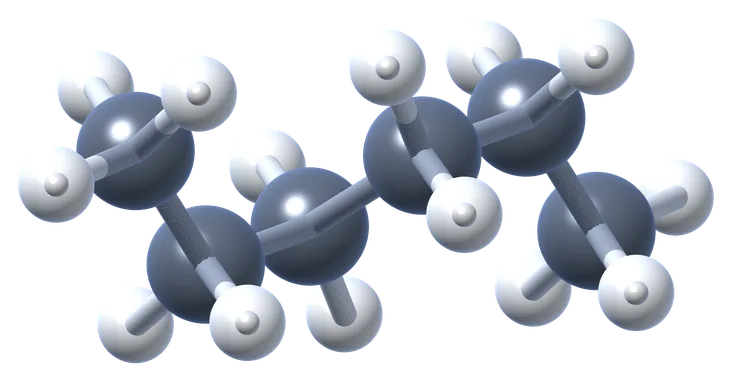
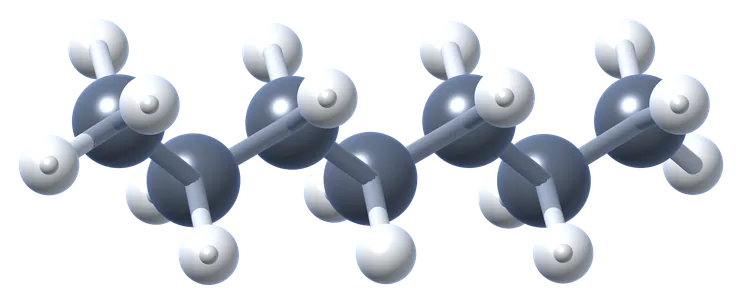
C7 to C12 paraffins, naphthenes and aromatics, boiling about 90 to 200 C per one reference.
⚛La chimica
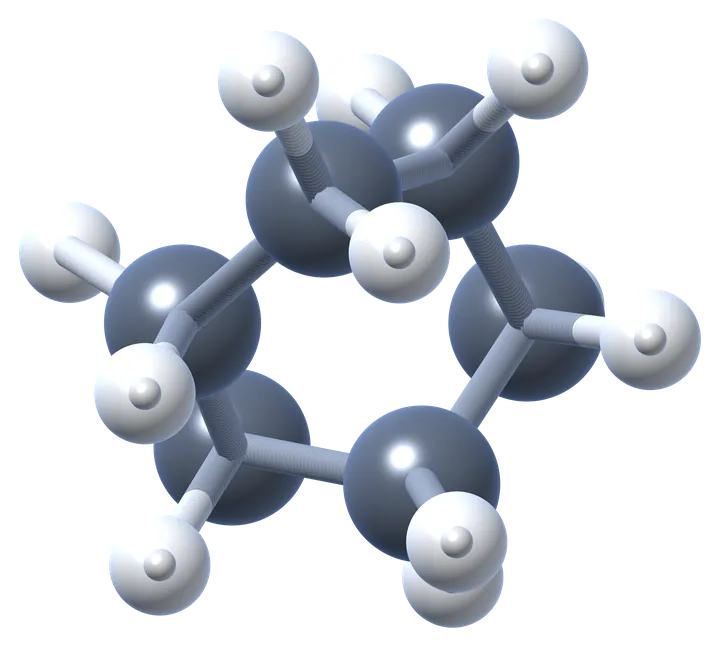
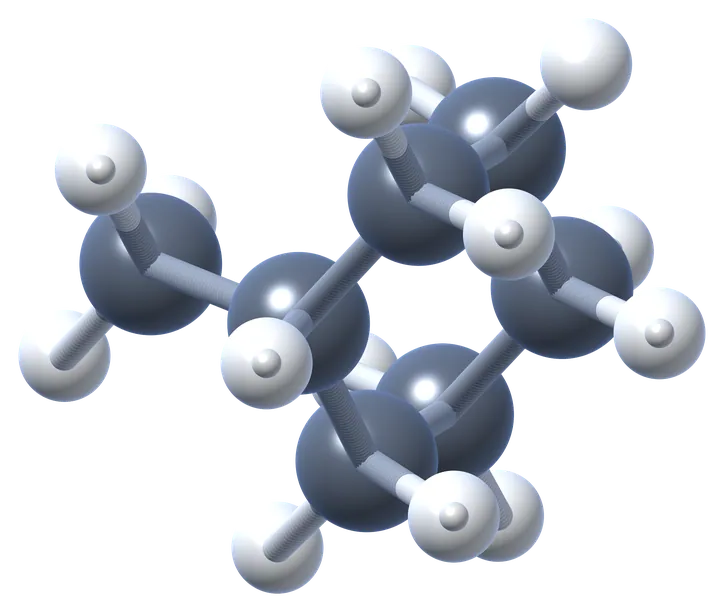
Naphthenes such as methylcyclohexane (C7H14) can be dehydrogenated to toluene (C7H8) in the reformer, which raises octane. Sulphur compounds poison reforming catalyst, so they are removed first by hydrotreating.
⚙How it is made
Atmospheric distillation of crude or condensate, followed by hydrotreating.
▶How it works
Heavy naphtha is converted in a catalytic reformer to reformate, a high-octane blend component, and to hydrogen.
▣Storage, loading and inspection
Stored in floating roof tanks; sampling per ASTM D4057.
★Why it matters in the Gulf
Gulf refineries in Kuwait, Saudi Arabia and the UAE produce heavy naphtha for their own reformers and export surplus to Asia. Verified volumes were not retrieved.
Molecole chiave
Norme e specifiche
| ASTM D86 | Distillation. |
|---|---|
| ASTM D4052 | Density. |
Pericoli
Flammable liquid; vapours heavier than air.
Come si commercializza
Units
Metric tonnes
Benchmarks
Platts naphtha assessments
Typical cargo
MR or LR tankers
Incoterms
FOB, CFR
Notes
Contracts specify paraffin, naphthene and aromatic (PONA) content and sulphur.
Raffinerie che lo producono: i nostri suggerimenti
54 raffinerie censite producono questo prodotto, 24 delle quali nel Golfo, in Iran e in Iraq. Diamo la precedenza agli impianti del Golfo, poi a quelli in esercizio, poi a quelli per capacità.
- 1Ruwais Refinery
 United Arab Emirates · 922,000 bpdLargest capacity among Gulf-first matchesGulf locationOperatingDeep conversionAccesso all'esportazione
- 2Al-Zour Refinery
 Kuwait · 615,000 bpdGulf locationOperatingAccesso all'esportazione
- 3Ras Tanura Refinery
 Saudi Arabia · 550,000 bpdGulf locationOperatingDeep conversionAccesso all'esportazione
- 4Petro Rabigh Refinery Saudi Arabia · 400,000 bpdGulf locationOperatingAccesso all'esportazione
- 5Bapco Sitra Refinery
 Bahrain · 380,000 bpdGulf locationOperatingAccesso all'esportazione
- 6Laffan Refinery
 Qatar · 306,600 bpdGulf locationOperatingAccesso all'esportazione




Terminal che lo movimentano
- Ras Tanura terminal Saudi Arabia
- Vopak Horizon Fujairah United Arab Emirates
- Bapco Sitra tank farm and marine terminal Bahrain
- Yanbu oil terminals (Red Sea) Saudi Arabia
- VTTI Fujairah United Arab Emirates
- Fujairah Oil Terminal (FOT) United Arab Emirates

Lo sapeva?
💡 Reforming makes hydrogen as a by-product.
💡 Heavy naphtha boils roughly 90 to 200 C (Wikipedia).
Si metta alla prova su Heavy naphtha
Heavy naphtha is mainly fed to:
Altro in questo gruppo
- Light naphtha
- Gasoline RON 91
- Gasoline RON 95
- Gasoline RON 98
- Reformate
- Alkylate
- Pyrolysis gasoline
- Aviation gasoline
Fonti
Redatto con parole proprie di PST a partire dalle fonti sopra. Affidabilità dei dati: medium. I valori tipici variano in base all'origine e al contratto, quindi legga sempre la specifica nel Suo contratto.