Lubricants and waxes
Base Oil Group III
Group III base oils are hydroprocessed mineral oils with at least 90 percent saturates and sulphur at or below 0.03 percent. They are the main base stock for modern engine oils.
← Все продуктыДругие названия: Group III base oil, Hydroprocessed base oil
- Температура вспышки200 to 250 C typical (open cup)
- Плотность840 to 870 kg/m³
- ВязкостьAbout 4 to 10 mm2/s at 100 C depending on grade
- Низкотемпературная текучесть-12 to -18 C typical
- СераLess than 0.03% (often below 10 ppm)
- Интервал кипения300 to 550 °C
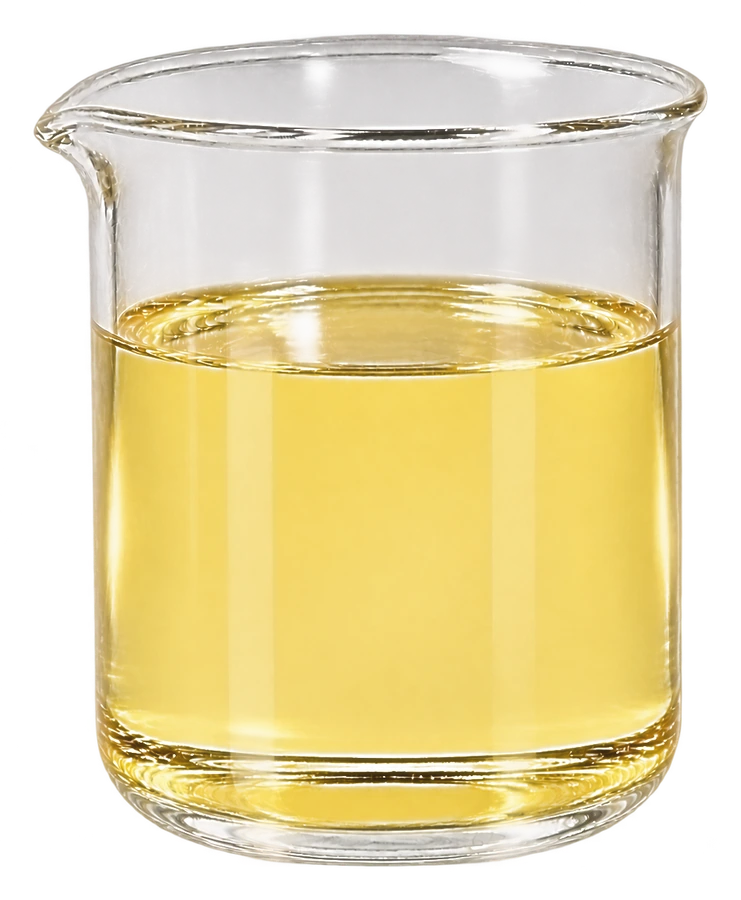
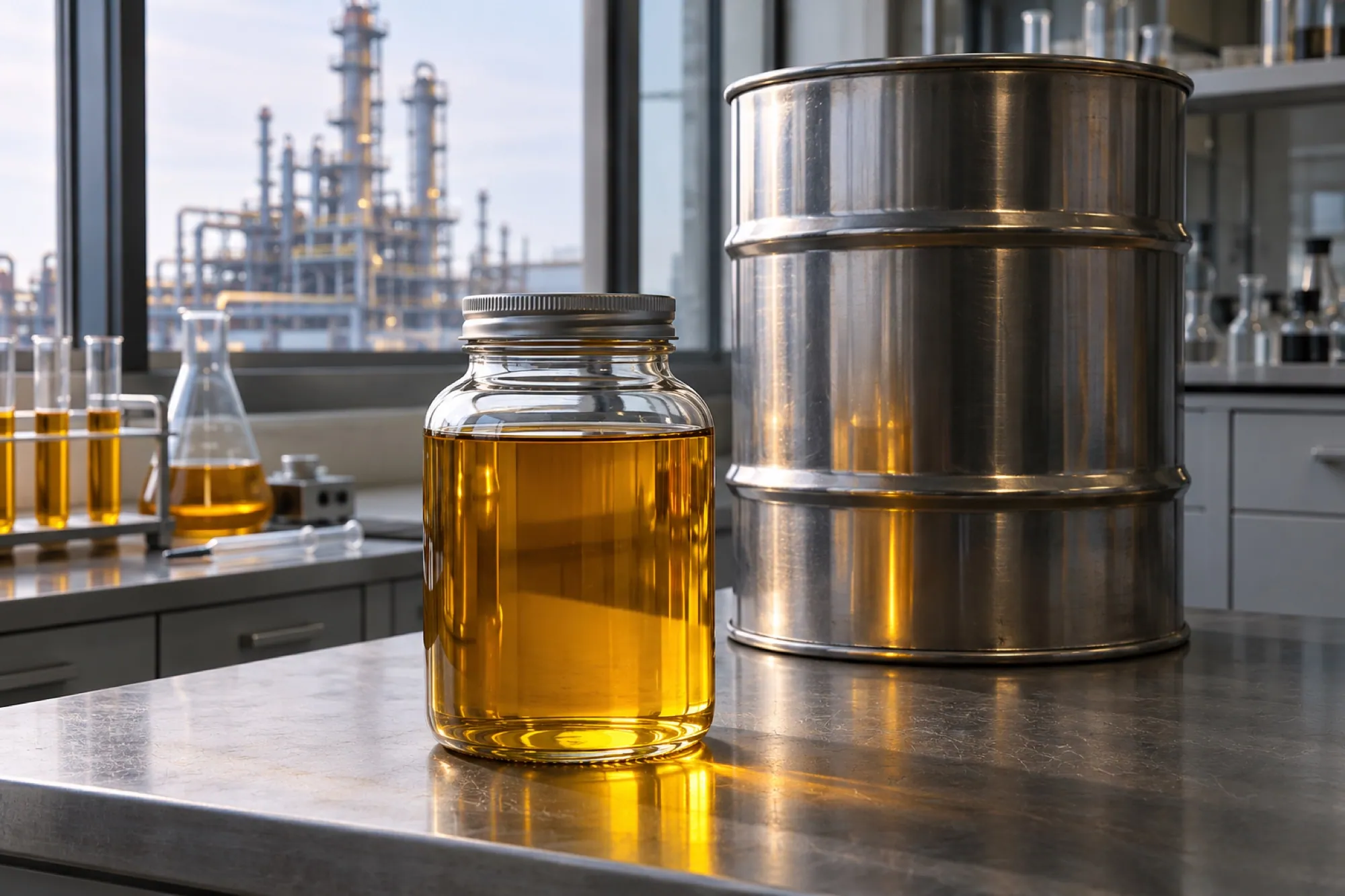
Авторство изображений Образцы в лабораторной посуде созданы по эталонным фотографиям с Wikimedia Commons, автор: Chemik10 (CC BY-SA 2.5) и фото образца нефти с лицензией CC0.
Помешайте жидкость, чтобы почувствовать её густоту
Проведите мышью или пальцем по жидкости. Нажмите и тяните, чтобы помешать сильнее. Клавиатура: стрелки перемешивают, пробел встряхивает.
Густая Тяжёлая. Сопротивляется перемешиванию и движется лишь медленно.
Типичная вязкость по даннымAbout 4 to 10 mm2/s at 100 C depending on grade
- Скорость перемешивания
- 0 px/с
- Движение жидкости
- 0%
- Успокоилась через
- -
- Поверхность
- Покой
Класс служит ориентиром для ощущения. Показанное значение вязкости взято из данных спецификации.
Внешний вид
Water-white to pale yellow
Где применяется
- Engine oils (SAE 5W-30, 10W-40)
- Hydraulic and turbine oils
- Gear oils
- Transformer oils
Обращение и безопасность
- Store in clean, dry closed tanks away from heat. Keep different grades separate to avoid contamination. Sample per ASTM D4057; inspect colour, viscosity, flash point and water. Drums, IBCs and flexitanks are common packaging.
- Combustible at high temperature. Hot product causes burns. Low acute toxicity; mist inhalation and prolonged skin contact should be avoided.
Типичные свойства
- Внешний вид
- Water-white to pale yellow
- Плотность при 15 °C
- 840 to 870 kg/m³
- Интервал кипения
- 300 to 550 °C
- Температура вспышки
- 200 to 250 C typical (open cup)
- Вязкость
- About 4 to 10 mm2/s at 100 C depending on grade
- Температура застывания
- -12 to -18 C typical
- Типичное содержание серы
- Less than 0.03% (often below 10 ppm)
◉What it is
Group III oils have at least 90 percent saturates, no more than 0.03 percent sulphur and a viscosity index of at least 120 (Wikipedia). They are made by hydroprocessing rather than solvent extraction, so they are clearer, more stable and more consistent than Group I. Group III is widely used for passenger car and heavy-duty engine oils. Viscosity grades are given in cSt at 100 C or by Neutral numbers such as N 100, N 150 or N 600.
⬡What it is made of
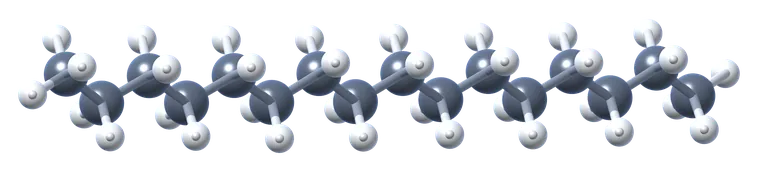
C20 to C40 saturated paraffins and naphthenes.
⚛Химия
Hydrogenation saturates aromatic rings and removes sulphur and nitrogen, leaving cycloalkanes and isoparaffins. Branched isoparaffins give low pour point and good viscosity index; saturated structure improves oxidation stability.
⚙How it is made
Vacuum gasoil is hydrocracked and hydroisomerised vacuum distillate, with VI raised by isomerising wax.
▶How it works
Base oil forms the bulk of the lubricant and provides film thickness, heat transfer and solvency for additives. Higher saturates and viscosity index give longer drain intervals.
▣Storage, loading and inspection
Store in clean, dry closed tanks away from heat. Keep different grades separate to avoid contamination. Sample per ASTM D4057; inspect colour, viscosity, flash point and water. Drums, IBCs and flexitanks are common packaging.
★Why it matters in the Gulf
Group II and III base oils are traded into the region for lubricant blending, including blending plants at Jebel Ali. Gulf production plants are not stated.
Ключевые молекулы

Стандарты и спецификации
| API 1509 | Group classification |
|---|---|
| ASTM D445 and D2270 | Viscosity and VI |
| ACEA and ILSAC | Engine oil standards that drive demand |
Опасности
Combustible at high temperature. Hot product causes burns. Low acute toxicity; mist inhalation and prolonged skin contact should be avoided.
Как им торгуют
Units
Metric tonnes; drums; flexitanks
Benchmarks
Platts Group II and III base oil assessments FOB Arab Gulf, Asia and Europe
Typical cargo
Parcels of 1,000 to 10,000 mt; containerised lots
Incoterms
FOB, CFR, CIF; drums and ISO tanks FCA or DAP
Notes
Group III is also called VHVI or hydrocracked base oil.
НПЗ, которые его производят: наши рекомендации
НПЗ в списке, производящих этот продукт: 38, из них в странах Персидского залива, Иране и Ираке: 18. Сначала идут заводы Персидского залива, затем действующие, затем по мощности.
- 1Ruwais Refinery
 United Arab Emirates · 922,000 bpdLargest capacity among Gulf-first matchesGulf locationOperatingDeep conversionДоступ к экспорту
- 2Daura Refinery
 Iraq · 140,000 bpdGulf locationOperating
- 3Pearl GTL
 Qatar · 140,000 bpdGulf locationOperatingДоступ к экспорту
- 4Najaf Refinery Iraq · 30,000 bpdGulf locationOperating
- 5Bahrain Lube Base Oil Plant (BLBOC)
 Bahrain · 8,000 bpdGulf locationOperatingДоступ к экспорту
- 6Sepahan Oil Company
 Iran · Not publishedGulf locationOperatingДоступ к экспорту




Терминалы, которые с ним работают
- Gulf Petrochem Hamriyah terminal United Arab Emirates
- Regal Petro Trading terminal, Hamriyah United Arab Emirates
- Sharafco Petroleum terminal, Hamriyah United Arab Emirates
- Sharlu base oil terminal, Hamriyah United Arab Emirates
Знаете ли вы
💡 Group III is marketed by some blenders as synthetic technology although it is mineral-based.
💡 Group III oils are fully produced by hydrocracking, hydroisomerisation and hydrotreating (Wikipedia).
Проверьте себя: Base Oil Group III
What is the VI of Group III?
Ещё в этой группе
- Base Oil Group I (SN 150, SN 500, Bright Stock)
- Base Oil Group II
- White Oil (Medicinal and Technical)
- Paraffin Wax
- Slack Wax
Источники
Написано собственными словами PST по источникам выше. Достоверность данных: medium. Типичные значения зависят от происхождения и контракта, поэтому всегда читайте спецификацию в своём контракте.