Aromatics complex (BTX, paraxylene)
Petrochemical process
An aromatics complex turns naphtha reformate and pyrolysis gasoline into benzene, toluene and xylenes, with paraxylene as the main prize. Paraxylene then feeds the polyester chain.
- 进料
- Heavy naphtha (reformer feed) and pyrolysis gasoline
- 产品
- Benzene, Toluene, Paraxylene, Orthoxylene, Hydrogen
- 温度
- Reforming and isomerisation steps are catalytic at several hundred C; paraxylene crystallisation is cold
- 催化剂
- Platinum-based reforming catalyst; zeolite for isomerisation and toluene conversion
工艺流程
功能
Naphtha is first reformed over a catalyst to create an aromatic-rich liquid called reformate, and steam crackers add a similar stream called pyrolysis gasoline. Aromatics are pulled out of these streams by solvent extraction or extractive distillation, with solvents such as sulfolane. Benzene, toluene and mixed xylenes are then separated by distillation. Toluene can be converted to benzene and xylenes, and the xylene isomers are shifted by isomerisation towards the most valuable one, paraxylene. Paraxylene is recovered either by crystallisation at low temperature or by adsorption on a molecular sieve, and the rest is recycled.
分步说明
- Hydrotreat naphtha and reform to reformate
- Extract aromatics from reformate and pygas
- Split benzene, toluene and xylenes by distillation
- Convert toluene (disproportionation) to benzene and xylenes
- Isomerise xylenes towards paraxylene
- Recover paraxylene by crystallisation or adsorption
- Recycle the depleted xylene stream to isomerisation
化学成分
Reforming turns naphthenes and paraffins into aromatic rings and hydrogen. Xylene isomerisation shifts the methyl groups around the ring, and toluene disproportionation swaps a methyl group between rings to give benzene and xylene.
逐个原子绘制的反应式


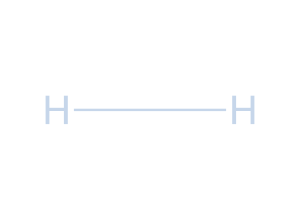 C6H12 -> C6H6 + 3 H2Model for the key naphthene-to-aromatic step in reforming.

 2 C7H8 -> C6H6 + C8H10Gives benzene and paraxylene.
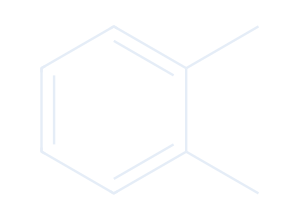 o-xylene -> p-xyleneShifts xylenes towards the paraxylene needed for terephthalic acid.
主要设备
- Reformer reactors
- Extraction column
- Splitter columns
- Isomerisation reactor
- Crystalliser or adsorption chambers
- Heat exchangers
安全
Benzene is a known carcinogen, so aromatics units need leak detection, closed sampling and vapour controls.
在海湾地区
The Noori Petrochemical Complex in Assaluyeh, Iran, is described as the world's largest aromatics plant at about 4.2 million tonnes per year. Gulf refiners with reformers also supply aromatics, and some of the paraxylene is exported to Asian polyester producers.
自我测验
Which solvent is commonly used for aromatics extraction?
相关
- PTA and PET chainPetrochemical process
- Naphtha as petrochemical feedPlant type
- Ethylbenzene and styrenePetrochemical process
- Steam crackingPetrochemical process
来源
由 PST 依据上述来源自行撰写。数据可信度:high。实际装置的设计和运行条件各有不同。