Merox sweetening
Refinery process
Merox is a UOP process that converts foul-smelling mercaptans in LPG, naphtha, kerosene and jet fuel into disulphides, using air, an alkaline solution and a catalyst.
- 进料
- LPG, light naphtha, kerosene, jet fuel
- 产品
- Sweetened product, Disulphide oil, Regenerated caustic
- 催化剂
- Catalyst, either dissolved in caustic or impregnated on charcoal granules; an alkaline environment is needed
工艺流程
功能
Mercaptans are sulphur compounds that smell strongly and can corrode or reduce fuel stability. In a Merox unit the feed is first washed with caustic to remove hydrogen sulphide. For LPG, mercaptans are extracted into caustic with a catalyst and the caustic is regenerated by air oxidation, which converts the mercaptides into disulphides that are separated. For kerosene and jet fuel, the feed, air and a little caustic pass through a fixed bed of catalyst-impregnated charcoal that oxidises the mercaptans in place. The disulphides stay in the product or are routed elsewhere, so total sulphur is not reduced, only the odour and corrosion problem.
分步说明
- Feed is prewashed with caustic to remove H2S
- Feed contacts caustic or goes to the catalyst bed with air
- Mercaptans oxidise to disulphides
- In the LPG version mercaptides regenerate in caustic
- Disulphides separate from the caustic
- Product is water-washed and filtered
- Sweetened product goes to storage or blending
化学成分
Mercaptans oxidise with oxygen in alkaline conditions to disulphides, catalysed by a metal complex catalyst. Caustic helps by forming mercaptide ions.
逐个原子绘制的反应式



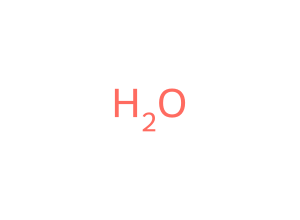 4 RSH + O2 -> 2 RSSR + 2 H2OR is ethyl in this example.
主要设备
- Prewash vessel
- Extractor (LPG)
- Fixed-bed reactor (jet)
- Caustic regenerator
- Sand filter
- Water wash
安全
Caustic is corrosive and air mixed with hydrocarbon can form flammable mixtures; spent caustic and disulphides need proper disposal.
自我测验
What are mercaptans converted to?
相关
- Hydrotreating and hydrodesulphurisationRefinery process
- LPG, gas plant and light ends recoveryRefinery process
来源
由 PST 依据上述来源自行撰写。数据可信度:medium。实际装置的设计和运行条件各有不同。