EDC, VCM and PVC
Petrochemical process
Ethylene and chlorine make ethylene dichloride (EDC), which is cracked to vinyl chloride monomer (VCM) and polymerised to PVC.
- Feed
- Ethylene, chlorine (from chlor-alkali), oxygen
- Makes
- EDC, Vinyl chloride monomer (VCM), PVC resin, Caustic soda (from chlor-alkali)
- Temperature
- EDC cracking in a fired furnace
- Catalyst
- Copper chloride (oxychlorination)
Process flow
What it does
Ethylene reacts with chlorine to give EDC. The EDC is heated in a fired cracker, where it splits into VCM and hydrogen chloride (HCl). Conversion per pass is only about 50 to 60 percent, so unconverted EDC is recycled, and the hot gas is quenched with cold EDC to limit side reactions. The HCl is recycled to an oxychlorination unit, which reacts it with ethylene and oxygen to make more EDC, so chlorine is used efficiently. VCM is then polymerised, mainly in suspension, to PVC resin.
Step by step
- Chlorine and caustic from brine electrolysis
- Direct chlorination of ethylene to EDC
- Oxychlorination of ethylene with HCl and oxygen
- Purify EDC by distillation
- Crack EDC to VCM and HCl
- Quench and separate HCl and VCM
- Polymerise VCM to PVC
- Dry and bag the resin
The chemistry
Chlorine adds across the double bond of ethylene. Heating removes HCl to form the vinyl group, and vinyl chloride chains join to make poly(vinyl chloride).
Reactions, drawn atom by atom

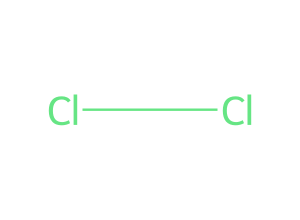
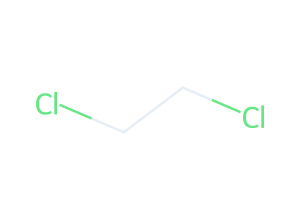 C2H4 + Cl2 -> C2H4Cl2Forms EDC.
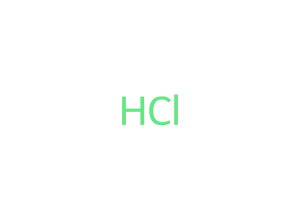
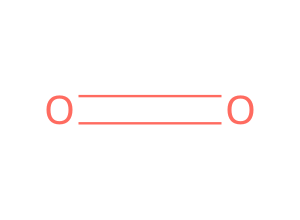
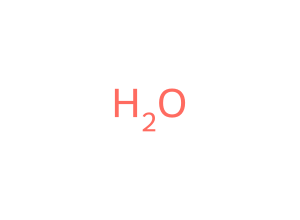 2 C2H4 + 4 HCl + O2 -> 2 C2H4Cl2 + 2 H2ORecycles HCl back into EDC.
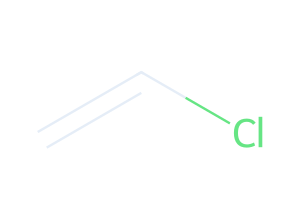 C2H4Cl2 -> C2H3Cl + HClHighly endothermic.
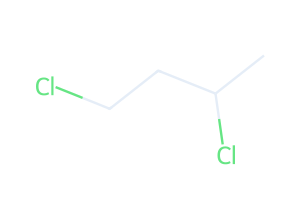 2 C2H3Cl -> (C2H3Cl)2Short chain model; chain ends drawn as C-H and C-Cl groups. Not an exact balanced formula for the end groups.
Main equipment
- Chlorination reactor
- Oxychlorination reactor
- EDC cracking furnace
- Quench column
- Polymerisation autoclave
- Dryer
Safety
Vinyl chloride is a flammable gas and an IARC Group 1 carcinogen, so closed systems and strict exposure limits apply.
In the Gulf
Gulf chlor-vinyl capacity is smaller than its polyolefin capacity. Gulf ethylene and local chlor-alkali supply the few EDC and PVC chains in the region. Plant capacities are not stated for this entry.
Test yourself
What is the typical per-pass conversion in EDC cracking?
Related
- Steam crackingPetrochemical process
- Ethylene to polyethylene (HDPE, LDPE, LLDPE)Petrochemical process
Sources
Written in PST's own words from the sources above. Confidence in the data: medium. Real plants differ in design and operating conditions.