Ethylene to polyethylene (HDPE, LDPE, LLDPE)
Petrochemical process
Polyethylene is made by linking ethylene molecules into long chains, either at very high pressure with radicals (LDPE) or at mild pressure with catalysts (HDPE, LLDPE). It is the most widely used plastic.
- Feed
- Polymer-grade ethylene, with optional comonomers (butene, hexene, octene) and hydrogen for control
- Makes
- HDPE pellets, LDPE pellets, LLDPE pellets
- Temperature
- Low-pressure processes are mild; LDPE is radical-initiated
- Pressure
- LDPE 1000 to 3000; HDPE and LLDPE low pressure
- Catalyst
- Chromium or Ziegler-Natta or metallocene (HDPE, LLDPE); radical initiator (LDPE)
Process flow
What it does
Ethylene gas is polymerised in reactors, and the choice of process fixes the polymer structure. In the high-pressure process, free radicals start chains at about 1000 to 3000 bar and create a highly branched, low-density product (LDPE). In low-pressure processes, chromium, Ziegler-Natta or metallocene catalysts build more linear chains at mild conditions, giving high-density polyethylene (HDPE). Adding a short alpha-olefin such as 1-butene, 1-hexene or 1-octene produces linear low-density polyethylene (LLDPE). The polymer powder or melt is then degassed, mixed with additives and pelletised for sale.
Step by step
- Purify ethylene and comonomer feeds
- Feed to the reactor with catalyst or initiator
- Polymerise (loop, gas-phase, solution or high-pressure reactor)
- Separate polymer from unreacted gas and recycle
- Degas and stabilise with additives
- Extrude and pelletise
- Pack and ship in bags, bulk or containers
The chemistry
Ethylene's C=C double bond opens and joins to the next molecule, repeating thousands of times. Density is set by branching: LDPE 0.910 to 0.940 g/cm3, LLDPE 0.915 to 0.925 g/cm3, HDPE 0.941 g/cm3 or higher.
Reactions, drawn atom by atom

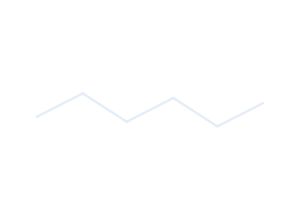 n C2H4 -> (C2H4)nThree monomers joined into a short chain; the chain ends are drawn as plain C-H groups.
Main equipment
- Loop or gas-phase reactor
- High-pressure autoclave or tubular reactor
- Hyper-compressor
- Degassing silo
- Extruder
- Pelletiser
Safety
High-pressure ethylene systems can decompose violently and polymer dust is a combustible hazard, so tight control of pressure and temperature is essential.
In the Gulf
QAPCO at Mesaieed runs three LDPE plants with a combined capacity of 780,000 tonnes a year, based on ethylene from its own 840,000 tonne cracker. Borouge in Ruwais and SABIC affiliates in Jubail and Yanbu are other large Gulf polyethylene producers that export to Asia, Africa and Europe.
Test yourself
Which pressure range is quoted for making LDPE?
Related
- Steam crackingPetrochemical process
- Ethylene oxide and mono-ethylene glycol (MEG)Petrochemical process
- Propylene to polypropylenePetrochemical process
- Ruwais (Borouge, Borouge 4, Fertiglobe, ADNOC Ruwais)Complex or hub
Sources
Written in PST's own words from the sources above. Confidence in the data: high. Real plants differ in design and operating conditions.