Ethylene oxide and mono-ethylene glycol (MEG)
Petrochemical process
Ethylene is oxidised over a silver catalyst to ethylene oxide, which is then hydrated to mono-ethylene glycol, the main raw material for polyester and antifreeze.
- Feed
- Ethylene, oxygen, water
- Makes
- Ethylene oxide, Mono-ethylene glycol (MEG), Diethylene glycol, Triethylene glycol
- Temperature
- About 220 to 280 (oxidation); about 200 (hydration)
- Pressure
- About 10 to 30 (oxidation); about 15 to 20 (hydration)
- Catalyst
- Silver on alumina (oxidation); none for thermal hydration
Process flow
What it does
Ethylene and oxygen (or air) are passed over a silver catalyst supported on alumina. The reaction is carried out at about 220 to 280 C and 1 to 3 MPa, and cooling is critical because complete oxidation to CO2 is a competing reaction. Ethylene oxide is scrubbed from the reactor gas with water and stripped out. Reacting it with excess water at about 200 C and 1.5 to 2 MPa gives glycols without a catalyst, with MEG as the main product and diethylene and triethylene glycol as co-products. Newer licensed routes raise the MEG selectivity to over 90 percent.
Step by step
- Purify ethylene and oxygen feeds
- Oxidise ethylene over silver catalyst
- Scrub ethylene oxide with water
- Strip and purify ethylene oxide
- Hydrate with excess water to glycols
- Evaporate water
- Vacuum distil MEG, DEG and TEG
The chemistry
Ethylene's double bond is oxidised to the three-membered epoxide ring. Water opens the ring to give the diol, and further reaction with ethylene oxide forms diethylene glycol and higher glycols.
Reactions, drawn atom by atom

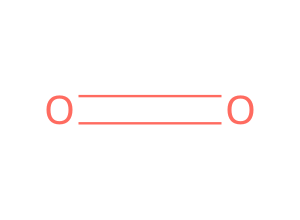
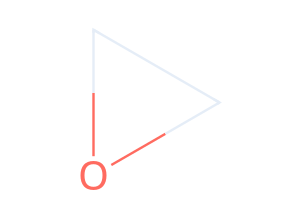 2 C2H4 + O2 -> 2 C2H4OSilver-catalysed direct oxidation.
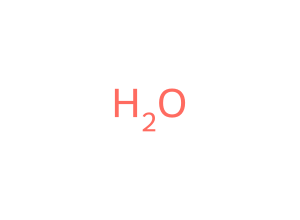
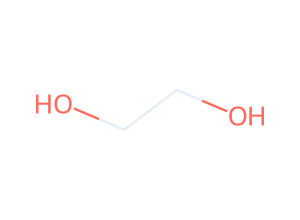 C2H4O + H2O -> C2H6O2Thermal hydration at about 200 C.
Main equipment
- Multitubular reactor
- Water absorber
- Stripper
- Glycol reactor
- Evaporators
- Vacuum columns
Safety
Ethylene oxide is extremely flammable, with an explosive range of about 3 to 100 percent in air, and it is a carcinogen, so it is handled as a cooled liquid and under nitrogen.
In the Gulf
MEG is a major Gulf export, made from ethylene at plants such as Sadara in Jubail and EQUATE in Kuwait, and shipped largely to Asian polyester makers. Detailed capacities are given in the hub entries only where verified.
Test yourself
Which catalyst is used to oxidise ethylene to ethylene oxide?
Related
- Steam crackingPetrochemical process
- PTA and PET chainPetrochemical process
- Ethylene to polyethylene (HDPE, LDPE, LLDPE)Petrochemical process
Sources
Written in PST's own words from the sources above. Confidence in the data: high. Real plants differ in design and operating conditions.