Ethylbenzene and styrene
Petrochemical process
Benzene and ethylene are combined to ethylbenzene, which is dehydrogenated to styrene, the monomer of polystyrene, ABS and SBR rubber.
- Feed
- Benzene, ethylene, steam
- Makes
- Styrene, Ethylbenzene (intermediate), Hydrogen, Toluene (by-product)
- Temperature
- Up to about 600 (dehydrogenation)
- Catalyst
- Zeolite (alkylation); iron(III) oxide (dehydrogenation)
Process flow
What it does
Ethylbenzene is made by alkylating benzene with ethylene. Older plants used aluminium chloride, but modern units use zeolite catalysts. Ethylbenzene is then mixed with superheated steam and passed over an iron oxide catalyst at up to about 600 C, where it loses hydrogen to form styrene. Because the reaction is endothermic and reversible, yields are typically 88 to 94 percent. Styrene and ethylbenzene boil only about 9 C apart, so many distillation columns are needed, and polymerisation inhibitors are added to stop runaway reactions.
Step by step
- Alkylate benzene with ethylene over zeolite
- Distil ethylbenzene
- Mix with superheated steam
- Dehydrogenate over iron oxide
- Condense and separate hydrogen
- Distil styrene from ethylbenzene
- Add inhibitor and store cool
The chemistry
Ethylene adds to the benzene ring (Friedel-Crafts type alkylation). Removing two hydrogens from the ethyl side chain creates the vinyl group of styrene.
Reactions, drawn atom by atom


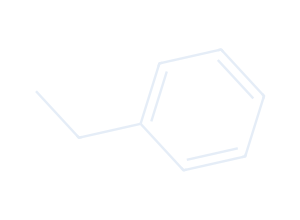 C6H6 + C2H4 -> C8H10Gives ethylbenzene.
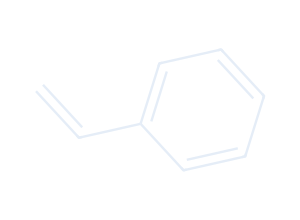
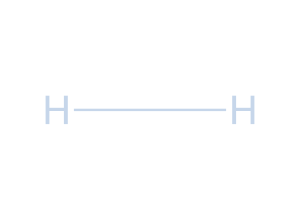 C8H10 -> C8H8 + H2Endothermic, run with steam over iron oxide.
Main equipment
- Alkylation reactor
- Distillation columns
- Steam superheater
- Radial-flow reactor
- Condenser and separator
Safety
Styrene can polymerise when heated and release heat, so inhibitors are added and storage temperatures are controlled.
In the Gulf
Aromatic and olefin streams from Gulf complexes feed styrene and polystyrene units in the region. Specific plant details are not stated for this entry.
Test yourself
What catalyst is used to dehydrogenate ethylbenzene?
Related
- Aromatics complex (BTX, paraxylene)Petrochemical process
- Steam crackingPetrochemical process
- Butadiene and C4 chemistryPetrochemical process
Sources
Written in PST's own words from the sources above. Confidence in the data: high. Real plants differ in design and operating conditions.