Gas-to-liquids (Fischer-Tropsch): Pearl GTL and Oryx GTL
Gas processing
Gas-to-liquids turns natural gas into liquid fuels and waxes by making synthesis gas and passing it over a Fischer-Tropsch catalyst. Qatar is home to Pearl GTL, the world's largest plant, and to Oryx GTL.
- Feed
- Natural gas and oxygen from an air separation unit
- Makes
- GTL diesel, GTL naphtha, GTL kerosene, Base oils, Paraffin wax
- Temperature
- About 150 to 300
- Pressure
- From about 1 to several tens of atm
- Catalyst
- Cobalt (low-temperature FT for gas feeds)
- Operators
- Shell, QatarEnergy, Sasol
Process flow
What it does
Natural gas is partly oxidised with oxygen to make synthesis gas, a mixture of carbon monoxide and hydrogen. The gas is cleaned and passed over a cobalt catalyst in Fischer-Tropsch reactors at about 150 to 300 C. Cobalt favours long-chain paraffins, which are then cracked and upgraded into clean diesel, naphtha, kerosene, base oils and waxes. The reaction is strongly exothermic, so heat removal is central to reactor design. Products are virtually free of sulfur and aromatics.
Step by step
- Treat natural gas
- Make oxygen in an air separation unit
- Partial oxidation to syngas
- Adjust H2 to CO ratio
- Fischer-Tropsch synthesis
- Hydrocracking and upgrading
- Fractionate to diesel, naphtha, base oils
The chemistry
CO and H2 build chains of CH2 units with water as by-product. Chain length follows a statistical distribution set by catalyst and conditions.
Reactions, drawn atom by atom
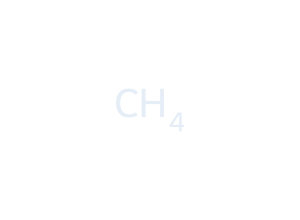
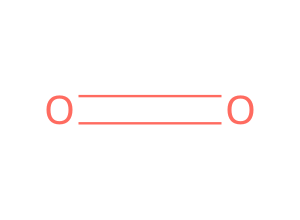
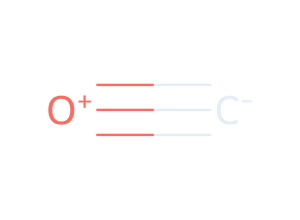
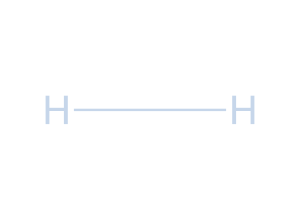 2 CH4 + O2 -> 2 CO + 4 H2Syngas generation.
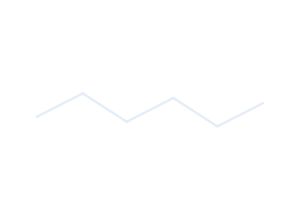
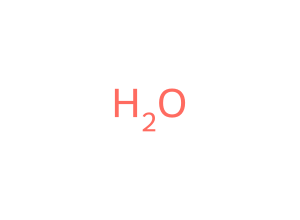 6 CO + 13 H2 -> C6H14 + 6 H2OModel for the general reaction nCO + (2n+1)H2 -> CnH2n+2 + nH2O.
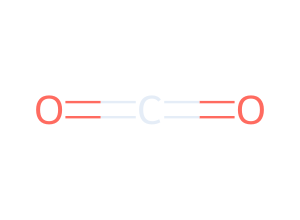 CO + H2O -> CO2 + H2Adjusts H2/CO ratio.
Main equipment
- Air separation unit
- Syngas reactor
- Fischer-Tropsch reactors
- Hydrocracker
- Fractionator
Safety
Large oxygen and hydrogen inventories and exothermic reactors need strong fire and explosion protection.
In the Gulf
Pearl GTL at Ras Laffan is owned by QatarEnergy and Shell under a production sharing agreement, converts about 1.6 billion cubic feet a day of gas into about 140,000 barrels per day of liquids, uses 24 Fischer-Tropsch reactors, and started its first train in May 2011 and second in November 2011. Oryx GTL, also at Ras Laffan, is 51 percent QatarEnergy and 49 percent Sasol, started in 2007 and is about 34,000 barrels per day.
Test yourself
How many Fischer-Tropsch reactors are in the core of Pearl GTL?
Related
- Ras Laffan and Mesaieed (QAPCO, Q-Chem, Qatofin, Qafco, Pearl GTL, Oryx GTL)Complex or hub
- LNG liquefactionGas processing
- Methanol production from natural gasPetrochemical process
Sources
Written in PST's own words from the sources above. Confidence in the data: high. Real plants differ in design and operating conditions.