Methanol production from natural gas
Petrochemical process
Methane is converted to synthesis gas and then to methanol over a copper catalyst. Methanol is a basic chemical for formaldehyde, MTBE, acetic acid and olefins.
- Feed
- Natural gas, steam, sometimes oxygen
- Makes
- Methanol, Water (by-product)
- Temperature
- About 250
- Pressure
- About 50 to 100
- Catalyst
- Copper and zinc oxide on alumina
Process flow
What it does
Natural gas is purified and reformed with steam, sometimes with oxygen, to make synthesis gas, a mix of CO, CO2 and hydrogen. The gas is compressed and passed over a copper and zinc oxide catalyst on alumina at about 50 to 100 atmospheres and about 250 C. The reaction is more than 99.8 percent selective. Unreacted gas is recycled, and crude methanol is distilled to chemical grade. Methane-derived syngas has surplus hydrogen, so CO2 can be added to the reactor as well.
Step by step
- Desulfurise the gas
- Reform methane with steam to syngas
- Compress syngas
- React over Cu/ZnO catalyst
- Cool and condense crude methanol
- Recycle unreacted gas
- Distil to chemical grade
The chemistry
Methane is reformed to CO and H2. CO and H2 combine to methanol, and CO2 can also be hydrogenated to methanol with water as by-product.
Reactions, drawn atom by atom

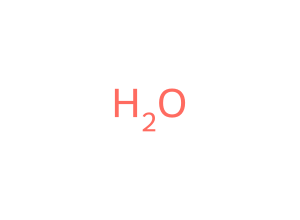
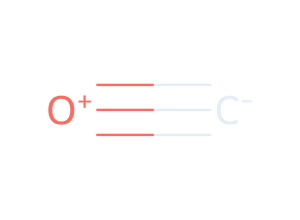
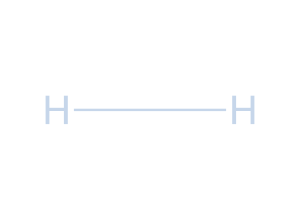 CH4 + H2O -> CO + 3 H2Syngas generation.
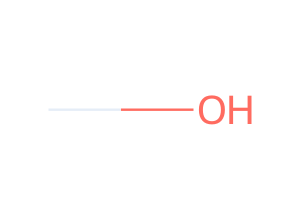 CO + 2 H2 -> CH3OHMain synthesis reaction.
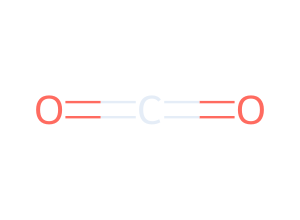 CO2 + 3 H2 -> CH3OH + H2OUses surplus hydrogen.
Main equipment
- Steam reformer
- Syngas compressor
- Methanol converter
- Distillation columns
Safety
Methanol is flammable and toxic if swallowed or inhaled, and burns with a nearly invisible flame.
In the Gulf
GPIC in Bahrain commissioned its methanol plant in 1985, alongside ammonia, and Oman has a methanol complex at Salalah. In Iran, methanol is a major export from the Assaluyeh and Bandar Imam areas. Capacities for these are not stated here.
Test yourself
Which catalyst is most widely used for methanol synthesis?
Related
- MTBE and ETBEPetrochemical process
- Ammonia and urea (fertiliser)Petrochemical process
- Gas-to-liquids (Fischer-Tropsch): Pearl GTL and Oryx GTLGas processing
- Bahrain (GPIC, Bapco)Complex or hub
Sources
Written in PST's own words from the sources above. Confidence in the data: high. Real plants differ in design and operating conditions.