Hydrogen production (steam methane reforming)
Refinery process
A steam methane reformer converts natural gas and steam into hydrogen over a nickel catalyst. Refineries use it to supply hydrotreaters and hydrocrackers.
- Feed
- Natural gas or light hydrocarbons, steam
- Makes
- Hydrogen, Carbon dioxide, Export steam, PSA off-gas (fuel)
- Temperature
- Outlet about 815 to 925
- Pressure
- About 14 to 40
- Catalyst
- Nickel on alumina
Process flow
What it does
Natural gas is first desulphurised to protect the catalyst, then mixed with steam and sent through furnace tubes filled with nickel catalyst. The reaction is strongly endothermic, so the tubes are heated in a fired box. The gas leaves as synthesis gas containing hydrogen and carbon monoxide. A shift reactor then converts most of the carbon monoxide with steam to extra hydrogen and carbon dioxide. A pressure swing adsorption unit purifies the hydrogen, and the purge gas is burned as furnace fuel. Plants usually include a pre-reformer and waste heat recovery to raise steam.
Step by step
- Natural gas is desulphurised
- Steam is added at a steam-to-carbon ratio of about 2.5 to 3
- A pre-reformer converts heavier hydrocarbons to methane
- Reformer tubes in a fired furnace convert methane to syngas
- Waste heat boilers raise steam
- Shift reactors convert CO to more hydrogen
- PSA purifies the hydrogen
The chemistry
Methane reacts with steam over nickel to make carbon monoxide and hydrogen, absorbing about 206 kJ per mole. The water-gas shift reaction then converts carbon monoxide and water into carbon dioxide and more hydrogen. Sulphur poisons nickel, so it is removed first.
Reactions, drawn atom by atom

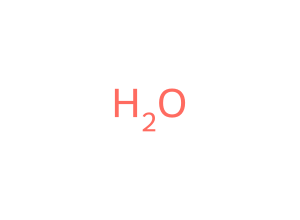

 CH4 + H2O -> CO + 3H2Strongly endothermic.
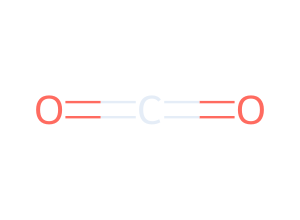 CO + H2O -> CO2 + H2Mildly exothermic.
Main equipment
- Desulphuriser
- Pre-reformer
- Reformer furnace with catalyst tubes
- Shift converters
- PSA unit
- Waste heat boiler
Safety
Hydrogen is flammable across a wide range and carbon monoxide is toxic. Tube overheating can cause rupture.
Test yourself
Typical SMR catalyst?
Related
- Hydrotreating and hydrodesulphurisationRefinery process
- HydrocrackingRefinery process
- Catalytic reformingRefinery process
Sources
Written in PST's own words from the sources above. Confidence in the data: high. Real plants differ in design and operating conditions.