Crude oils and condensates
South Pars and Qatar condensate
South Pars and Qatar condensate is the light liquid produced with gas from the giant North Field/South Pars gas field; no single published assay is available in the sources checked.
← All productsAlso called: Qatar Condensate, Al Shaheen condensate, Das condensate, Pars condensate, Qatar Lease Condensate
- HazardUN1267 or UN3295, Class 3 (flammable liquid)
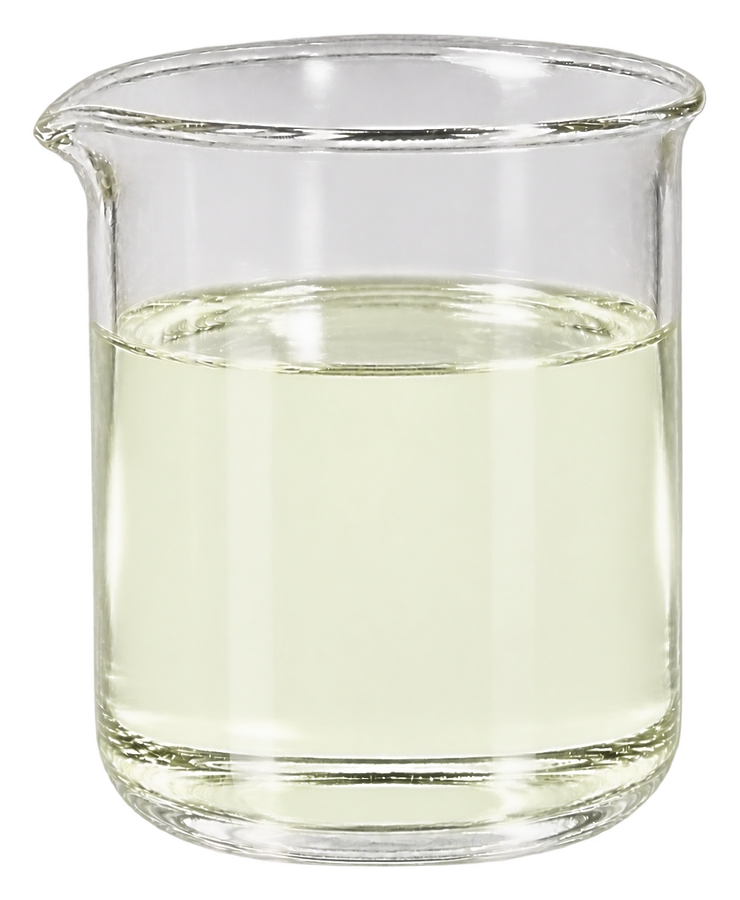
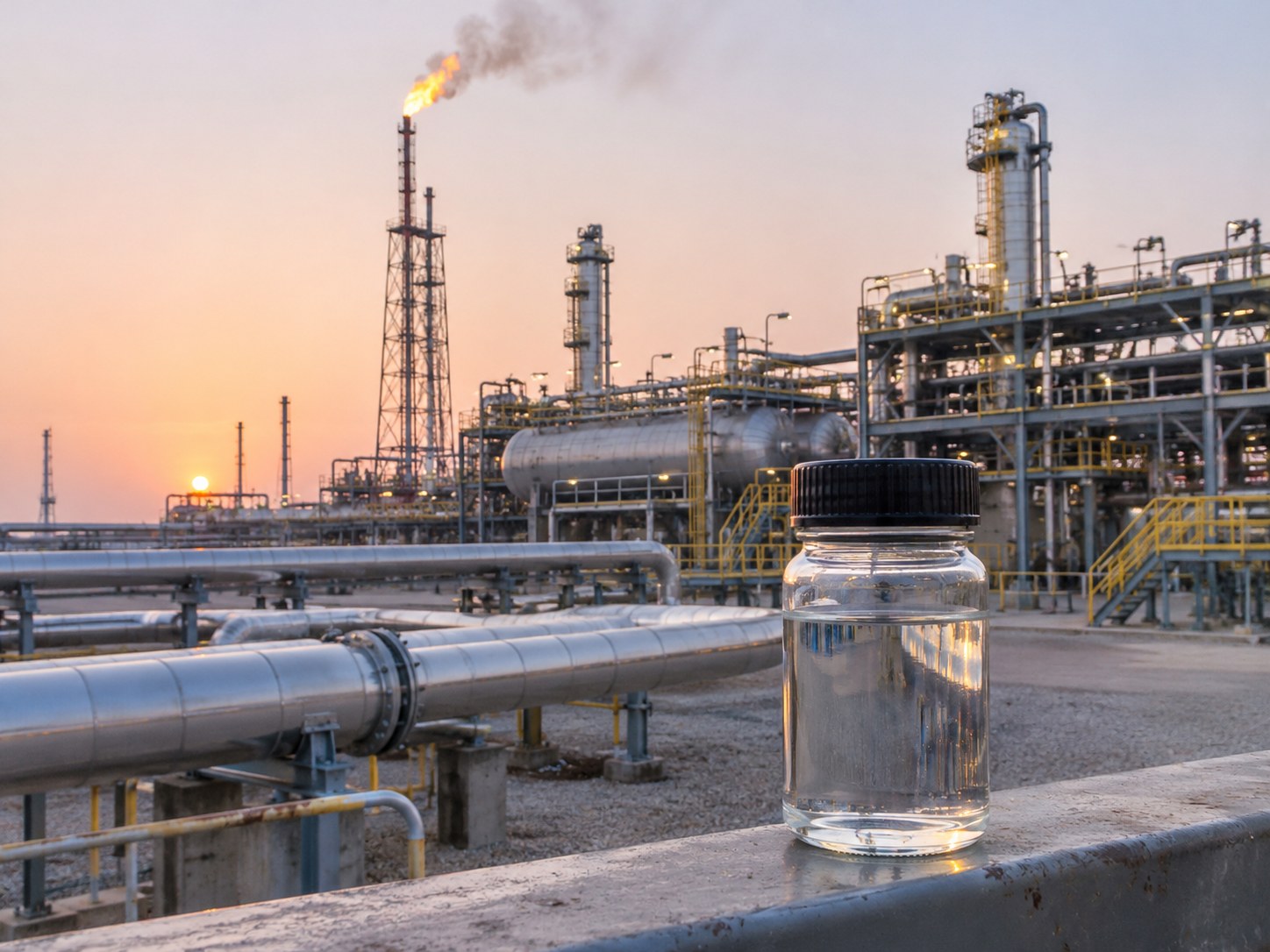
Image credits Laboratory glass samples are made from reference photos on Wikimedia Commons by Chemik10 (CC BY-SA 2.5) and a CC0 petroleum sample photo. Photograph: made from a reference photo by Spielvogel, CC BY-SA 4.0, via Wikimedia Commons.
Stir the liquid to feel how thick it is
Move the mouse or a finger across the liquid. Press and drag to stir harder. Keyboard: arrow keys stir, Space shakes.
Very thin Water-thin or thinner. Ripples run fast and ring for a long time.
- Stir speed
- 0 px/s
- Liquid movement
- 0%
- Settled after
- -
- Surface
- Still
The class is a guide for feel. The viscosity figure shown is the one in the specification data.
How it looks
Where it is used
- Splitter and petrochemical feedstock
- Diluent for heavy oil
- Blending to lighten crude
Handling and safety
- Crude moves by pipeline to a terminal, is stored in floating-roof tanks and is loaded by loading arms or single point moorings onto tankers under inert gas. Independent inspectors sample under ASTM D4057 or API MPMS Chapter 8, measure water and sediment and quantity, and issue a quality and quantity certificate at loading.
- UN 1267 is 'Petroleum crude oil'; UN 3295 is 'Hydrocarbons, liquid, n.o.s.'. Condensate is generally more flammable than crude.
Typical properties
◉What it is
South Pars/North Dome is described by Wikipedia as a major offshore gas-condensate field shared by Qatar (North Field) and Iran (South Pars). Condensate separates from the gas as it is processed. The North Field East expansion in Qatar is expected to produce 250,000 barrels per day of condensate according to a 2022 statement cited by Wikipedia. No API gravity, sulphur, pour point or density is published for this stream in the sources checked, so those fields are left blank. Iran exported about 1.4 million barrels per day of crude and condensate in 2023, per EIA figures cited by Wikipedia.
⬡What it is made of
Light hydrocarbons (pentanes and heavier) separated from raw gas, as for natural-gas condensate in general.
⚛The chemistry
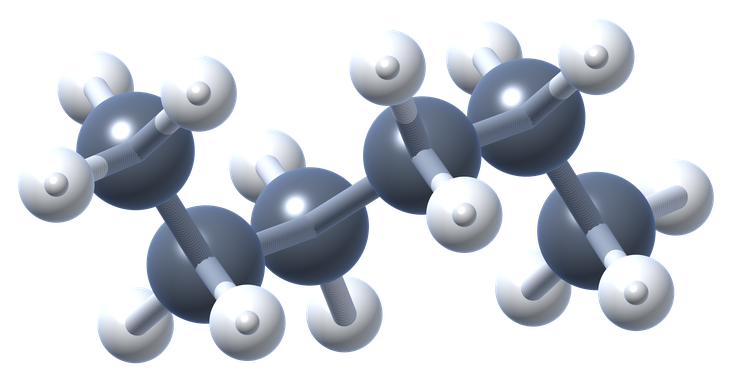
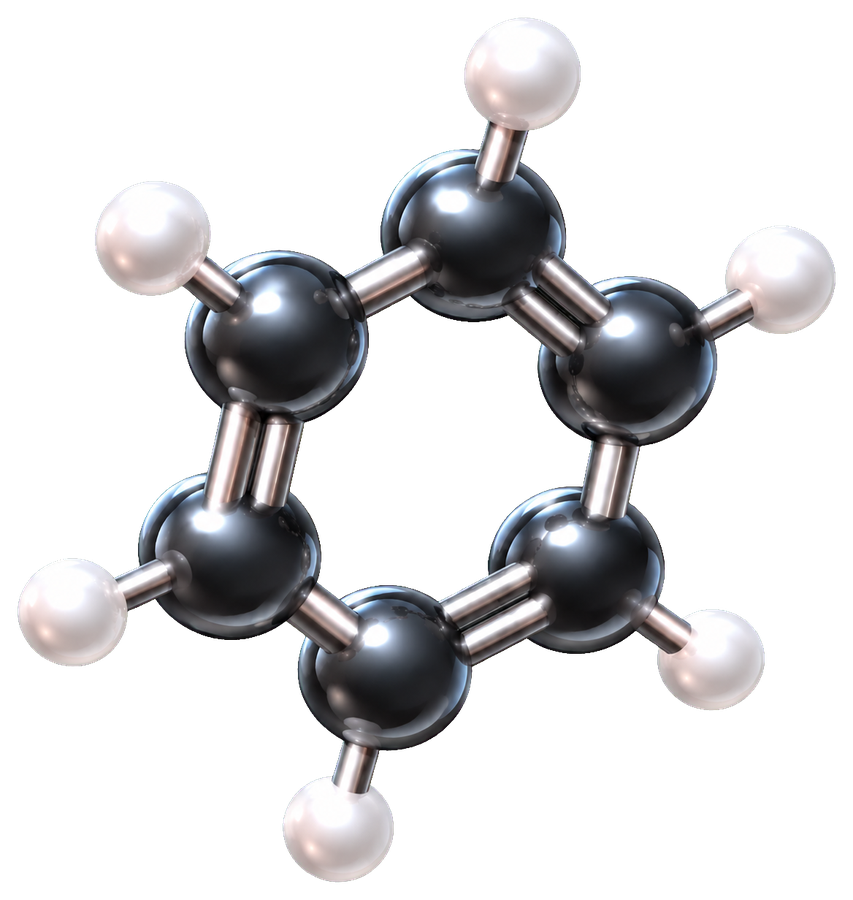
As for natural-gas condensate generally: short alkanes and light aromatics, with possible traces of hydrogen sulphide and mercaptans removed in processing. No stream-specific composition is published in the sources checked.
⚙How it is made
Condensate separates from raw gas when it cools below its hydrocarbon dew point and is stabilised in low-pressure separation, as described for natural-gas condensate generally.
▶How it works
Sold as a very light feedstock for splitters and petrochemical units. Stream-specific quality is not published in the sources checked.
▣Storage, loading and inspection
Crude moves by pipeline to a terminal, is stored in floating-roof tanks and is loaded by loading arms or single point moorings onto tankers under inert gas. Independent inspectors sample under ASTM D4057 or API MPMS Chapter 8, measure water and sediment and quantity, and issue a quality and quantity certificate at loading.
★Why it matters in the Gulf
The North Field East expansion is expected to add about 250,000 barrels per day of condensate (2022 statement).
Key molecules
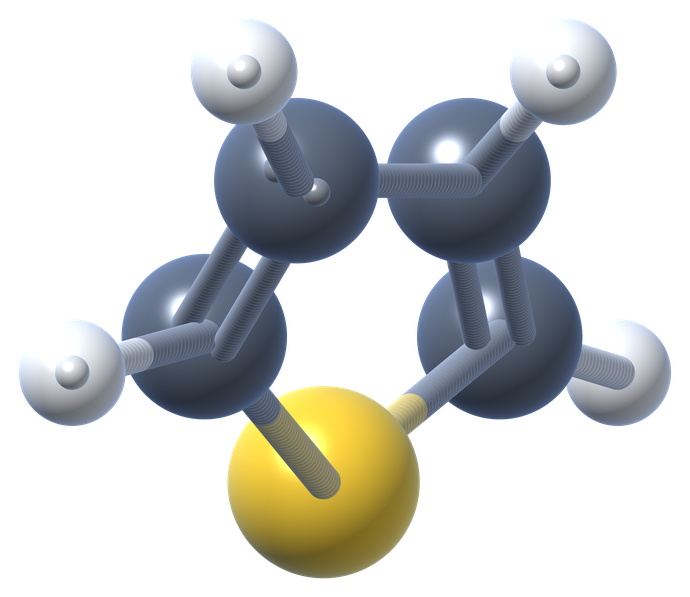
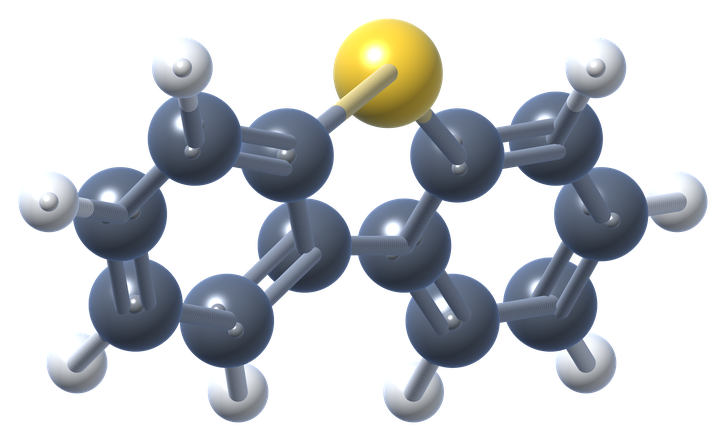
Standards and specifications
| ASTM D4052 / ISO 12185 | Density by digital density meter, used to derive API gravity for cargo documents. |
|---|---|
| ASTM D4294 / ISO 8754 | Sulphur content by X-ray fluorescence. |
| ASTM D4057 / API MPMS Ch. 8.1 | Manual sampling of petroleum liquids for cargo quality determination. |
| ASTM D5853 | Pour point of crude oils; relevant to waxy grades. |
| Producer sales specification | A grade is sold against the producer's own assay and quality specification, not one public standard. |
Hazards
UN 1267 is 'Petroleum crude oil'; UN 3295 is 'Hydrocarbons, liquid, n.o.s.'. Condensate is generally more flammable than crude.
How it is traded
Units
Barrels (bbl); cargo sizes in thousand barrels; US dollars per barrel
Benchmarks
Not published in the sources checked
Typical cargo
VLCC about 2 million barrels, Suezmax about 1 million barrels, Aframax about 600,000 barrels (depends on terminal draft)
Incoterms
FOB at the loading terminal is common; CFR or CIF for delivered sales
Notes
Quality fixed by the cargo assay and inspector certificates.
Refineries that make it: our suggestions
37 listed refineries make this product, 28 of them in the Gulf, Iran and Iraq. We rank Gulf plants first, then operating plants, then by capacity.
- 1Ras Tanura Refinery
 Saudi Arabia · 550,000 bpdLargest capacity among Gulf-first matchesGulf locationOperatingDeep conversionExport access
- 2Persian Gulf Star Refinery
 Iran · 360,000 bpdGulf locationOperatingExport access
- 3Laffan Refinery
 Qatar · 306,600 bpdGulf locationOperatingExport access
- 4South Pars Gas Refinery, Phases 2 and 3 (2nd refinery) Iran · Not publishedGulf locationOperatingExport access
- 5South Pars Gas Refinery, Phases 4 and 5 (3rd refinery) Iran · Not publishedGulf locationOperatingExport access
- 6South Pars Gas Refinery, Phases 6, 7 and 8 (4th refinery) Iran · Not publishedGulf locationOperatingExport access


Terminals that handle it
- Vopak Horizon Fujairah
 United Arab Emirates
- VTTI Fujairah United Arab Emirates
- Qeshm (Direstan) oil export terminal Iran
- Assaluyeh condensate storage (Pars) Iran
- ENOC Jebel Ali storage and terminal United Arab Emirates
- Ras Laffan port Qatar

Did you know
💡 South Pars and the North Field are the Iranian and Qatari parts of the same offshore gas field.
Test yourself on South Pars and Qatar condensate
How does Wikipedia describe South Pars/North Dome?
More in this group
- Arab Extra Light
- Arab Light
- Arab Medium
- Arab Heavy
- Murban
- Upper Zakum
- Das Blend
- Umm Lulu
- Basrah Medium
- Basrah Heavy
- Kuwait Export Blend
- Qatar Marine
Sources
- Wikipedia: Petroleum industry in Qatar
- Wikipedia: Petroleum industry in Iran
- Wikipedia: Natural-gas condensate
- Wikipedia: List of UN numbers 1201 to 1300
- Wikipedia: List of UN numbers 3201 to 3300
Written in PST's own words from the sources above. Confidence in the data: low. Typical values vary by origin and contract, so always read the specification in your own contract.