Light products · Petrochemical (cracker feed) naphtha, trade basis
Naphtha
A light hydrocarbon stream, mainly the feed for steam crackers that make ethylene and propylene. Buyers set their own limits, so these are the usual trade ranges.
- 10Parameters
- 10With a limit
- 10Off-spec causes explained
- Density0.65 to 0.73 kg/l
- Sulphurmax 250 ppm (mg/kg)
- Boiling endmin 25 °C
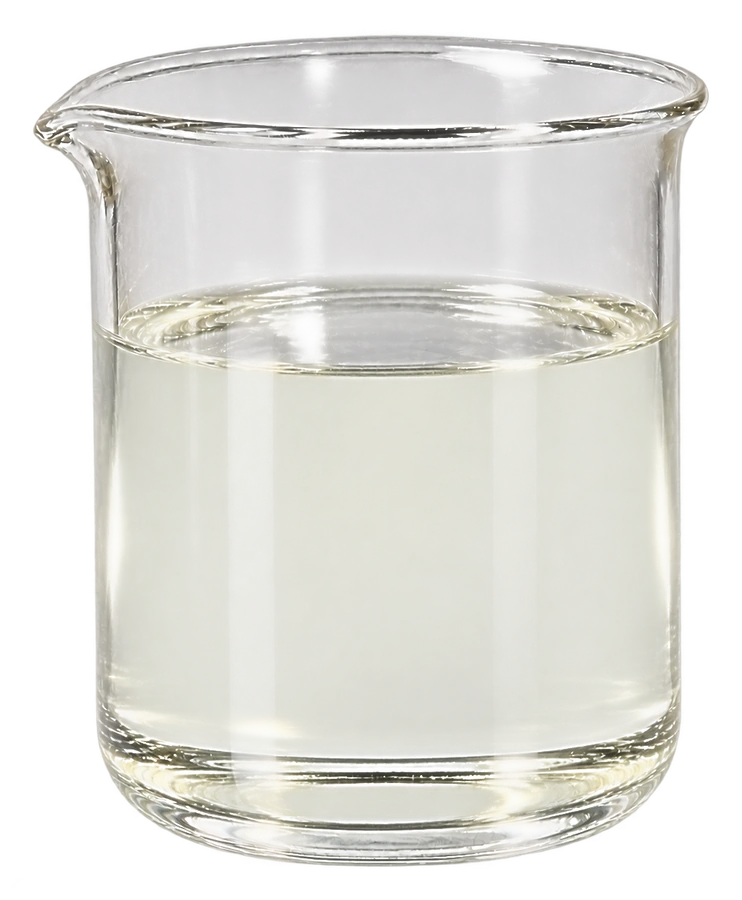
Image credits Laboratory glass samples are made from reference photos on Wikimedia Commons by Chemik10 (CC BY-SA 2.5) and a CC0 petroleum sample photo.
Stir the liquid to feel how thick it is
Move the mouse or a finger across the liquid. Press and drag to stir harder. Keyboard: arrow keys stir, Space shakes.
Very thin Water-thin or thinner. Ripples run fast and ring for a long time.
- Stir speed
- 0 px/s
- Liquid movement
- 0%
- Settled after
- -
- Surface
- Still
The class is a guide for feel. The viscosity figure shown is the one in the specification data.
How it looks
Water-white to very pale yellow, thin like water, and very volatile with a strong smell. Cloudiness means water; a yellow or dark colour means contamination or heavy ends.
Where it is used
- Steam cracker feedstock for olefins
- Reformer feed after treatment
- Gasoline blending and solvents
Handling and safety
- Floating or inert-blanketed tanks to avoid losses.
- Check mercury and sulphur at loading for cracker customers.
- Strict static and ventilation control.
Typical properties
- Density at 15 °C
- 0.65 to 0.73 kg/l
- Initial boiling point
- min 25 °C
- Final boiling point
- max 170 °C
- Paraffins
- min 70 % vol
- Aromatics
- max 15 % vol
- Benzene
- max 2.5 % vol
- Total sulphur
- max 250 ppm (mg/kg)
- Mercury
- max 1 ppb
The specification
Petrochemical (cracker feed) naphtha, trade basis. Limits are the commonly published ones. Your contract and the current edition of the standard decide.
| Parameter | Limit | Test method | What it protects |
|---|---|---|---|
| Density at 15 °C | 0.65 to 0.73 kg/l | ASTM D4052 | A first check on the cut and the paraffin content. |
| Initial boiling point | min 25 °C | ASTM D86 | Controls vapour pressure and light ends. |
| Final boiling point | max 170 °C | ASTM D86 | Heavy ends coke up cracking furnaces. |
| Paraffins | min 70 % vol | ASTM D6730 | More paraffins give more ethylene in a cracker. |
| Aromatics | max 15 % vol | ASTM D6730 | Aromatics crack poorly and lower the olefin yield. |
| Benzene | max 2.5 % vol | ASTM D6730 | Health limits and a contractual cap. |
| Total sulphur | max 250 ppm (mg/kg) | ASTM D5453 | Corrosion in cracking furnaces and downstream catalysts. |
| Mercury | max 1 ppb | UOP 938 / ASTM D7622 | Mercury destroys equipment in cryogenic units and poisons catalysts. |
| Olefins | max 1 % vol | ASTM D1319 | Gum and fouling in storage and furnaces. |
| Organic chloride | max 1 ppm | ASTM D4929 | Corrosion and catalyst poisons. |
Why a cargo goes off spec
When one parameter fails, it usually points to one cause. Here is what to look for.
Density at 15 °C0.65 to 0.73 kg/l
Too highHeavy cut or aromatic naphtha.
Too lowVery light cut or C4 and LPG carry-over.
Why it mattersA first check on the cut and the paraffin content.
Initial boiling pointmin 25 °C
Too lowDissolved C4 and lighter gases.
Why it mattersControls vapour pressure and light ends.
Final boiling pointmax 170 °C
Too highA heavy cut or kerosene contamination.
Why it mattersHeavy ends coke up cracking furnaces.
Paraffinsmin 70 % vol
Too lowAromatic or naphthenic naphtha.
Why it mattersMore paraffins give more ethylene in a cracker.
Aromaticsmax 15 % vol
Too highReformate or pygas contamination.
Why it mattersAromatics crack poorly and lower the olefin yield.
Benzenemax 2.5 % vol
Too highAromatic contamination.
Why it mattersHealth limits and a contractual cap.
Total sulphurmax 250 ppm (mg/kg)
Too highA sour cut or untreated stream.
Why it mattersCorrosion in cracking furnaces and downstream catalysts.
Mercurymax 1 ppb
Too highCondensate-derived naphtha.
Why it mattersMercury destroys equipment in cryogenic units and poisons catalysts.
Olefinsmax 1 % vol
Too highCracked components in the blend.
Why it mattersGum and fouling in storage and furnaces.
Organic chloridemax 1 ppm
Too highChlorinated slop or contaminated tanks.
Why it mattersCorrosion and catalyst poisons.
Check your own certificate
Type the values, paste the certificate text, or upload a PDF or photo. The checker names every parameter that is off spec and the usual reason.
| Parameter | Limit | Your value | Result |
|---|---|---|---|
| Density at 15 °CASTM D4052 | 0.65 to 0.73 kg/l | enter a value | |
| Initial boiling pointASTM D86 | min 25 °C | enter a value | |
| Final boiling pointASTM D86 | max 170 °C | enter a value | |
| ParaffinsASTM D6730 | min 70 % vol | enter a value | |
| AromaticsASTM D6730 | max 15 % vol | enter a value | |
| BenzeneASTM D6730 | max 2.5 % vol | enter a value | |
| Total sulphurASTM D5453 | max 250 ppm (mg/kg) | enter a value | |
| MercuryUOP 938 / ASTM D7622 | max 1 ppb | enter a value | |
| OlefinsASTM D1319 | max 1 % vol | enter a value | |
| Organic chlorideASTM D4929 | max 1 ppm | enter a value |
Sources
Indicative information for professional users. Not a substitute for the standard, a contract or an independent inspector.