Alkylation (sulphuric and HF)
Refinery process
Alkylation joins isobutane with light olefins in the presence of a strong acid to make alkylate, a clean, branched, high-octane gasoline component. Sulphuric acid and hydrofluoric acid are the two main process types.
- Carica
- Isobutane plus propylene and butylenes (mainly from FCC)
- Produce
- Alkylate (mostly trimethylpentanes), Propane, n-Butane, Spent acid
- Temperatura
- Sulphuric acid process about 5 to 10; HF process about 21 to 38
- Pressione
- Enough to keep the hydrocarbons liquid
- Catalizzatore
- Concentrated sulphuric acid or hydrofluoric acid
Schema di processo
Cosa fa
Alkylate is prized because it has high octane, very low sulphur and no aromatics or olefins. Light olefins, mostly propylene and butylenes from the cracker, are mixed with an excess of isobutane and acid. In the sulphuric version the mixture is kept cool by refrigeration, while the hydrofluoric version operates near ambient temperatures. The acid and hydrocarbon separate in a settler, the acid is recycled, and the hydrocarbons are fractionated to give alkylate, with propane and normal butane as by-products. Spent acid is regenerated or replaced.
Passo dopo passo
- Olefin feed is dried and mixed with isobutane
- The mixture contacts acid in a reactor
- Reaction heat is removed by refrigeration or cooling
- The emulsion settles and acid is separated and recycled
- Hydrocarbon is washed to remove acid traces
- A deisobutaniser returns isobutane to the reactor
- Alkylate is taken from the bottom of the fractionation
La chimica
The acid protonates an olefin to give a carbocation, which takes a hydride from isobutane to form a tertiary carbocation that attacks another olefin, building a branched C7 to C8 paraffin. Side reactions such as olefin polymerisation and hydride transfer lower octane and consume acid, which is why a large isobutane excess and low temperature are used.
Reazioni, illustrate atomo per atomo


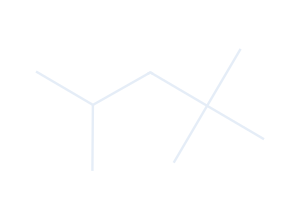 C4H10 + C4H8 -> C8H18Gives 2,2,4-trimethylpentane, the octane reference.
Apparecchiature principali
- Contactor reactor
- Acid settler
- Refrigeration compressor (sulphuric)
- Deisobutaniser
- Acid regeneration
Sicurezza
Hydrofluoric acid is acutely toxic and can form aerosols on release, so these units follow strict API guidance. Sulphuric acid is corrosive and light hydrocarbons are flammable.
Si metta alla prova
What are the main feeds?
Correlati
- Fluid catalytic cracking (FCC and residue RFCC)Refinery process
- IsomerisationRefinery process
- LPG, gas plant and light ends recoveryRefinery process
- Product blending and additivesRefinery process
Fonti
Redatto con parole proprie di PST a partire dalle fonti sopra. Affidabilità dei dati: medium. Gli impianti reali differiscono per progetto e condizioni di esercizio.