Propylene to polypropylene
Petrochemical process
Polypropylene is made by polymerising propylene gas over Ziegler-Natta or metallocene catalysts. It is a light, tough plastic used in packaging, car parts, fibres and appliances.
- Carica
- Polymer-grade propylene, hydrogen for molecular weight control, small amounts of ethylene comonomer
- Produce
- Homopolymer PP, Random copolymer PP, Impact copolymer PP
- Temperatura
- About 60 to 80 (bulk process)
- Pressione
- About 30 to 40 atm (bulk process)
- Catalizzatore
- TiCl4 on MgCl2 with aluminium alkyl activator (Ziegler-Natta); zirconocene with MAO (metallocene)
Schema di processo
Cosa fa
Propylene from steam crackers, refinery units or propane dehydrogenation is purified and fed to a reactor with a solid catalyst. The catalyst controls how the methyl groups sit along the chain (tacticity), and commercial polymer is mostly isotactic, which gives a semi-crystalline, stiff material. Three reactor types are common: bulk loops using liquid propylene, gas-phase fluidised beds, and slurry reactors with a light alkane diluent. Bulk processes run at roughly 60 to 80 C and 30 to 40 atmospheres. The polymer is separated from unreacted monomer, stabilised and pelletised.
Passo dopo passo
- Purify propylene and remove catalyst poisons
- Feed propylene and catalyst to the reactor
- Polymerise in a loop, fluidised-bed or slurry reactor
- Separate polymer and recycle monomer
- Deactivate catalyst and degas powder
- Compound with additives and pelletise
- Pack for export
La chimica
The C=C bond of propylene opens to form a chain with a methyl group on every second carbon. Isotactic polypropylene (all methyl groups on one side) is semi-crystalline, atactic polymer is soft and tacky.
Reazioni, illustrate atomo per atomo

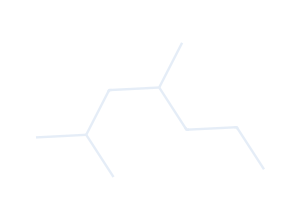 n C3H6 -> (C3H6)nThree propylene units joined; chain ends drawn as C-H.
Apparecchiature principali
- Loop reactor
- Fluidised-bed reactor
- Flash and degassing vessels
- Extruder
- Pelletiser
Sicurezza
Propylene is flammable and the catalyst and aluminium alkyls are pyrophoric, so reactor and catalyst handling are done under nitrogen with strict controls.
Nel Golfo
Polypropylene is produced in the Gulf by plants linked to crackers and propane dehydrogenation units, including Borouge in Ruwais and Oman's LIWA Plastics at Sohar, and in Kazakhstan by KPI at Atyrau. Specific plant capacities are given in the hub entries where they could be verified.
Si metta alla prova
Which catalyst family is typically used for isotactic polypropylene?
Correlati
- Steam crackingPetrochemical process
- Ethylene to polyethylene (HDPE, LDPE, LLDPE)Petrochemical process
- Naphtha as petrochemical feedPlant type
Fonti
Redatto con parole proprie di PST a partire dalle fonti sopra. Affidabilità dei dati: high. Gli impianti reali differiscono per progetto e condizioni di esercizio.