Steam cracking
Petrochemical process
Steam cracking breaks ethane, propane or naphtha into ethylene, propylene and other building blocks inside very hot furnace tubes. It is the starting point of most of the world's plastics chain.
- Carica
- Ethane, propane, LPG, naphtha or gas oil, diluted with steam
- Produce
- Ethylene, Propylene, C4 stream (butadiene), Pyrolysis gasoline (benzene, toluene, xylenes), Hydrogen, Methane (fuel gas)
- Temperatura
- About 850 (very short residence time, milliseconds)
- Catalizzatore
- None (thermal, non-catalytic)
Schema di processo
Cosa fa
Hydrocarbon feed is mixed with steam and passed through coils in a furnace, where it is heated to about 850 C for only a fraction of a second. At that temperature the molecules split into smaller, unsaturated ones, mainly ethylene and propylene. The hot gas is cooled very quickly in a quench step so the products do not react further, and heat is recovered as steam. The cooled gas is compressed, scrubbed of acid gases, dried and then separated in a cryogenic train of distillation columns. Light feeds such as ethane give mostly ethylene, while heavier naphtha gives a wider mix including propylene, butadiene and aromatic-rich pyrolysis gasoline.
Passo dopo passo
- Mix feed with dilution steam
- Crack in fired furnace coils
- Quench the hot gas and recover heat
- Compress the cracked gas in stages
- Remove acid gases (H2S, CO2) and dry the gas
- Demethanizer: take off hydrogen and methane
- Deethanizer and C2 splitter: ethylene from ethane
- Depropanizer, C3 splitter and debutanizer: propylene, C4s, pygas
La chimica
Cracking is a free-radical process in which C-C and C-H bonds break at high temperature. Ethane loses hydrogen to give ethylene, while larger molecules such as propane or hexane split into an alkene plus a smaller alkane. Higher severity (temperature) favours ethylene and aromatics.
Reazioni, illustrate atomo per atomo


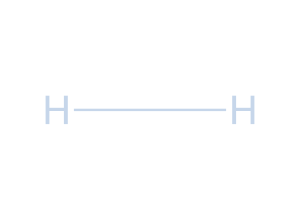 C2H6 -> C2H4 + H2Main reaction in ethane crackers; unconverted ethane is recycled to the furnace.

 C3H8 -> C2H4 + CH4One of several parallel routes; propane also gives propylene plus hydrogen.
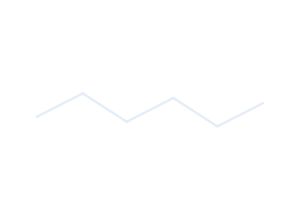
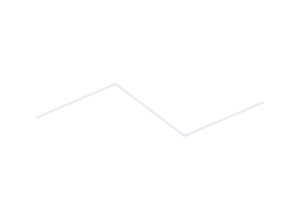 C6H14 -> C2H4 + C4H10Simplified model of how naphtha splits into an olefin and a smaller alkane.
Apparecchiature principali
- Cracking furnace
- Transfer-line exchangers
- Quench tower
- Cracked-gas compressor
- Caustic scrubber
- Dryers
- Cold box
- Demethanizer
- Ethylene splitter
Sicurezza
Furnaces run at very high temperature with hydrocarbons that are flammable, and cryogenic sections hold large inventories of ethylene. Coke removal (decoking) and tube-failure monitoring are routine safety tasks.
Nel Golfo
Gulf crackers are built around cheap associated-gas ethane, which is why Saudi Arabia, Qatar, the UAE and Kuwait are low-cost ethylene exporters. Jubail, Yanbu, Ruwais, Mesaieed and Ras Laffan all centre on steam crackers, while naphtha crackers are used where less ethane is available, as at Petro Rabigh on the Red Sea.
Si metta alla prova
At about what temperature do steam cracking furnaces operate?
Correlati
- Ethylene to polyethylene (HDPE, LDPE, LLDPE)Petrochemical process
- Propylene to polypropylenePetrochemical process
- Butadiene and C4 chemistryPetrochemical process
- Naphtha as petrochemical feedPlant type
- How a world-scale petrochemical complex is organisedPlant type
Fonti
Redatto con parole proprie di PST a partire dalle fonti sopra. Affidabilità dei dati: high. Gli impianti reali differiscono per progetto e condizioni di esercizio.