Fluid catalytic cracking (FCC and residue RFCC)
Refinery process
The FCC unit breaks heavy gas oil into gasoline, LPG olefins and diesel-range oil using a fine powder catalyst that circulates between a reactor and a regenerator. The residue version, RFCC, accepts heavier feeds.
- Carga de alimentação
- Vacuum gas oil, or atmospheric residue in RFCC
- Produz
- Cracked gasoline (FCC naphtha), Propylene and butylenes, Light cycle oil, Slurry oil, Fuel gas and coke (burned in the regenerator)
- Temperatura
- Reactor about 535; regenerator about 715
- Pressão
- Reactor about 1.7; regenerator about 2.4
- Catalisador
- Zeolite Y (faujasite) in an alumina and clay matrix
Fluxo do processo
O que faz
Vacuum gas oil is preheated and sprayed into the base of a tall riser where it meets very hot powdered catalyst. The oil vaporises and cracks in two to four seconds, producing gasoline-range hydrocarbons, propylene, butylenes and lighter oils. Coke forms on the catalyst surface and deactivates it, so spent catalyst is separated from vapour and moved to a regenerator where the coke is burned off with air, which heats the catalyst for reuse. The product vapour goes to a main fractionator that separates gas, naphtha, light cycle oil and a heavy slurry oil. A residue FCC adds catalyst cooling and metals management so it can process atmospheric or vacuum residue.
Passo a passo
- Preheated feed is sprayed into the riser base
- Hot regenerated catalyst vaporises the oil
- Cracking occurs as the mixture rises for seconds
- Cyclones separate spent catalyst from product vapour
- Spent catalyst is stripped with steam and sent to the regenerator
- Air burns the coke off the catalyst, reheating it
- Vapour goes to the main fractionator and gas plant
A química
Acidic catalyst sites form carbocations from hydrocarbons. These ions undergo carbon-carbon scission, hydride transfer, and isomerisation, which gives branched, high-octane gasoline and olefins such as propylene. The reaction is endothermic, and the heat comes from burning coke in the regenerator. Coke is hydrogen-poor carbon left behind as large molecules condense.
Reações, desenhadas átomo por átomo

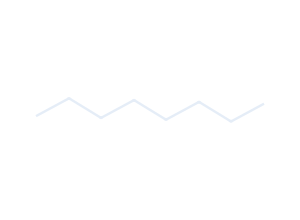
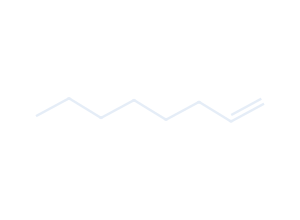 C16H34 -> C8H18 + C8H16Representative catalytic C-C scission giving an alkane and an olefin.
Equipamentos principais
- Riser
- Reactor vessel with cyclones
- Steam stripper
- Regenerator
- Main fractionator
- Wet gas compressor
- Catalyst coolers (RFCC)
Segurança
Hot catalyst and hydrocarbon mixtures can cause fires if air and oil meet, and regenerator conditions are severe. Catalyst fines and flue gas need emission control.
No Golfo
The Ruwais Refinery West complex, opened in 2014, is described as having the world's largest residue fluid catalytic cracking (RFCC) unit, handling 127,000 barrels of residue per day. Ruwais is operated by ADNOC.
Teste seus conhecimentos
What is burned off in the regenerator?
Relacionados
- Vacuum distillation (VDU)Refinery process
- HydrocrackingRefinery process
- Alkylation (sulphuric and HF)Refinery process
- Product blending and additivesRefinery process
- LPG, gas plant and light ends recoveryRefinery process
Fontes
- Fluid catalytic cracking (Wikipedia)
- Hydrocracking and cracking (Wikipedia)
- Ruwais Refinery (Wikipedia)
Redigido com as palavras da própria PST a partir das fontes acima. Confiabilidade dos dados: high. As plantas reais diferem em projeto e condições de operação.