Bitumen and solids
Oxidised Bitumen (Blown Bitumen)
Oxidised bitumen is made by blowing air through hot bitumen. It is harder and less temperature-sensitive than paving bitumen.
← Todos os produtosTambém chamado de: Blown bitumen, Industrial bitumen, 85/25, 115/15, Roofing bitumen
- Ponto de fulgorTypically above 240 C (varies by grade)
- Densidade1020 to 1060 kg/m³
- ViscosidadeSoftening point 85 to 115 C
- Enxofre1 to 4%
- PerigoUN3257 for hot bitumen shipped as an elevated temperature liquid, Class 9 (elevated temperature liquid, n.o.s., at or above 100 C and below its flash point)
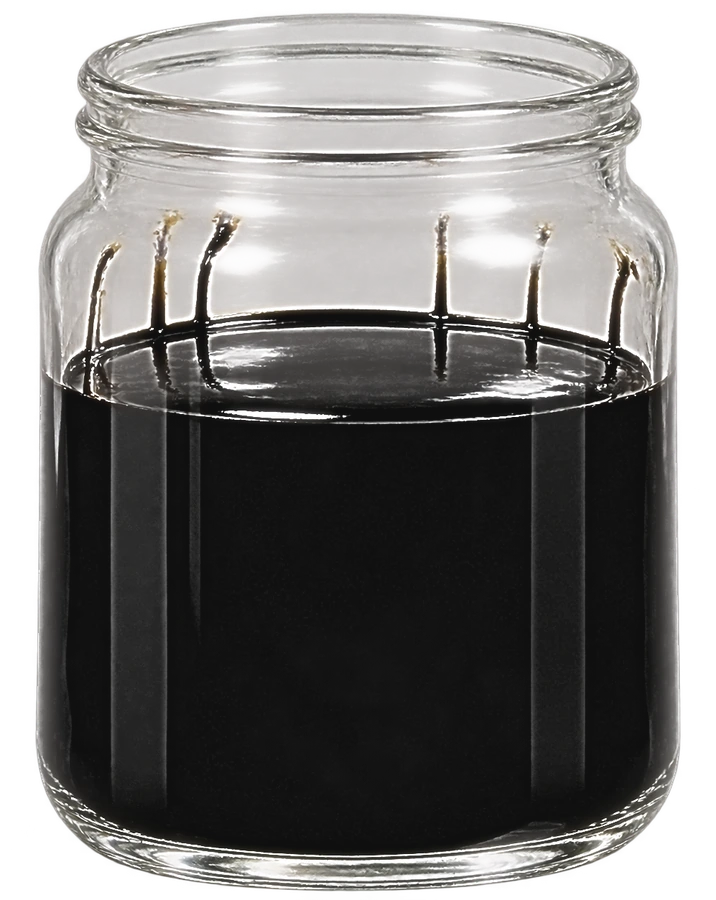
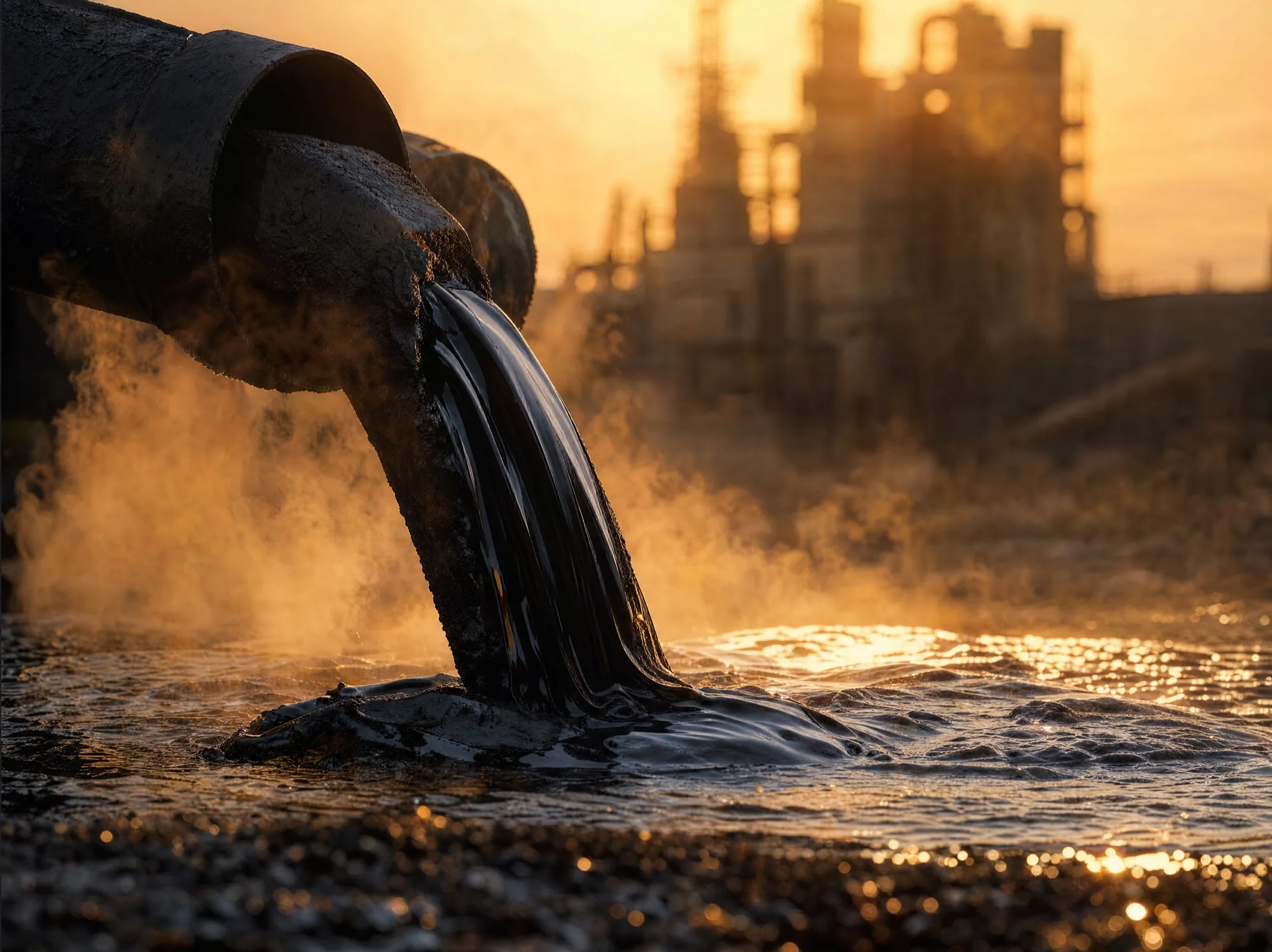
Créditos das imagens As amostras em vidro de laboratório foram feitas a partir de fotografias de referência da Wikimedia Commons por Chemik10 (CC BY-SA 2.5) e uma foto de amostra de petróleo em CC0.
Agite o líquido para sentir a sua espessura
Passe o rato ou um dedo sobre o líquido. Prima e arraste para agitar com mais força. Teclado: as setas agitam, a barra de espaço sacode.
Semissólido Semissólido à temperatura normal. Apenas se arrasta e precisa de aquecimento para ser bombeado.
Viscosidade típica segundo os dadosSoftening point 85 to 115 C
- Velocidade de agitação
- 0 px/s
- Movimento do líquido
- 0%
- Assentou após
- -
- Superfície
- Parado
A classe é apenas uma referência de sensação. O valor de viscosidade apresentado é o dos dados da especificação.
Aspecto esperado
Black, hard
Onde é usado
- Roofing
- Waterproofing
- Pipe coating
- Sealants
Manuseamento e segurança
- Store in insulated, heated tanks at 150 to 180 C; do not hold above 200 C for long because it ages and can foam if water is present. Avoid water contact (violent boiling). Sample with a heated sampler per ASTM D140 or EN 58 and test penetration, softening point and flash point. Trucks and ships need heating coils and loading arms with steam or thermal oil tracing.
- Typically stored and moved at about 150 C (Wikipedia). Hot bitumen causes severe burns, and fumes can contain H2S and polycyclic aromatics. Check the local ADR/IMDG classification, which depends on the product and temperature.
Propriedades típicas
- Aparência
- Black, hard
- Densidade a 15 °C
- 1020 to 1060 kg/m³
- Ponto de fulgor
- Typically above 240 C (varies by grade)
- Viscosidade
- Softening point 85 to 115 C
- Ponto de fluidez
- Not applicable
- Enxofre típico
- 1 to 4%
◉What it is
Blown bitumen is partly oxidised with air at high temperature after distillation, making it harder (Wikipedia). Grades such as 85/25 and 115/15 are named by softening point and penetration. It is used for roofing felts, waterproofing, pipe coating, and as a sealant. It is less suitable for roads because it is brittle at low temperature.
⬡What it is made of
Asphaltene-rich bitumen.
⚛A química
Oxygen causes dehydrogenation and linking of molecules, raising asphaltene content and softening point.
⚙How it is made
Bitumen is heated to 230 to 280 C in a blowing tower and air is bubbled through for hours.
▶How it works
Lower penetration and higher softening point give resistance to flow at high temperature.
▣Storage, loading and inspection
Store in insulated, heated tanks at 150 to 180 C; do not hold above 200 C for long because it ages and can foam if water is present. Avoid water contact (violent boiling). Sample with a heated sampler per ASTM D140 or EN 58 and test penetration, softening point and flash point. Trucks and ships need heating coils and loading arms with steam or thermal oil tracing.
★Why it matters in the Gulf
Oxidised grades are used for roofing and pipe coating. Gulf production and export details are not stated.
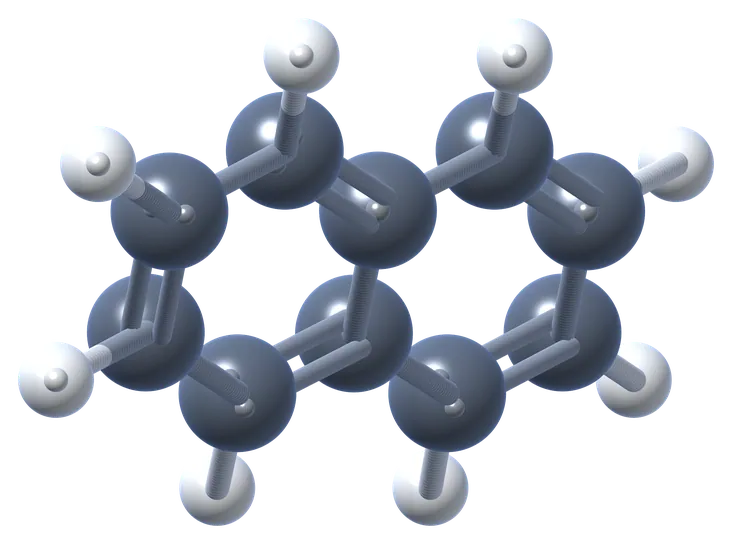
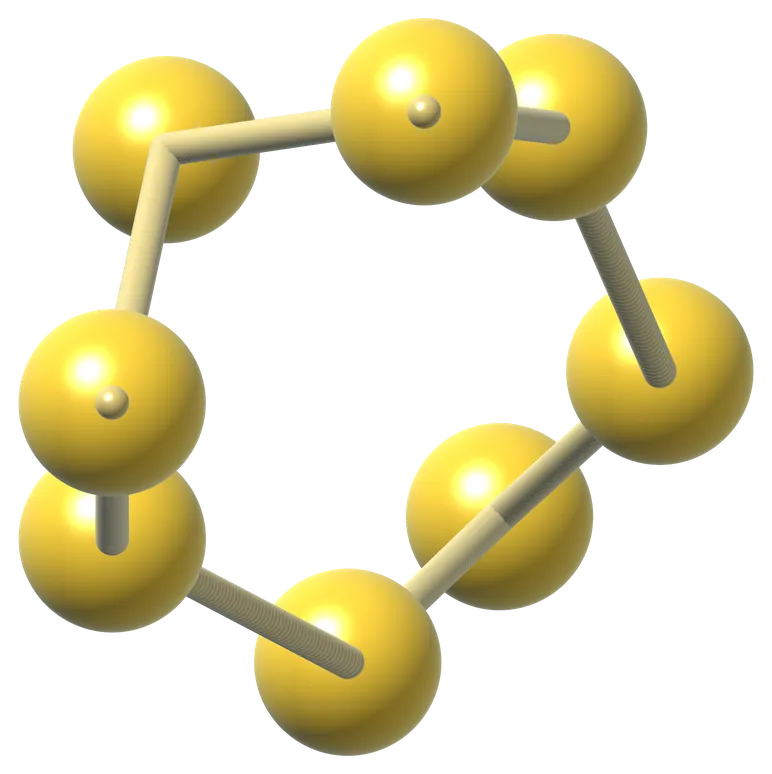
Moléculas principais
Normas e especificações
| EN 13304 | European framework specification for oxidised bitumens. |
|---|---|
| ASTM D312 | Asphalt used in roofing. |
| IS 702 | Indian standard for industrial bitumen. |
Riscos
Typically stored and moved at about 150 C (Wikipedia). Hot bitumen causes severe burns, and fumes can contain H2S and polycyclic aromatics. Check the local ADR/IMDG classification, which depends on the product and temperature.
Como é negociado
Units
Metric tonnes; bags; drums
Benchmarks
Contract
Typical cargo
Drums, bags, bulk
Incoterms
FOB, CIF
Notes
Specialty.
Refinarias que o produzem: nossas sugestões
54 refinarias listadas produzem este produto, 17 delas no Golfo, no Irã e no Iraque. Ordenamos primeiro as unidades do Golfo, depois as em operação e, por fim, por capacidade.
- 1Ras Tanura Refinery
 Saudi Arabia · 550,000 bpdLargest capacity among Gulf-first matchesGulf locationOperatingDeep conversionAcesso de exportação
- 2Mina Al-Ahmadi Refinery
 Kuwait · 346,000 bpdGulf locationOperatingAcesso de exportação
- 3Arak (Imam Khomeini) Refinery
 Iran · 250,000 bpdGulf locationOperating
- 4Daura Refinery
 Iraq · 140,000 bpdGulf locationOperating
- 5Karbala Refinery Iraq · 140,000 bpdGulf locationOperating
- 6Riyadh Refinery Saudi Arabia · 126,000 bpdGulf locationOperatingDeep conversion





Terminais que o movimentam
- Torosport Ceyhan Bitumen Terminal
 Turkey
- Heydar Aliyev Baku Oil Refinery
 Azerbaijan
- Turkmenbashi Oil Refinery
 Turkmenistan
- Seydi Oil Refinery Turkmenistan

Você sabia
💡 Blown bitumen is partly oxidised with air at high temperature, which makes it harder (Wikipedia).
💡 Roofing membranes rely on it.
Teste seus conhecimentos sobre Oxidised Bitumen (Blown Bitumen)
How is oxidised bitumen made?
Mais neste grupo
- Bitumen 40/50, 60/70 and 80/100 (Paving Grades)
- Polymer Modified Bitumen (PMB)
- Cutback Bitumen
- Bitumen Emulsion
- Petroleum Coke (Green, Calcined, Fuel Grade)
- Sulphur (Granular and Molten)
Fontes
Redigido com as palavras da própria PST a partir das fontes acima. Confiabilidade dos dados: medium. Os valores típicos variam conforme a origem e o contrato, por isso leia sempre a especificação do seu próprio contrato.