Lubricants and waxes
Base Oil Group I (SN 150, SN 500, Bright Stock)
Group I base oils are solvent-refined mineral oils with less than 90 percent saturates and/or more than 0.03 percent sulphur, and a viscosity index of 80 to under 120. SN 150, SN 500 and bright stock are common viscosity grades.
← كل المنتجاتيُسمى أيضاً: Group I base oil, Solvent refined base oil, SN 150, SN 500, Bright stock, Solvent neutral
- نقطة الوميضSN 150 about 210 C; SN 500 about 240 C; bright stock about 290 C (open cup)
- الكثافة860 to 900 kg/m³
- اللزوجةSN 150: about 30 mm2/s at 40 C; SN 500: about 100 mm2/s at 40 C; bright stock: about 30 mm2/s at 100 C
- الانسياب على الباردSN 150 about -9 C; SN 500 about -9 to -6 C; bright stock about -6 C to 0 C
- الكبريت0.03% to 1% (above 0.03% by definition)
- مدى الغليان300 to 600 °C
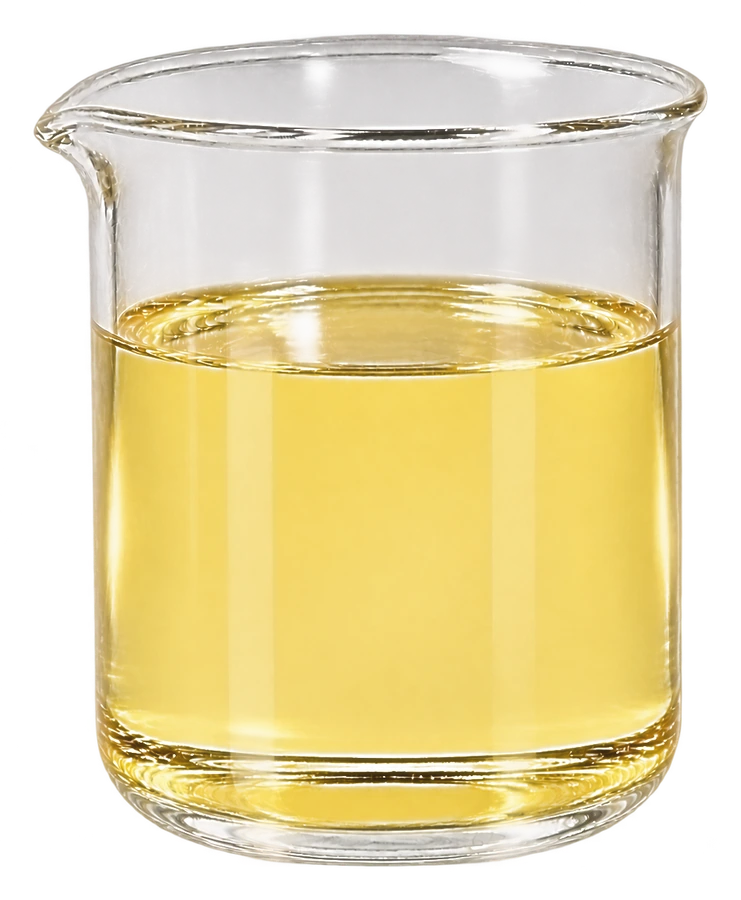
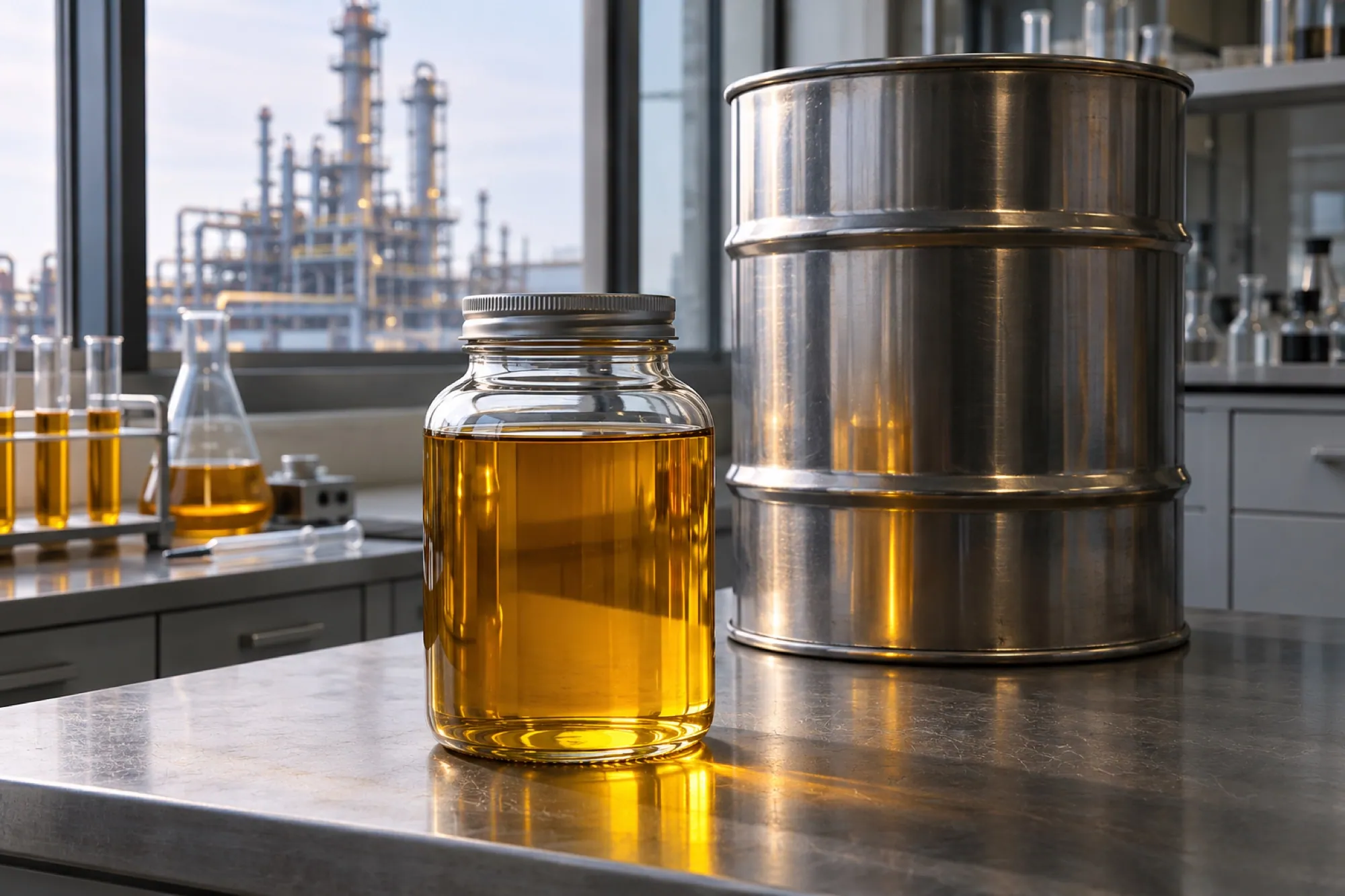
حقوق الصور عينات الزجاج المختبري مصنوعة من صور مرجعية على ويكيميديا كومنز بواسطة Chemik10 (CC BY-SA 2.5) وصورة عينة بترولية بترخيص CC0.
حرّك السائل لتحس بمدى لزوجته
حرّك الفأرة أو إصبعك فوق السائل. اضغط واسحب للتحريك بقوة أكبر. لوحة المفاتيح: الأسهم للتحريك، المسافة للرج.
لزج ثقيل. يقاوم التحريك ولا يتحرك إلا ببطء.
اللزوجة المعتادة من البياناتSN 150: about 30 mm2/s at 40 C; SN 500: about 100 mm2/s at 40 C; bright stock: about 30 mm2/s at 100 C
- سرعة التحريك
- 0 بكسل/ث
- حركة السائل
- 0%
- يستقر بعد
- -
- السطح
- ساكن
الفئة دليل تقريبي للإحساس. رقم اللزوجة المعروض هو الوارد في بيانات المواصفات.
مظهره
Light yellow to amber, bright
أين يُستخدم
- Engine oils (older formulations)
- Industrial and marine lubricants
- Greases
- Metalworking fluids
- Rubber process oils
المناولة والسلامة
- Store in clean, dry closed tanks away from heat. Keep different grades separate to avoid contamination. Sample per ASTM D4057; inspect colour, viscosity, flash point and water. Drums, IBCs and flexitanks are common packaging.
- Combustible at high temperature. Hot product causes burns. Low acute toxicity; mist inhalation and prolonged skin contact should be avoided.
الخصائص المعتادة
- المظهر
- Light yellow to amber, bright
- الكثافة عند 15 °C
- 860 to 900 kg/m³
- مدى الغليان
- 300 to 600 °C
- نقطة الوميض
- SN 150 about 210 C; SN 500 about 240 C; bright stock about 290 C (open cup)
- اللزوجة
- SN 150: about 30 mm2/s at 40 C; SN 500: about 100 mm2/s at 40 C; bright stock: about 30 mm2/s at 100 C
- نقطة الانسكاب
- SN 150 about -9 C; SN 500 about -9 to -6 C; bright stock about -6 C to 0 C
- الكبريت المعتاد
- 0.03% to 1% (above 0.03% by definition)
◉What it is
Group I is the oldest and least refined API base oil category. It is made from vacuum distillates and deasphalted residue using solvents to remove aromatics and wax. API defines it as having less than 90 percent saturates and/or more than 0.03 percent sulphur, with a viscosity index of 80 to under 120 (Wikipedia). SN means solvent neutral, and the number is roughly the viscosity in Saybolt seconds at 100 F: SN 150 is a light grade, SN 500 a medium-heavy grade. Bright stock is the heaviest grade, made from deasphalted vacuum residue, with a viscosity of about 30 mm2/s at 100 C.
⬡What it is made of
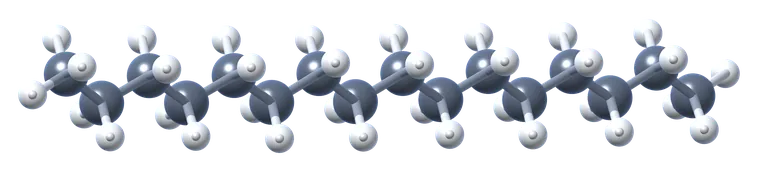
C26 to C40 paraffins, naphthenes and aromatics (Wikipedia: 26 to 40 carbon fraction).
⚛الكيمياء
The oil contains branched and cyclic hydrocarbons. Remaining aromatics and sulphur compounds oxidise more easily than saturates, which limits oil life. Solvent refining removes polar aromatics, raising viscosity index.
⚙How it is made
Vacuum distillates are extracted with furfural or NMP to remove aromatics, dewaxed with MEK or toluene solvent, and finally hydrofinished. Bright stock comes from propane-deasphalted vacuum residue.
▶How it works
Base oil makes up 70 to 99 percent of a lubricant. Viscosity grade decides film thickness; viscosity index measures how little viscosity changes with temperature; saturates and low sulphur control oxidation stability.
▣Storage, loading and inspection
Store in clean, dry closed tanks away from heat. Keep different grades separate to avoid contamination. Sample per ASTM D4057; inspect colour, viscosity, flash point and water. Drums, IBCs and flexitanks are common packaging.
★Why it matters in the Gulf
Group I base oil supply is concentrated in a few regional lube plants and is shrinking worldwide as Group II and III grow. Gulf plant lists and volumes are not stated.
الجزيئات الرئيسية

المعايير والمواصفات
| API 1509 Annex E | Defines base oil groups I to V |
|---|---|
| ASTM D445 | Kinematic viscosity |
| ASTM D2270 | Viscosity index |
المخاطر
Combustible at high temperature. Hot product causes burns. Low acute toxicity; mist inhalation and prolonged skin contact should be avoided.
كيف يُتداول
Units
Metric tonnes; drums; flexitanks of 20 to 24 mt
Benchmarks
Platts Group I base oil assessments (SN 150, SN 500, bright stock) FOB Arab Gulf and Northwest Europe
Typical cargo
Parcels of 500 to 5,000 mt on small product tankers; containers
Incoterms
FOB, CFR, CIF; drums and ISO tanks FCA or DAP
Notes
Group I supply is shrinking as refiners shut solvent plants.
المصافي التي تنتجه: ترشيحاتنا
38 من المصافي المدرجة تنتج هذا المنتج، منها 18 في الخليج وإيران والعراق. نرتّب مصانع الخليج أولاً، ثم المصانع العاملة، ثم بحسب الطاقة.
- 1Ruwais Refinery
 United Arab Emirates · 922,000 bpdLargest capacity among Gulf-first matchesGulf locationOperatingDeep conversionإمكانية التصدير
- 2Daura Refinery
 Iraq · 140,000 bpdGulf locationOperating
- 3Pearl GTL
 Qatar · 140,000 bpdGulf locationOperatingإمكانية التصدير
- 4Najaf Refinery Iraq · 30,000 bpdGulf locationOperating
- 5Bahrain Lube Base Oil Plant (BLBOC)
 Bahrain · 8,000 bpdGulf locationOperatingإمكانية التصدير
- 6Sepahan Oil Company
 Iran · Not publishedGulf locationOperatingإمكانية التصدير




المحطات التي تتعامل معه
- Gulf Petrochem Hamriyah terminal United Arab Emirates
- Regal Petro Trading terminal, Hamriyah United Arab Emirates
- Sharafco Petroleum terminal, Hamriyah United Arab Emirates
- Sharlu base oil terminal, Hamriyah United Arab Emirates
هل تعلم
💡 Bright stock is the heaviest Group I grade and is used in gear oils and greases.
💡 Group I output is falling worldwide as Group II and III oils gain share.
اختبر نفسك في Base Oil Group I (SN 150, SN 500, Bright Stock)
What do Group I oils have by definition?
المزيد في هذه المجموعة
المصادر
كُتب بأسلوب PST من المصادر أعلاه. الثقة في البيانات: medium. تختلف القيم المعتادة بحسب المنشأ والعقد، فاقرأ دائماً المواصفات الواردة في عقدك.