Visbreaking
Refinery process
Visbreaking is a mild thermal cracking process that lowers the viscosity of vacuum residue. It lets refiners blend fuel oil with less expensive diluent or make extra middle distillate.
- Feed
- Vacuum residue (sometimes atmospheric residue)
- Makes
- Visbroken tar (fuel oil component), Gas oil, Naphtha, Gas and LPG
- Temperature
- About 425 for mild cracking, up to about 500 for very severe
- Catalyst
- None (thermal process)
Process flow
What it does
Vacuum residue is thick and would need large amounts of lighter oil to make marketable fuel oil. A visbreaker heats the residue in a furnace to a controlled severity so a modest amount of cracking occurs. The product is thinner, with the same sulphur content but lower viscosity, and some gas, naphtha and gas oil are formed. Two designs exist: coil units crack in the furnace tubes, while soaker units hold the oil in a drum after the furnace at a lower temperature. Severity is limited because over-cracking makes the fuel oil unstable and causes sediment.
Step by step
- Residue is preheated
- A furnace heats it to the chosen severity
- Coil design cracks in the tubes; soaker design holds the oil in a drum
- The effluent is quenched to stop reactions
- Fractionation separates gas, naphtha and gas oil
- Tar from the bottom may be vacuum flashed
- Reduced-viscosity residue goes to fuel oil
The chemistry
Heat breaks the long alkyl side chains and bridges of residue molecules by free-radical cracking, giving smaller molecules that act as a thinner carrier for the heavy asphaltenes. Too much conversion makes asphaltenes drop out as sediment.
Reactions, drawn atom by atom


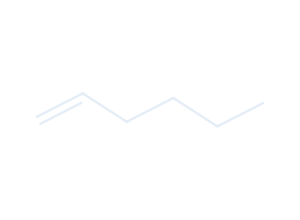 C12H26 -> C6H14 + C6H12Chain scission to smaller alkane and alkene.
Typical yields
- 76% Tar
- 15% Middle distillates
- 6% Gasoline
- 3% Gas and LPG
Main equipment
- Visbreaker furnace
- Soaker drum
- Fractionator
- Vacuum flasher (optional)
Safety
Furnace tube coking can lead to hot spots and tube failure; hot tar is a fire and burn hazard.
Test yourself
What does visbreaking mainly reduce?
Related
- Vacuum distillation (VDU)Refinery process
- Delayed cokingRefinery process
- Solvent deasphaltingRefinery process
Sources
Written in PST's own words from the sources above. Confidence in the data: high. Real plants differ in design and operating conditions.