Bitumen and solids
Bitumen 40/50, 60/70 and 80/100 (Paving Grades)
Paving grade bitumen is a black, sticky binder graded by how deep a standard needle sinks into it. In the EN 12591 range the grades run from 35/50 (hardest) to 160/220 (softest), and other standards also use grades such as 60/70 and 80/100.
← Todos los productosTambién llamado: Penetration grade bitumen, Asphalt cement, Bitumen 60/70, Bitumen 80/100, Bitumen 40/50, Asphalt binder
- Punto de inflamaciónAbove about 230 C (Cleveland open cup) for most grades
- Densidad1000 to 1060 kg/m³
- ViscosidadGraded by penetration at 25 C; softening point roughly 45 to 58 C depending on grade
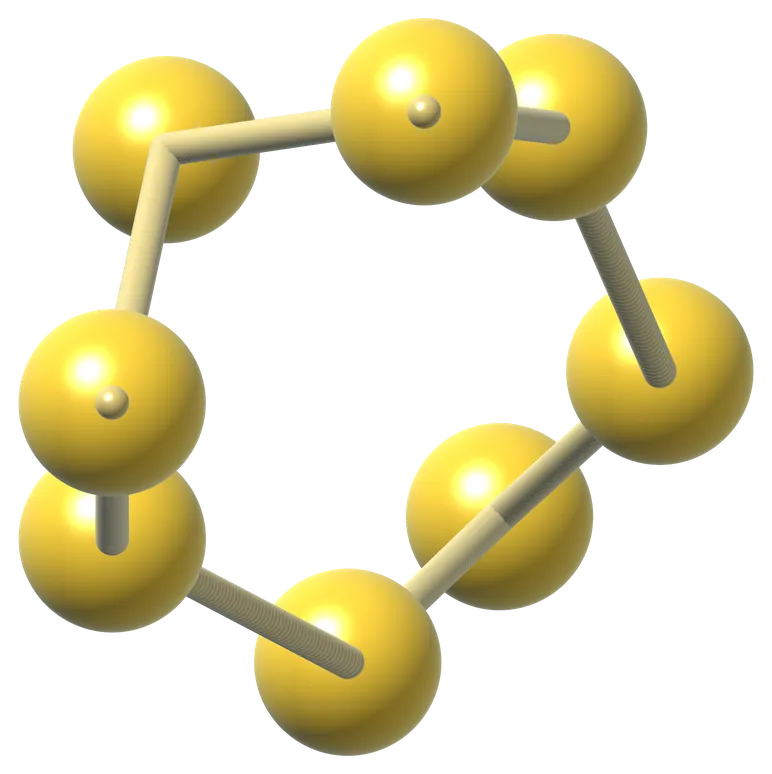
- Azufre1 to 6% depending on crude
- PeligroUN3257 for hot bitumen shipped as an elevated temperature liquid, Class 9 (elevated temperature liquid, n.o.s., at or above 100 C and below its flash point)
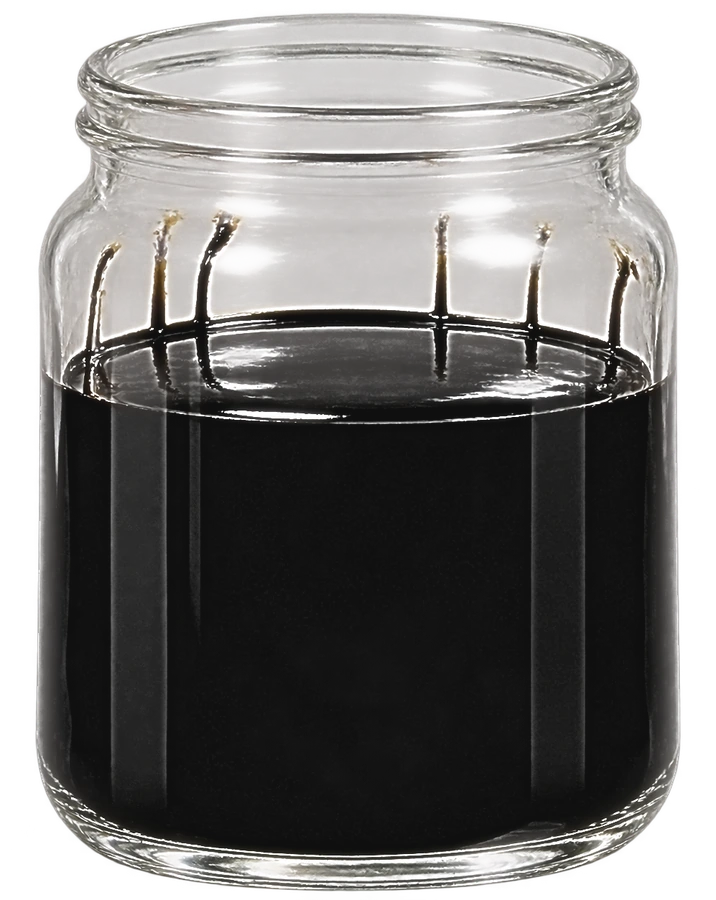

Créditos de las imágenes Las muestras en vidrio de laboratorio se elaboran a partir de fotos de referencia de Wikimedia Commons de Chemik10 (CC BY-SA 2.5) y una foto de muestra de petróleo CC0.
Agite el líquido para sentir su espesor
Mueva el ratón o un dedo sobre el líquido. Mantenga pulsado y arrastre para agitar con más fuerza. Teclado: las flechas agitan, la barra espaciadora sacude.
Semisólido Semisólido a temperatura normal. Solo se arrastra y hay que calentarlo para bombearlo.
Viscosidad típica según los datosGraded by penetration at 25 C; softening point roughly 45 to 58 C depending on grade
- Velocidad de agitación
- 0 px/s
- Movimiento del líquido
- 0%
- Se calma tras
- -
- Superficie
- Quieto
La clase es solo una guía de sensación. La viscosidad indicada es la de los datos de la especificación.
Aspecto
Black, glossy at hot, brittle when cold
Dónde se utiliza
- Road paving
- Airport runways
- Roofing and waterproofing
- Hot-mix asphalt in ports and car parks
Manipulación y seguridad
- Store in insulated, heated tanks at 150 to 180 C; do not hold above 200 C for long because it ages and can foam if water is present. Avoid water contact (violent boiling). Sample with a heated sampler per ASTM D140 or EN 58 and test penetration, softening point and flash point. Trucks and ships need heating coils and loading arms with steam or thermal oil tracing.
- Typically stored and moved at about 150 C (Wikipedia). Hot bitumen causes severe burns, and fumes can contain H2S and polycyclic aromatics. Check the local ADR/IMDG classification, which depends on the product and temperature.
Propiedades típicas
- Aspecto
- Black, glossy at hot, brittle when cold
- Densidad a 15 °C
- 1000 to 1060 kg/m³
- Punto de inflamación
- Above about 230 C (Cleveland open cup) for most grades
- Viscosidad
- Graded by penetration at 25 C; softening point roughly 45 to 58 C depending on grade
- Punto de fluidez
- Not applicable
- Azufre típico
- 1 to 6% depending on crude
◉What it is
Bitumen is the heavy residue of crude distillation. Wikipedia describes it as the heavy fraction boiling above about 500 C after vacuum distillation. Paving grades are defined by penetration at 25 C in tenths of a millimetre: 40/50 means 40 to 50 units. Hard grades such as 40/50 resist rutting in hot climates and heavy traffic, while softer grades like 80/100 resist cracking in cold climates. It is stored and moved at about 150 C.
⬡What it is made of
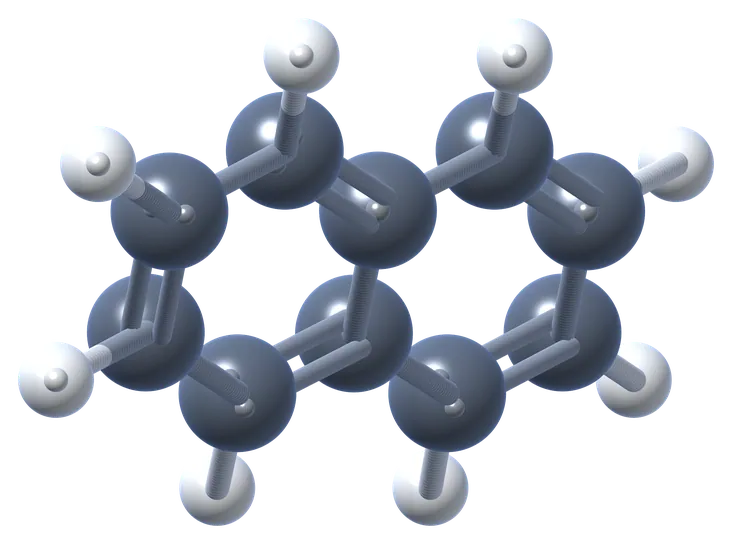
C40+ asphaltenes, resins, saturates and aromatics; sulphur 1 to 6%.
⚛La química
Bitumen is a colloidal system: asphaltene clusters dispersed in an oily maltene phase of resins, aromatics and saturates. The ratio decides stiffness. More asphaltenes make a harder bitumen.
⚙How it is made
Vacuum distillation residue from suitable crude oils (such as heavy Middle East crudes) is the base. Air blowing or blending of hard and soft components adjusts penetration.
▶How it works
Penetration (ASTM D5, EN 1426), softening point (ASTM D36, EN 1427) and viscosity are used to measure stiffness. It binds aggregate in asphalt concrete, becoming fluid at 150 C and solid at ambient temperature.
▣Storage, loading and inspection
Store in insulated, heated tanks at 150 to 180 C; do not hold above 200 C for long because it ages and can foam if water is present. Avoid water contact (violent boiling). Sample with a heated sampler per ASTM D140 or EN 58 and test penetration, softening point and flash point. Trucks and ships need heating coils and loading arms with steam or thermal oil tracing.
★Why it matters in the Gulf
The GCC consumes large volumes of bitumen in road and airport projects, and Gulf and Iranian bitumen is traded to Central Asia and East Africa. Refinery-by-refinery supply and export volumes are not stated.
Moléculas clave
Normas y especificaciones
| EN 12591 | European specification for paving grade bitumens (penetration grades). |
|---|---|
| ASTM D946 | US penetration-graded asphalt cement. |
| ASTM D3381 | Viscosity-graded asphalt cement. |
| AASHTO M 320 | Performance-graded asphalt binder. |
Peligros
Typically stored and moved at about 150 C (Wikipedia). Hot bitumen causes severe burns, and fumes can contain H2S and polycyclic aromatics. Check the local ADR/IMDG classification, which depends on the product and temperature.
Cómo se comercializa
Units
Metric tonnes
Benchmarks
Contract-based; price tracks crude oil and fuel oil; no futures
Typical cargo
Bulk bitumen vessels 3,000 to 20,000 mt; ISO tanks; drums
Incoterms
FOB, CFR, CIF bulk; ISO tank FCA
Notes
Penetration grades such as 60/70 are common export trade grades. Origin and volume data are not stated.
Refinerías que lo producen: nuestras sugerencias
54 refinerías de la lista producen este producto, 17 de ellas en el Golfo, Irán e Irak. Ordenamos primero las plantas del Golfo, después las que están en operación y luego por capacidad.
- 1Ras Tanura Refinery
 Saudi Arabia · 550,000 bpdLargest capacity among Gulf-first matchesGulf locationOperatingDeep conversionAcceso de exportación
- 2Mina Al-Ahmadi Refinery
 Kuwait · 346,000 bpdGulf locationOperatingAcceso de exportación
- 3Arak (Imam Khomeini) Refinery
 Iran · 250,000 bpdGulf locationOperating
- 4Daura Refinery
 Iraq · 140,000 bpdGulf locationOperating
- 5Karbala Refinery Iraq · 140,000 bpdGulf locationOperating
- 6Riyadh Refinery Saudi Arabia · 126,000 bpdGulf locationOperatingDeep conversion





Terminales que lo manipulan
- Torosport Ceyhan Bitumen Terminal
 Turkey
- Heydar Aliyev Baku Oil Refinery
 Azerbaijan
- Turkmenbashi Oil Refinery
 Turkmenistan
- Seydi Oil Refinery Turkmenistan

¿Sabía que…?
💡 In American usage asphalt means bitumen, and asphalt concrete is the paving mix with stone (Wikipedia).
💡 Natural bitumen from the Dead Sea was used by the Egyptians for embalming (Wikipedia).
Póngase a prueba sobre Bitumen 40/50, 60/70 and 80/100 (Paving Grades)
What does 60/70 mean?
Más de este grupo
- Polymer Modified Bitumen (PMB)
- Cutback Bitumen
- Bitumen Emulsion
- Oxidised Bitumen (Blown Bitumen)
- Petroleum Coke (Green, Calcined, Fuel Grade)
- Sulphur (Granular and Molten)
Fuentes
Redactado con palabras propias de PST a partir de las fuentes anteriores. Fiabilidad de los datos: medium. Los valores típicos varían según el origen y el contrato, por lo que debe leer siempre la especificación de su propio contrato.