Bitumen and solids
Cutback Bitumen
Cutback bitumen is bitumen thinned with a petroleum solvent so it can be applied cold. The solvent evaporates and leaves the hard bitumen.
← Todos los productosTambién llamado: Cut-back bitumen, RC, MC, SC cutbacks, Road oil, Rapid curing cutback
- Densidad920 to 1000 kg/m³
- Azufre1 to 4%
- PeligroUN1999, Class 3 flammable liquid (tars, liquid, including road oils and cutback bitumens)
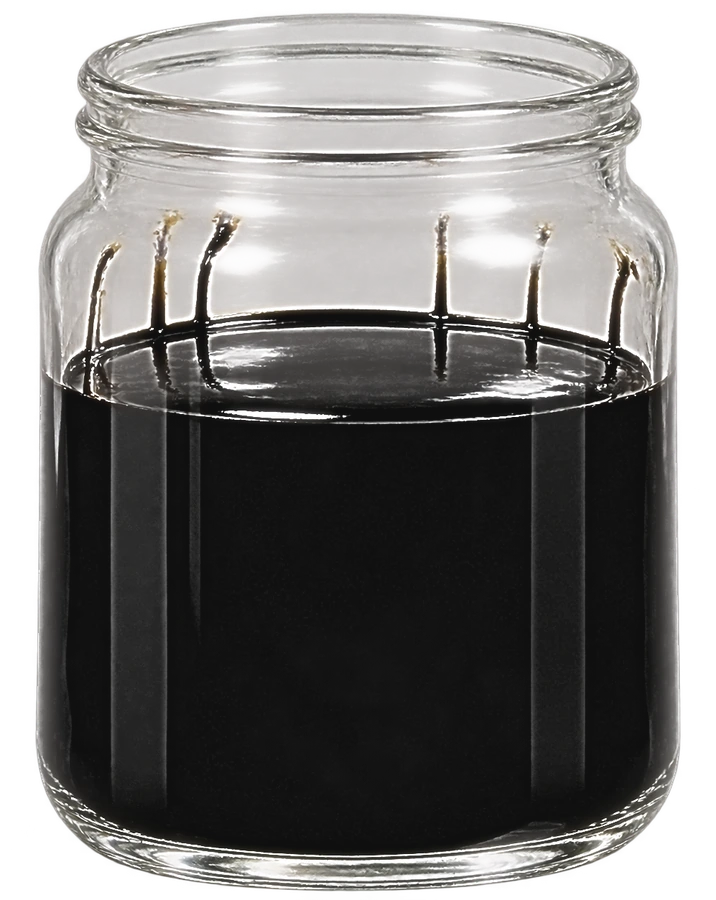
Créditos de las imágenes Las muestras en vidrio de laboratorio se elaboran a partir de fotos de referencia de Wikimedia Commons de Chemik10 (CC BY-SA 2.5) y una foto de muestra de petróleo CC0.
Agite el líquido para sentir su espesor
Mueva el ratón o un dedo sobre el líquido. Mantenga pulsado y arrastre para agitar con más fuerza. Teclado: las flechas agitan, la barra espaciadora sacude.
Espeso Pesado. Se resiste a la agitación y solo se mueve despacio.
- Velocidad de agitación
- 0 px/s
- Movimiento del líquido
- 0%
- Se calma tras
- -
- Superficie
- Quieto
La clase es solo una guía de sensación. La viscosidad indicada es la de los datos de la especificación.
Aspecto
Dark brown to black liquid
Dónde se utiliza
- Prime coat on granular base
- Tack coat
- Cold mix patching
Manipulación y seguridad
- Store in insulated, heated tanks at 60 to 100 C; do not hold above 200 C for long because it ages and can foam if water is present. Avoid water contact (violent boiling). Sample with a heated sampler per ASTM D140 or EN 58 and test penetration, softening point and flash point. Trucks and ships need heating coils and loading arms with steam or thermal oil tracing. Flammable solvent: no open flame.
- Flammable vapour; keep away from ignition.
Propiedades típicas
- Aspecto
- Dark brown to black liquid
- Densidad a 15 °C
- 920 to 1000 kg/m³
- Viscosidad
- Measured by Saybolt Furol or Engler viscosity
- Punto de fluidez
- Not applicable
- Azufre típico
- 1 to 4%
◉What it is
Cutback bitumen is made by dissolving bitumen in a volatile solvent such as naphtha, kerosene or diesel. The solvent type decides the curing speed: rapid curing (RC) uses naphtha, medium curing (MC) uses kerosene and slow curing (SC) uses gasoil. It is used for tack coats, prime coats and cold patching. Cutbacks emit volatile organic compounds, so many countries have shifted to emulsions.
⬡What it is made of
Bitumen 60 to 80% plus solvent 20 to 40%.
⚛La química
Solvent molecules lower the viscosity by breaking asphaltene clusters. After spraying, the solvent evaporates and the bitumen hardens.
⚙How it is made
Hot bitumen is blended with solvent at 100 to 140 C in tanks.
▶How it works
Applied by spray at 20 to 80 C, the solvent evaporates (cure) over minutes (RC) to days (SC).
▣Storage, loading and inspection
Store in insulated, heated tanks at 60 to 100 C; do not hold above 200 C for long because it ages and can foam if water is present. Avoid water contact (violent boiling). Sample with a heated sampler per ASTM D140 or EN 58 and test penetration, softening point and flash point. Trucks and ships need heating coils and loading arms with steam or thermal oil tracing. Flammable solvent: no open flame.
★Why it matters in the Gulf
Cutbacks are used in road works for prime coats, and VOC rules push use toward emulsions. Regional volumes are not stated.
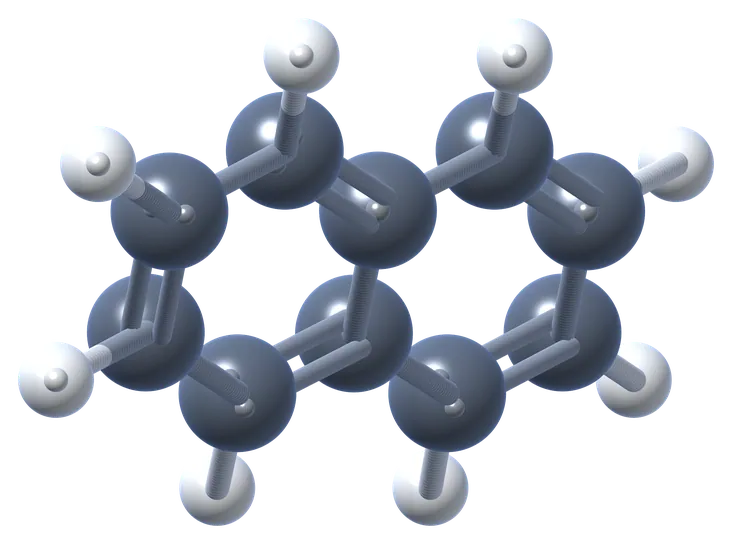
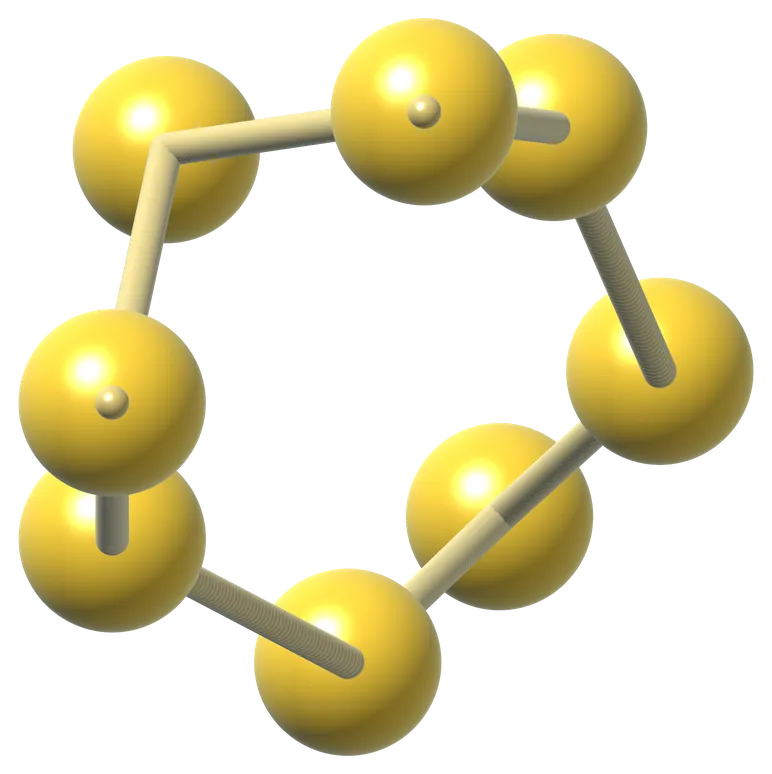
Moléculas clave
Normas y especificaciones
| ASTM D2028 | Rapid curing cutback |
|---|---|
| ASTM D2027 | Medium curing cutback |
| ASTM D2026 | Slow curing cutback |
| IS 217 | India cutback bitumen |
Peligros
Flammable vapour; keep away from ignition.
Cómo se comercializa
Units
Metric tonnes; drums
Benchmarks
Contract
Typical cargo
Bulk or drums
Incoterms
FOB, DAP
Notes
Trade is smaller than for bitumen.
Refinerías que lo producen: nuestras sugerencias
54 refinerías de la lista producen este producto, 17 de ellas en el Golfo, Irán e Irak. Ordenamos primero las plantas del Golfo, después las que están en operación y luego por capacidad.
- 1Ras Tanura Refinery
 Saudi Arabia · 550,000 bpdLargest capacity among Gulf-first matchesGulf locationOperatingDeep conversionAcceso de exportación
- 2Mina Al-Ahmadi Refinery
 Kuwait · 346,000 bpdGulf locationOperatingAcceso de exportación
- 3Arak (Imam Khomeini) Refinery
 Iran · 250,000 bpdGulf locationOperating
- 4Daura Refinery
 Iraq · 140,000 bpdGulf locationOperating
- 5Karbala Refinery Iraq · 140,000 bpdGulf locationOperating
- 6Riyadh Refinery Saudi Arabia · 126,000 bpdGulf locationOperatingDeep conversion



Terminales que lo manipulan
- Torosport Ceyhan Bitumen Terminal
 Turkey
- Heydar Aliyev Baku Oil Refinery
 Azerbaijan
- Turkmenbashi Oil Refinery
 Turkmenistan
- Seydi Oil Refinery Turkmenistan

¿Sabía que…?
💡 Cutback production is decreasing because solvents evaporate as VOCs.
💡 Bitumen is sometimes mixed with diesel oil or kerosene before shipping (Wikipedia).
Póngase a prueba sobre Cutback Bitumen
What is cutback bitumen?
Más de este grupo
- Bitumen 40/50, 60/70 and 80/100 (Paving Grades)
- Polymer Modified Bitumen (PMB)
- Bitumen Emulsion
- Oxidised Bitumen (Blown Bitumen)
- Petroleum Coke (Green, Calcined, Fuel Grade)
- Sulphur (Granular and Molten)
Fuentes
- Bitumen (Wikipedia)
- List of UN numbers 3201 to 3300 (Wikipedia)
- List of UN numbers 1901 to 2000 (Wikipedia)
Redactado con palabras propias de PST a partir de las fuentes anteriores. Fiabilidad de los datos: medium. Los valores típicos varían según el origen y el contrato, por lo que debe leer siempre la especificación de su propio contrato.