Hydrotreating and hydrodesulphurisation
Refinery process
Hydrotreating reacts refinery streams with hydrogen over a catalyst to remove sulphur, nitrogen and metals and to saturate olefins. It makes naphtha, jet, diesel and vacuum gas oil clean enough for specification fuels or for downstream catalytic units.
- Сырьё
- Naphtha, kerosene or jet, diesel, or vacuum gas oil, plus hydrogen
- Производит
- Low-sulphur treated hydrocarbon, Hydrogen sulphide-rich sour gas, Light gases and a small naphtha yield
- Температура
- About 300 to 400
- Давление
- About 30 to 130
- Катализатор
- Cobalt-molybdenum on alumina; nickel-molybdenum for high-nitrogen feeds
Технологическая схема
Что делает
Straight-run and cracked streams contain sulphur and nitrogen compounds that make fuel smell, corrode engines, produce sulphur oxides when burned and poison reforming and cracking catalysts. In a hydrotreater, the feed is mixed with hydrogen, heated and passed through a fixed bed of catalyst. Sulphur leaves the hydrocarbon as hydrogen sulphide, nitrogen as ammonia, and olefins become saturated paraffins. The reactor effluent is cooled and separated, hydrogen is recycled and the hydrogen sulphide is washed out by amine and sent to sulphur recovery. Naphtha units run mild conditions, while diesel and vacuum gas oil units need higher pressure and more hydrogen.
Шаг за шагом
- Feed is mixed with hydrogen and preheated
- A furnace brings the mixture to reaction temperature
- The mixture flows down through a fixed catalyst bed
- Sulphur and nitrogen are removed as H2S and NH3 and olefins are saturated
- The effluent is cooled and flashed in a high-pressure separator
- Hydrogen-rich gas is amine-washed and recycled
- The liquid is stripped to remove H2S and light ends, giving treated product
Химия
Hydrodesulphurisation is hydrogenolysis: hydrogen breaks the carbon-sulphur bond, for example in thiols and thiophenes, giving a hydrocarbon and H2S. Hydrodenitrogenation breaks carbon-nitrogen bonds to give ammonia. Olefins are hydrogenated to alkanes. The active sites are molybdenum sulphide crystals promoted by cobalt or nickel. Reactions are exothermic and favoured by hydrogen pressure.
Реакции с отображением каждого атома



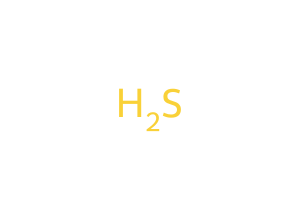 C2H5SH + H2 -> C2H6 + H2SRepresentative sulphur removal.

 C4H4S + 4H2 -> C4H10 + H2SThiophene rings are harder to remove than thiols.
Основное оборудование
- Charge heater
- Fixed-bed reactor
- High-pressure separator
- Recycle gas compressor
- Stripper column
- Amine contactor
Безопасность
Hydrogen at high pressure and temperature is a fire and explosion hazard, and hydrogen sulphide is toxic and corrosive. Loss of cooling can cause temperature runaway in the bed.
В Персидском заливе
Hydrotreaters are standard in every Gulf export refinery making low-sulphur diesel and jet. Specific unit data for named plants is not stated.
Проверьте себя
What is the sulphur removed as in hydrodesulphurisation?
Связанное
- Atmospheric crude distillation (CDU)Refinery process
- Catalytic reformingRefinery process
- HydrocrackingRefinery process
- Amine gas treatingRefinery process
- Hydrogen production (steam methane reforming)Refinery process
- Merox sweeteningRefinery process
Источники
Написано собственными словами PST по источникам выше. Достоверность данных: high. Реальные заводы различаются по конструкции и условиям работы.