Flexicoking and fluid coking
Refinery process
Fluid coking and Flexicoking convert heavy residue into lighter liquids and coke in a fluidised bed of hot coke particles. Flexicoking adds a gasifier so most of the coke is turned into a low-calorific fuel gas.
- Feed
- Vacuum residue or other very heavy oils
- Makes
- Coker naphtha and gas oils, Fuel gas (Flexicoking), Reduced coke production, Hydrogen sulphide for sulphur recovery
- Catalyst
- None (thermal process); steam and air for gasification
Process flow
What it does
Instead of filling drums in batches, a fluid coker sprays residue onto a bed of fine, hot coke particles. The oil cracks into vapours and a thin new layer of coke on the particles, and the process runs continuously. Particles move between a reactor and a heater or burner, which supplies heat. In Flexicoking a gasifier vessel is added in which part of the coke reacts with air and steam to make a gas rich in carbon monoxide and hydrogen. This gas can be burned as refinery fuel after sulphur removal, so very little coke is left to sell. Liquids go to a fractionator like those of other cokers.
Step by step
- Residue is fed to the fluidised reactor bed of hot coke
- Oil cracks on the particles, forming vapour and more coke
- Vapours go to a scrubber and fractionator
- Coke particles circulate to the heater
- In Flexicoking a gasifier reacts coke with steam and air
- The resulting gas is cleaned of sulphur
- Excess coke is withdrawn as a small purge
The chemistry
Thermal cracking behaves as in other cokers, giving lighter alkanes and alkenes and a hydrogen-poor carbon residue. In the gasifier, carbon reacts with steam to form carbon monoxide and hydrogen, and carbon monoxide reacts further with steam by the water-gas shift reaction.
Reactions, drawn atom by atom

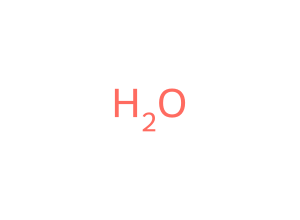
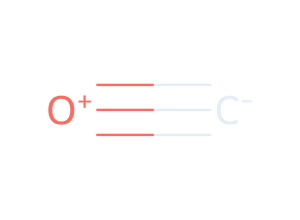
 C + H2O -> CO + H2Endothermic reaction in the gasifier.
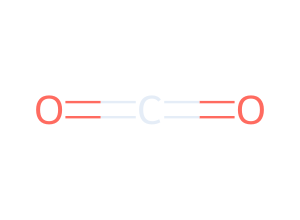 CO + H2O -> CO2 + H2Adjusts the CO and H2 ratio.
Main equipment
- Reactor
- Heater or burner
- Gasifier
- Venturi scrubber
- Fractionator
- Gas treating
Safety
Hot fluidised solids and carbon monoxide-rich gas bring fire, explosion and toxic gas risks, and erosion of vessels by particles is a maintenance issue.
Test yourself
What type of feed goes to a fluid coker?
Related
- Delayed cokingRefinery process
- Vacuum distillation (VDU)Refinery process
- VisbreakingRefinery process
- Amine gas treatingRefinery process
Sources
Written in PST's own words from the sources above. Confidence in the data: low. Real plants differ in design and operating conditions.