Light distillates
Aviation gasoline
Aviation gasoline is a high-octane fuel for piston aircraft engines. The most common grade is 100LL, which contains a small amount of tetraethyl lead.
← All productsAlso called: Avgas, Avgas 100LL, AVGAS 100
- Flash pointBelow minus 38 C
- Density690 to 730 kg/m³
- SulphurMax 0.05 % m/m
- Boiling range30 to 170 °C
- HazardUN1203, Class 3, packing group II
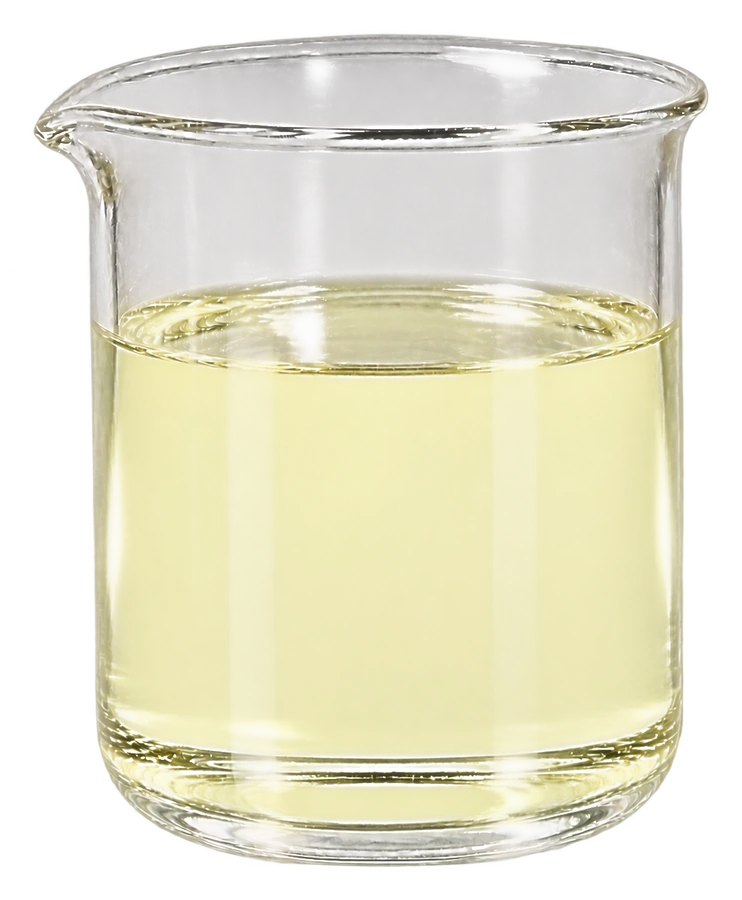
Image credits Laboratory glass samples are made from reference photos on Wikimedia Commons by Chemik10 (CC BY-SA 2.5) and a CC0 petroleum sample photo. Photograph: made from a reference photo by Mike Mozart, CC BY 2.0, via Wikimedia Commons.
Stir the liquid to feel how thick it is
Move the mouse or a finger across the liquid. Press and drag to stir harder. Keyboard: arrow keys stir, Space shakes.
Very thin Water-thin or thinner. Ripples run fast and ring for a long time.
- Stir speed
- 0 px/s
- Liquid movement
- 0%
- Settled after
- -
- Surface
- Still
The class is a guide for feel. The viscosity figure shown is the one in the specification data.
How it looks
Blue (100LL)
Where it is used
- Piston aircraft engines
Handling and safety
- Dedicated storage and filters to avoid contamination; strict quality control.
- Highly flammable; lead compounds are toxic.
Typical properties
- Appearance
- Blue (100LL)
- Density at 15 °C
- 690 to 730 kg/m³
- Boiling range
- 30 to 170 °C
- Flash point
- Below minus 38 C
- Viscosity
- Low
- Pour point
- Not applicable
- Typical sulphur
- Max 0.05 % m/m
◉What it is
Avgas is made to different specifications from motor gasoline because aircraft engines operate at high power, altitude and low temperature. It has high octane, tight volatility limits and is dyed by grade. The common grade 100LL (low lead) still contains tetraethyl lead, because reaching the required octane without lead is difficult, and it is still permitted in many countries. Unleaded alternatives are being introduced. It is separate from jet fuel, which is kerosene.
⬡What it is made of
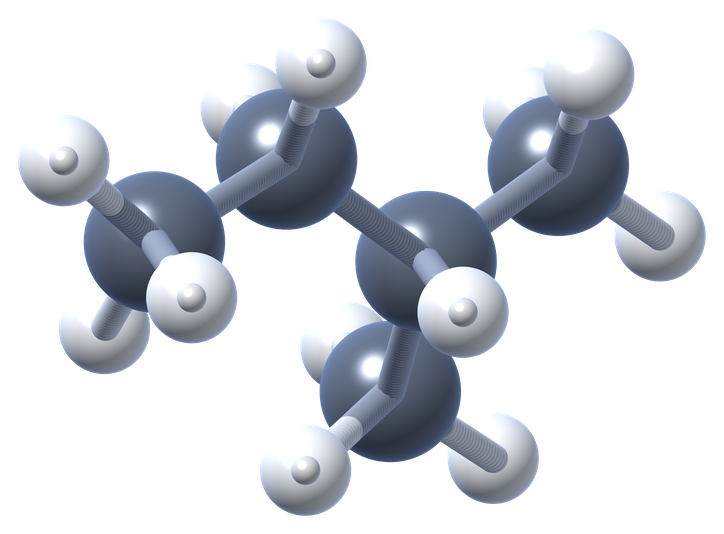
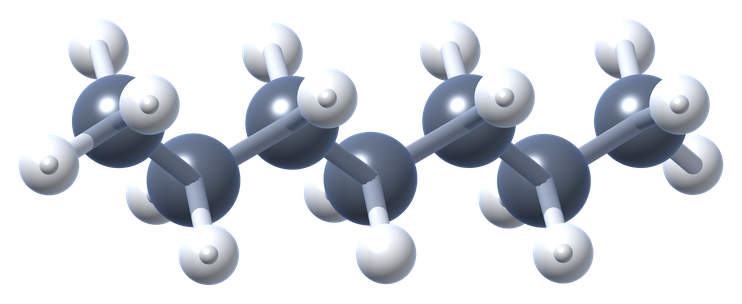
C5 to C10 paraffins and isoparaffins, mainly alkylate with small amounts of aromatics, plus lead additive.
⚛The chemistry
Alkylate provides high octane without sulphur. Tetraethyl lead (Pb(C2H5)4) acts as an anti-knock agent. Lead raises environmental concerns, which drives the move to unleaded options.
⚙How it is made
Blended from alkylate, reformate and isopentane with lead additive at specialised blenders.
▶How it works
High octane (the two ratings, lean and rich mixture) prevents engine knock at high loads.
▣Storage, loading and inspection
Dedicated storage and filters to avoid contamination; strict quality control.
★Why it matters in the Gulf
Avgas demand in the Gulf is small, mainly general aviation and flight schools. Verified volumes not found.
Key molecules
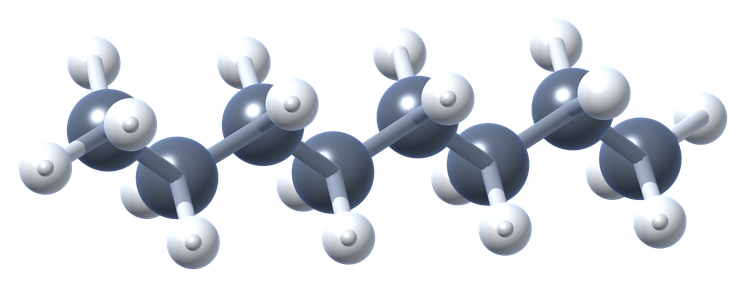
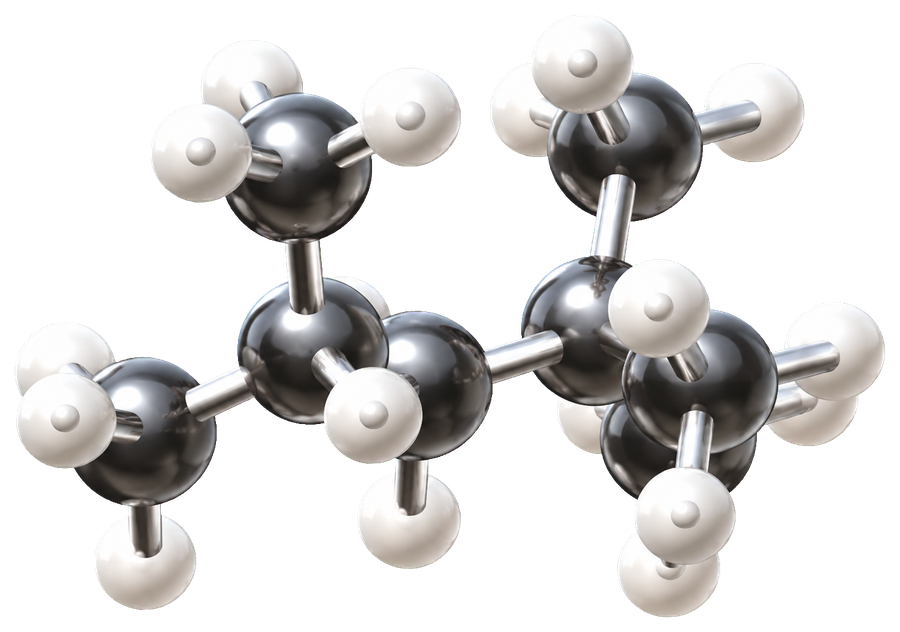
Standards and specifications
| ASTM D910 | Standard specification for leaded aviation gasolines. |
|---|---|
| DEF STAN 91-090 | UK Ministry of Defence specification for aviation gasolines. |
Hazards
Highly flammable; lead compounds are toxic.
How it is traded
Units
Metric tonnes or litres
Benchmarks
No widely used benchmark; negotiated
Typical cargo
Drums, tank trucks and small parcels
Incoterms
FCA, DAP
Notes
Small niche market compared with jet fuel.
Refineries that make it: our suggestions
144 listed refineries make this product, 37 of them in the Gulf, Iran and Iraq. We rank Gulf plants first, then operating plants, then by capacity.
- 1Ruwais Refinery
 United Arab Emirates · 922,000 bpdLargest capacity among Gulf-first matchesGulf locationOperatingDeep conversionExport access
- 2Al-Zour Refinery
 Kuwait · 615,000 bpdGulf locationOperatingExport access
- 3Ras Tanura Refinery
 Saudi Arabia · 550,000 bpdGulf locationOperatingDeep conversionExport access
- 4SATORP Jubail Refinery Saudi Arabia · 465,000 bpdGulf locationOperatingDeep conversionExport access
- 5YASREF Yanbu Refinery Saudi Arabia · 400,000 bpdGulf locationOperatingDeep conversionExport access
- 6Petro Rabigh Refinery Saudi Arabia · 400,000 bpdGulf locationOperatingExport access


Terminals that handle it
- Port of Fujairah (anchorage and bunkering) United Arab Emirates
- Ras Tanura terminal Saudi Arabia
- Vopak Horizon Fujairah United Arab Emirates
- Bapco Sitra tank farm and marine terminal
 Bahrain
- Yanbu oil terminals (Red Sea) Saudi Arabia
- VTTI Fujairah United Arab Emirates

Did you know
💡 Avgas is dyed to show its grade; 100LL is blue.
💡 100LL may contain at most about 0.56 g/L of lead, half the amount allowed in green 100/130 (Wikipedia).
Test yourself on Aviation gasoline
The most common avgas grade is:
More in this group
- Light naphtha
- Heavy naphtha
- Gasoline RON 91
- Gasoline RON 95
- Gasoline RON 98
- Reformate
- Alkylate
- Pyrolysis gasoline
Sources
Written in PST's own words from the sources above. Confidence in the data: medium. Typical values vary by origin and contract, so always read the specification in your own contract.