Light distillates
Gasoline RON 91
Gasoline RON 91 is a regular-grade motor gasoline with a research octane number of 91. It is common in the Middle East, North America and Australia, though local names vary.
← All productsAlso called: Regular gasoline, Mogas 91, Premium 91 (regional naming varies)
- Flash pointBelow minus 40 C
- Density710 to 770 kg/m³
- SulphurTypically 10 to 50 mg/kg depending on market
- Boiling range30 to 215 °C
- HazardUN1203, Class 3, packing group II
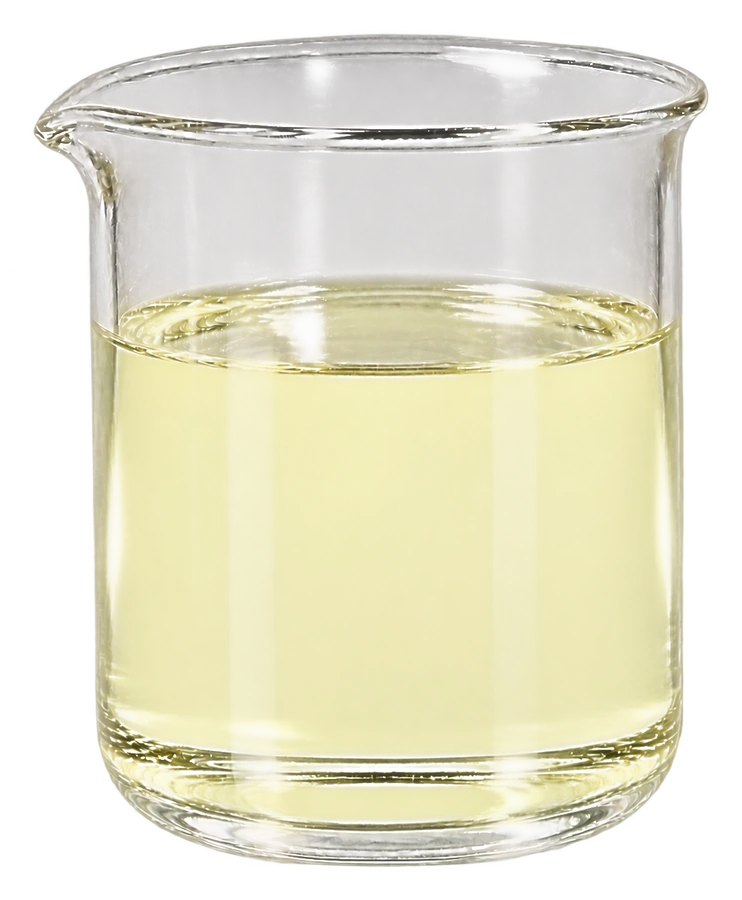
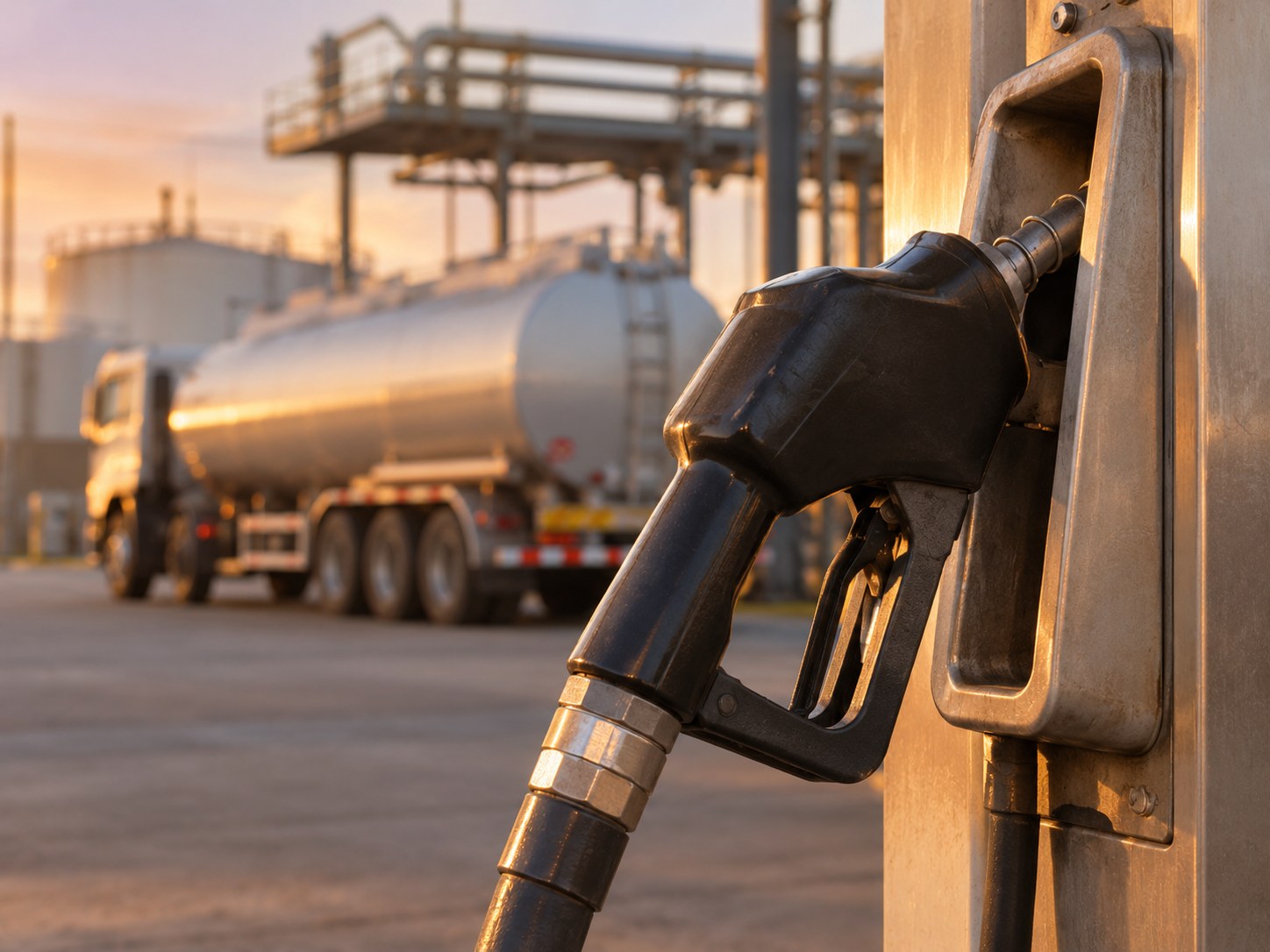
Image credits Laboratory glass samples are made from reference photos on Wikimedia Commons by Chemik10 (CC BY-SA 2.5) and a CC0 petroleum sample photo. Photograph: made from a reference photo by Mike Mozart, CC BY 2.0, via Wikimedia Commons.
Stir the liquid to feel how thick it is
Move the mouse or a finger across the liquid. Press and drag to stir harder. Keyboard: arrow keys stir, Space shakes.
Very thin Water-thin or thinner. Ripples run fast and ring for a long time.
- Stir speed
- 0 px/s
- Liquid movement
- 0%
- Settled after
- -
- Surface
- Still
The class is a guide for feel. The viscosity figure shown is the one in the specification data.
How it looks
Clear to pale yellow, may be dyed
Where it is used
- Passenger car fuel in markets using RON 91
- Blending base for premium grades
Handling and safety
- Stored in floating roof tanks, shipped on clean product tankers; sampled per ASTM D4057.
- Highly flammable; benzene content; vapours heavier than air.
Typical properties
- Appearance
- Clear to pale yellow, may be dyed
- Density at 15 °C
- 710 to 770 kg/m³
- Boiling range
- 30 to 215 °C
- Flash point
- Below minus 40 C
- Viscosity
- Low
- Pour point
- Not applicable
- Typical sulphur
- Typically 10 to 50 mg/kg depending on market
◉What it is
Motor gasoline is a blend of hydrocarbons with four to twelve carbon atoms made to burn smoothly in spark-ignition engines. RON 91 is a mid-level grade used in regular fuel in several markets. It is built from components such as reformate, FCC gasoline, alkylate and isomerate, along with oxygenates in some regions. Its volatility is adjusted by season. Local fuel grade names differ between countries, so buyers should always specify RON, sulphur and vapour pressure.
⬡What it is made of
C4 to C12 paraffins, isoparaffins, naphthenes, olefins and aromatics.
⚛The chemistry
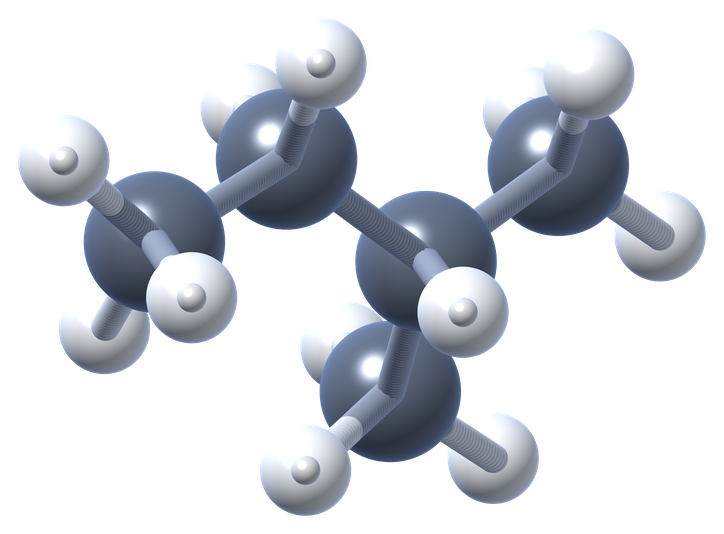
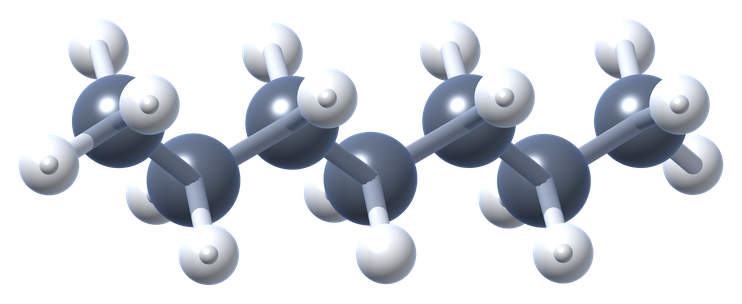
Octane rating compares knocking resistance with a mix of isooctane (2,2,4-trimethylpentane) and n-heptane. Branched alkanes and aromatics resist knock better than straight chains. Sulphur is limited in modern specifications to protect catalytic converters.
⚙How it is made
Blended in refineries from reformate, FCC naphtha, alkylate, isomerate and butane, plus ethanol where mandated.
▶How it works
Octane number measures resistance to knock. Volatility, measured by vapour pressure and distillation, affects cold starting and vapour lock.
▣Storage, loading and inspection
Stored in floating roof tanks, shipped on clean product tankers; sampled per ASTM D4057.
★Why it matters in the Gulf
Gulf refineries supply domestic gasoline and export surplus to Asia and Africa. Check the current national or GCC fuel specification with the supplier, as grades and limits differ by country.
Key molecules
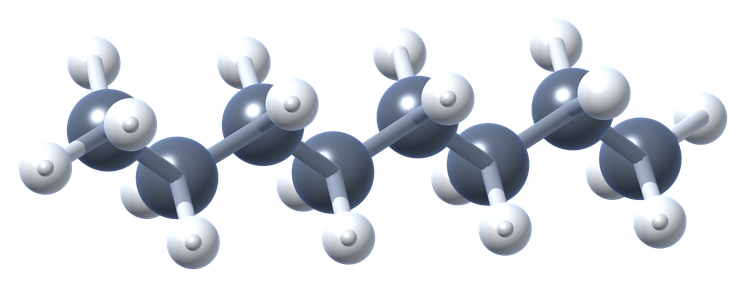
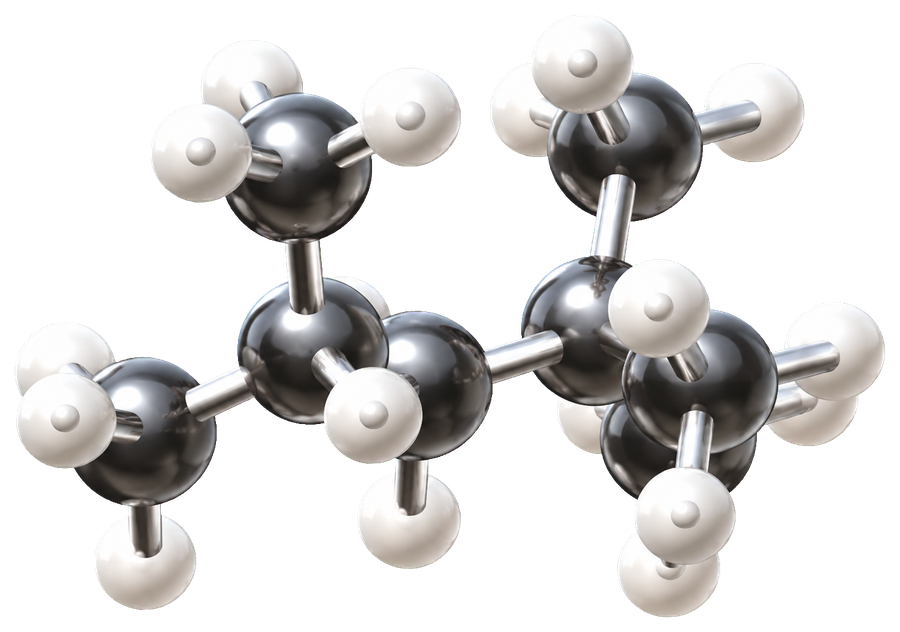
Standards and specifications
| ASTM D4814 | US specification for automotive spark-ignition engine fuel. |
|---|---|
| EN 228 | European specification for unleaded petrol, which permits E10 and sets a 10 mg/kg sulphur maximum. |
Hazards
Highly flammable; benzene content; vapours heavier than air.
How it is traded
Units
Metric tonnes or barrels
Benchmarks
Platts Singapore and Arab Gulf gasoline assessments
Typical cargo
MR tankers about 37,000 tonnes
Incoterms
FOB, CFR
Notes
Contracts specify RON, RVP, sulphur and benzene.
Refineries that make it: our suggestions
126 listed refineries make this product, 25 of them in the Gulf, Iran and Iraq. We rank Gulf plants first, then operating plants, then by capacity.
- 1Ruwais Refinery
 United Arab Emirates · 922,000 bpdLargest capacity among Gulf-first matchesGulf locationOperatingDeep conversionExport access
- 2Ras Tanura Refinery
 Saudi Arabia · 550,000 bpdGulf locationOperatingDeep conversionExport access
- 3SATORP Jubail Refinery Saudi Arabia · 465,000 bpdGulf locationOperatingDeep conversionExport access
- 4YASREF Yanbu Refinery Saudi Arabia · 400,000 bpdGulf locationOperatingDeep conversionExport access
- 5Petro Rabigh Refinery Saudi Arabia · 400,000 bpdGulf locationOperatingExport access
- 6Abadan Refinery
 Iran · 400,000 bpdGulf locationOperatingDeep conversionExport access



Terminals that handle it
- Port of Fujairah (anchorage and bunkering) United Arab Emirates
- Ras Tanura terminal Saudi Arabia
- Vopak Horizon Fujairah United Arab Emirates
- Bapco Sitra tank farm and marine terminal
 Bahrain
- Yanbu oil terminals (Red Sea) Saudi Arabia
- VTTI Fujairah United Arab Emirates



Did you know
💡 Octane is measured against isooctane and heptane.
💡 Gasoline is lighter than water, so it floats.
Test yourself on Gasoline RON 91
RON stands for:
More in this group
- Light naphtha
- Heavy naphtha
- Gasoline RON 95
- Gasoline RON 98
- Reformate
- Alkylate
- Pyrolysis gasoline
- Aviation gasoline
Sources
Written in PST's own words from the sources above. Confidence in the data: medium. Typical values vary by origin and contract, so always read the specification in your own contract.