Light distillates
Pyrolysis gasoline
Pyrolysis gasoline is a liquid by-product of steam cracking. It is very rich in aromatics, mainly benzene, toluene and xylenes, and also contains dienes and olefins.
← All productsAlso called: Pygas, Cracked naphtha from steam cracker
- Flash pointBelow 20 C (varies)
- Density800 to 880 kg/m³
- Boiling range35 to 210 °C
- HazardUN1268 or UN3295 (varies by description), Class 3
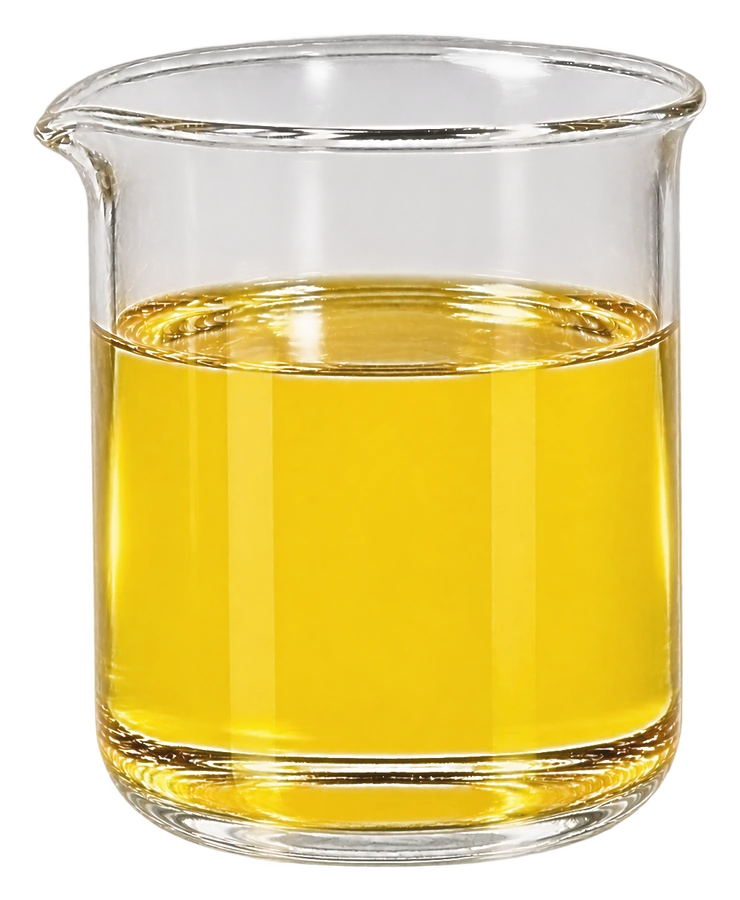
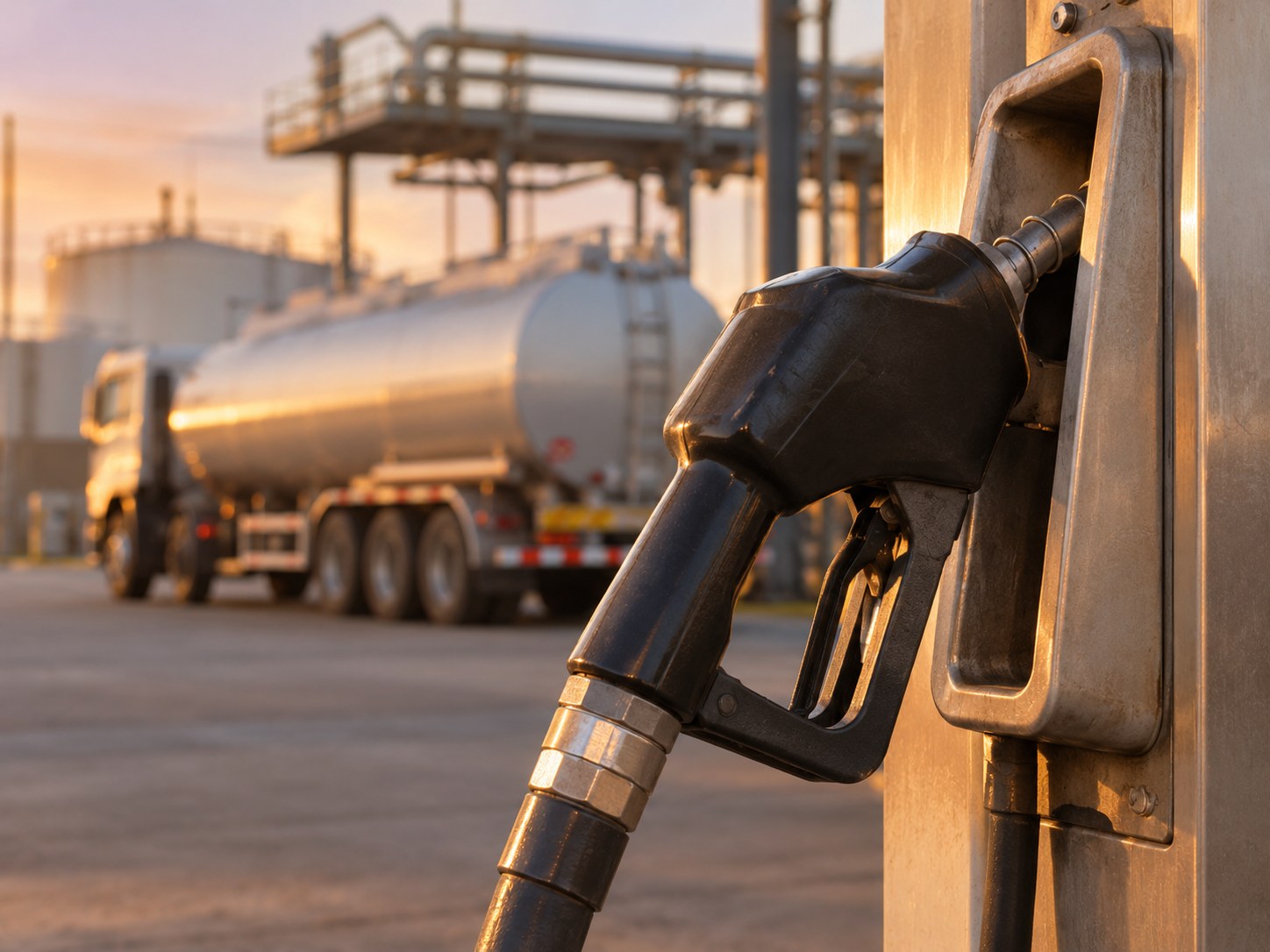
Image credits Laboratory glass samples are made from reference photos on Wikimedia Commons by Chemik10 (CC BY-SA 2.5) and a CC0 petroleum sample photo. Photograph: made from a reference photo by Mike Mozart, CC BY 2.0, via Wikimedia Commons.
Stir the liquid to feel how thick it is
Move the mouse or a finger across the liquid. Press and drag to stir harder. Keyboard: arrow keys stir, Space shakes.
Very thin Water-thin or thinner. Ripples run fast and ring for a long time.
- Stir speed
- 0 px/s
- Liquid movement
- 0%
- Settled after
- -
- Surface
- Still
The class is a guide for feel. The viscosity figure shown is the one in the specification data.
How it looks
Pale yellow to amber, with a sharp, sweet aromatic smell. It darkens with oxidation and storage, and raw pygas can become cloudy or form gum.
Where it is used
- Aromatics extraction feed
- Gasoline blendstock
- Solvent
Handling and safety
- Stored with inert blanketing in tanks; limit storage time because of gum formation.
- Flammable; benzene content; reactive dienes can polymerise.
Typical properties
- Appearance
- Pale yellow liquid
- Density at 15 °C
- 800 to 880 kg/m³
- Boiling range
- 35 to 210 °C
- Flash point
- Below 20 C (varies)
- Viscosity
- Low
- Pour point
- Not applicable
- Typical sulphur
- Varies
◉What it is
Steam crackers heat naphtha or other feed to high temperature to make ethylene and propylene. The C5-plus liquid by-product is pyrolysis gasoline. It is unstable because of reactive dienes, so it is hydrogenated before use. After treatment, it is either blended into gasoline or sent to an aromatics extraction unit to recover benzene, toluene and xylenes. Because it carries high benzene levels, it needs careful handling.
⬡What it is made of
C5 to C10, aromatics 50 to 70 percent in many cases (varies), with dienes and olefins.
⚛The chemistry
Aromatic rings such as benzene (C6H6) are stable and high octane, while dienes are reactive and form gum, so they are hydrogenated. Sulphur is typically moderate and depends on feed.
⚙How it is made
By-product of steam cracking naphtha or condensate; first stage hydrotreated to saturate dienes, second stage to remove sulphur.
▶How it works
Treated pygas supplies aromatics for petrochemicals or high-octane gasoline blendstock.
▣Storage, loading and inspection
Stored with inert blanketing in tanks; limit storage time because of gum formation.
★Why it matters in the Gulf
Gulf petrochemical complexes with steam crackers produce pygas as a co-product. Volumes are not stated.
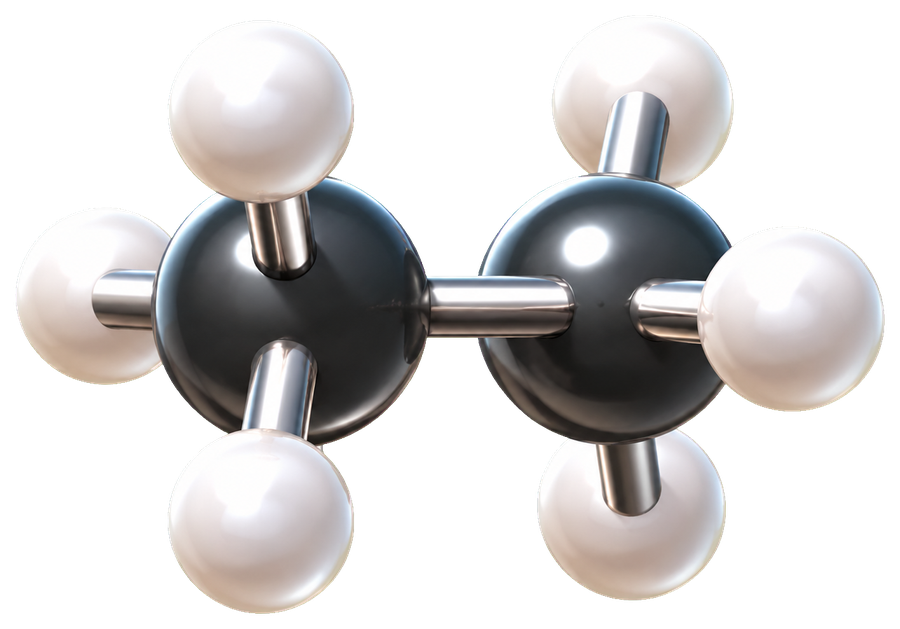
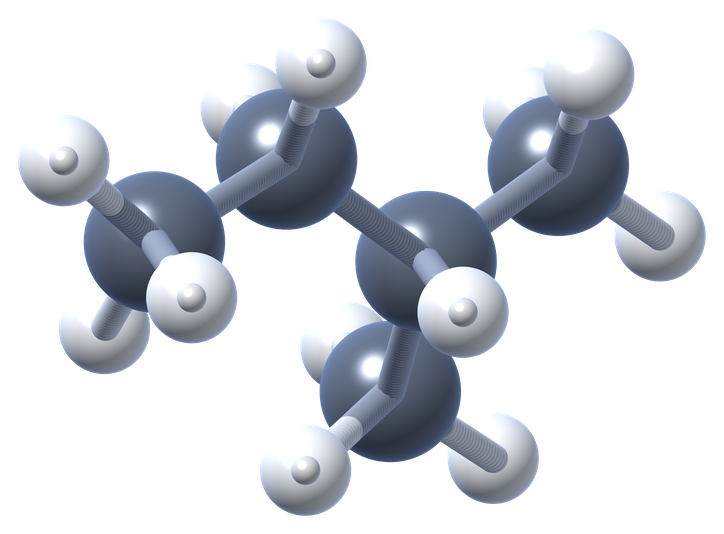
Key molecules
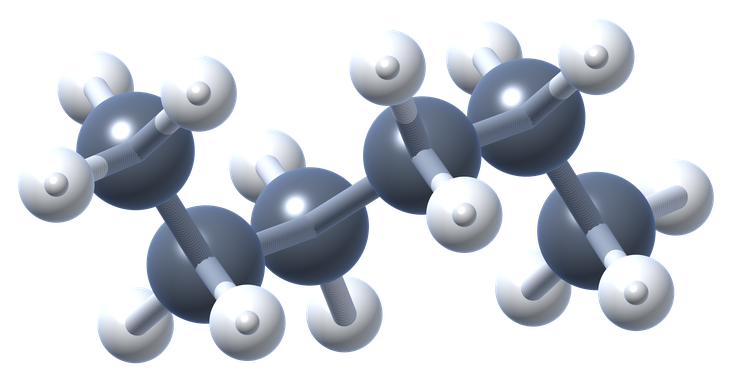
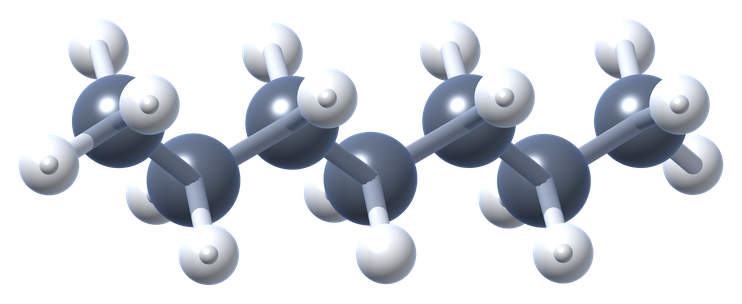
Standards and specifications
| ASTM D86 | Test method for distillation. |
|---|---|
| ASTM D1319 | Hydrocarbon types by fluorescent indicator adsorption. |
Hazards
Flammable; benzene content; reactive dienes can polymerise.
How it is traded
Units
Metric tonnes
Benchmarks
Platts pygas assessments
Typical cargo
MR tankers
Incoterms
FOB, CFR
Notes
Specifications cover benzene, dienes, gum and sulphur.
Refineries that make it: our suggestions
156 listed refineries make this product, 43 of them in the Gulf, Iran and Iraq. We rank Gulf plants first, then operating plants, then by capacity.
- 1Ruwais Refinery
 United Arab Emirates · 922,000 bpdLargest capacity among Gulf-first matchesGulf locationOperatingDeep conversionExport access
- 2Al-Zour Refinery
 Kuwait · 615,000 bpdGulf locationOperatingExport access
- 3Ras Tanura Refinery
 Saudi Arabia · 550,000 bpdGulf locationOperatingDeep conversionExport access
- 4SATORP Jubail Refinery Saudi Arabia · 465,000 bpdGulf locationOperatingDeep conversionExport access
- 5YASREF Yanbu Refinery Saudi Arabia · 400,000 bpdGulf locationOperatingDeep conversionExport access
- 6Petro Rabigh Refinery Saudi Arabia · 400,000 bpdGulf locationOperatingExport access


Terminals that handle it
- Port of Fujairah (anchorage and bunkering) United Arab Emirates
- Ras Tanura terminal Saudi Arabia
- Vopak Horizon Fujairah United Arab Emirates
- Bapco Sitra tank farm and marine terminal
 Bahrain
- Yanbu oil terminals (Red Sea) Saudi Arabia
- VTTI Fujairah United Arab Emirates

Did you know
💡 Pygas is a by-product, not a crude cut.
💡 It is rich in benzene.
Test yourself on Pyrolysis gasoline
Pygas comes from:
See the PST specification page
More in this group
- Light naphtha
- Heavy naphtha
- Gasoline RON 91
- Gasoline RON 95
- Gasoline RON 98
- Reformate
- Alkylate
- Aviation gasoline
Sources
Written in PST's own words from the sources above. Confidence in the data: medium. Typical values vary by origin and contract, so always read the specification in your own contract.