Middle distillates · ASTM D3699 Grade 1-K and trade kerosene
Kerosene (SK, illuminating)
Kerosene for lighting, cooking and heating, bought in large volume across Africa, South Asia and the Gulf. It is not aviation fuel and must not be sold as Jet A-1.
- 8Parameters
- 7With a limit
- 7Off-spec causes explained
- Flash pointmin 38 °C
- Densityreport kg/m³
- Sulphurmax 0.04 % m/m
- Boiling endmax 205 °C
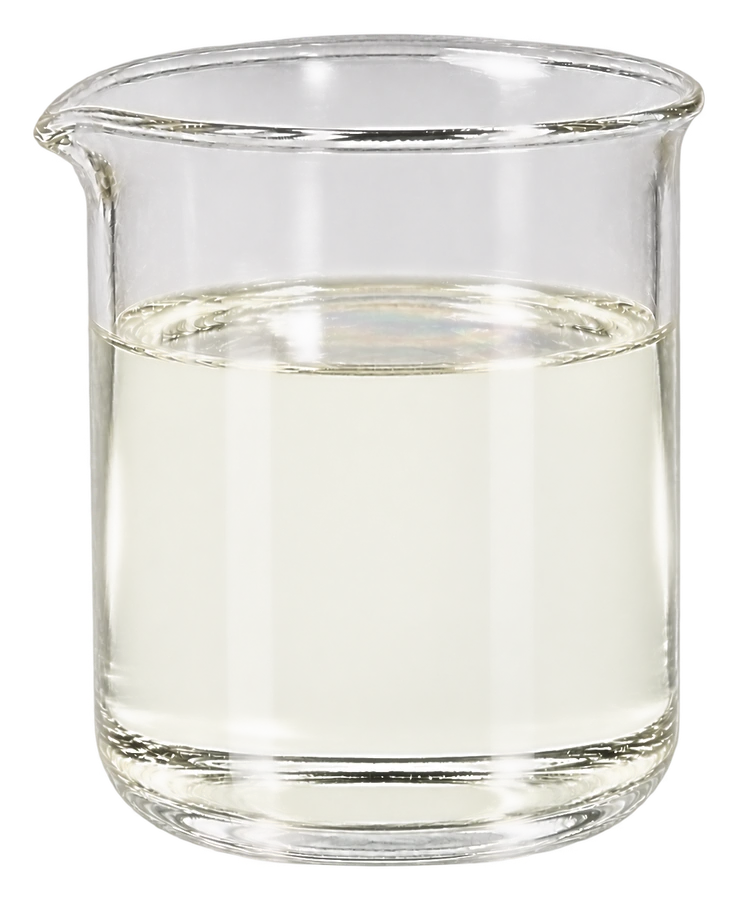
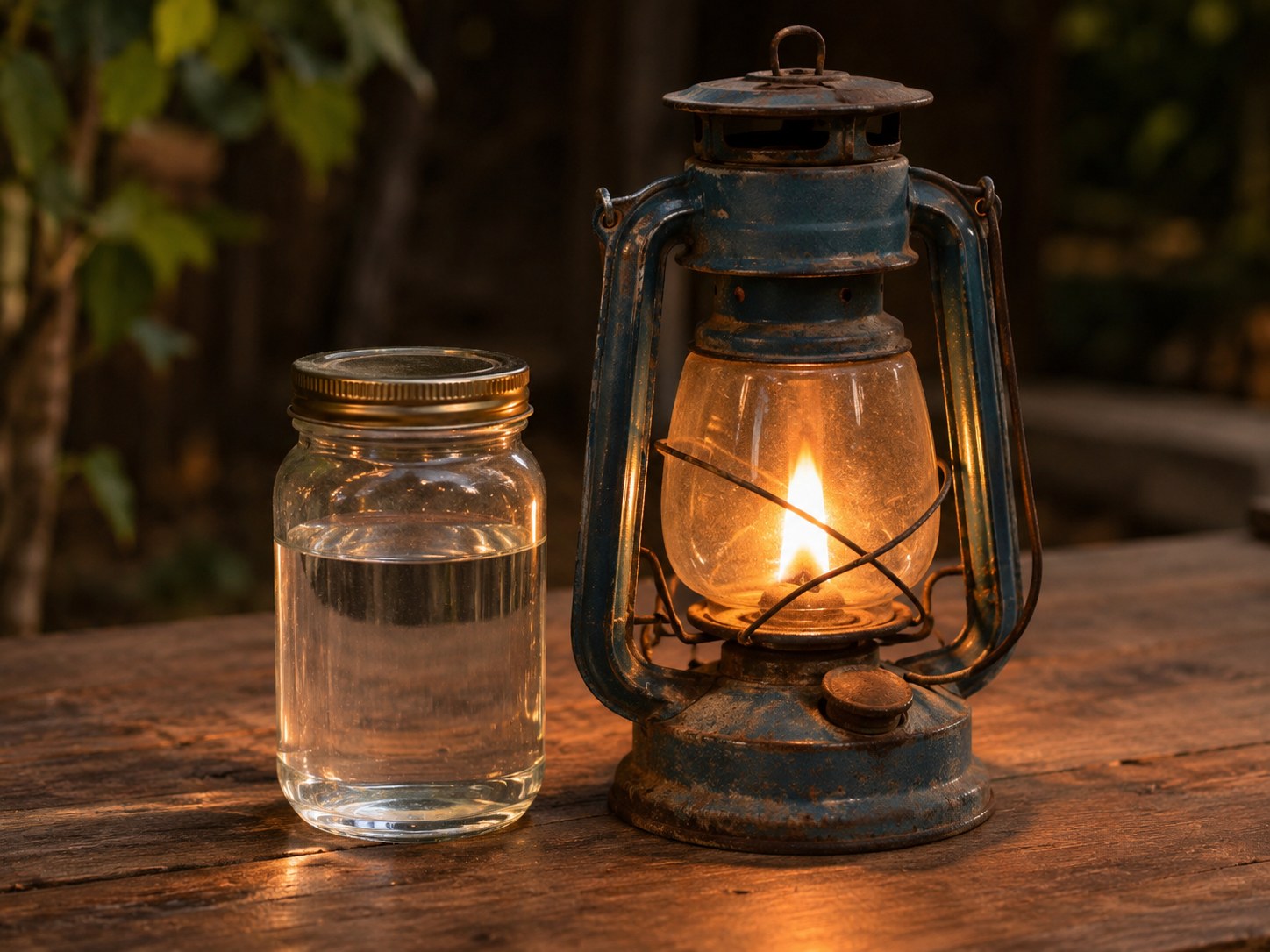
Image credits Laboratory glass samples are made from reference photos on Wikimedia Commons by Chemik10 (CC BY-SA 2.5) and a CC0 petroleum sample photo. Photograph: made from a reference photo by Geossegawa, CC BY 4.0, via Wikimedia Commons.
Stir the liquid to feel how thick it is
Move the mouse or a finger across the liquid. Press and drag to stir harder. Keyboard: arrow keys stir, Space shakes.
Thin Light and free flowing. Waves travel quickly and fade slowly.
- Stir speed
- 0 px/s
- Liquid movement
- 0%
- Settled after
- -
- Surface
- Still
The class is a guide for feel. The viscosity figure shown is the one in the specification data.
How it looks
Clear and bright, water-white to pale straw. A yellow or dark colour means contamination. Some markets dye kerosene so it is not mixed with fuel.
Where it is used
- Lamps and stoves
- Space heaters
- Industrial solvent and cleaning
- Blending component
Handling and safety
- Keep apart from aviation fuel tanks and lines.
- State the end use in the contract.
- Joint samples at loading.
Typical properties
- Flash point
- min 38 °C
- Distillation, 10% recovered
- max 205 °C
- Final boiling point
- max 300 °C
- Sulphur
- max 0.04 % m/m
- Smoke point
- min 25 mm
- Copper strip corrosion
- max 1 class
- Saybolt colour
- min 16
The specification
ASTM D3699 Grade 1-K and trade kerosene. Limits are the commonly published ones. Your contract and the current edition of the standard decide.
| Parameter | Limit | Test method | What it protects |
|---|---|---|---|
| Flash point | min 38 °C | ASTM D56 / D93 | Fire safety. |
| Distillation, 10% recovered | max 205 °C | ASTM D86 | Easy lighting. |
| Final boiling point | max 300 °C | ASTM D86 | Limits heavy ends that smoke. |
| Sulphur | max 0.04 % m/m | ASTM D1266 / D4294 | Smell and fumes when burned. |
| Smoke point | min 25 mm | ASTM D1322 | A clean flame. |
| Copper strip corrosion | max 1 class | ASTM D130 | Shows corrosive sulphur. |
| Saybolt colour | min 16 | ASTM D156 | Visual quality. |
| Density at 15 °C | report kg/m³ | ASTM D4052 | Loading and conversion by volume. |
Why a cargo goes off spec
When one parameter fails, it usually points to one cause. Here is what to look for.
Flash pointmin 38 °C
Too lowGasoline or naphtha contamination.
Why it mattersFire safety.
Distillation, 10% recoveredmax 205 °C
Too highHeavy front end.
Why it mattersEasy lighting.
Final boiling pointmax 300 °C
Too highHeavy cut.
Why it mattersLimits heavy ends that smoke.
Sulphurmax 0.04 % m/m
Too highUntreated stream.
Why it mattersSmell and fumes when burned.
Smoke pointmin 25 mm
Too lowAromatic fuel.
Why it mattersA clean flame.
Copper strip corrosionmax 1 class
Too highActive sulphur compounds.
Why it mattersShows corrosive sulphur.
Saybolt colourmin 16
Too lowContamination or age.
Why it mattersVisual quality.
Check your own certificate
Type the values, paste the certificate text, or upload a PDF or photo. The checker names every parameter that is off spec and the usual reason.
| Parameter | Limit | Your value | Result |
|---|---|---|---|
| Flash pointASTM D56 / D93 | min 38 °C | enter a value | |
| Distillation, 10% recoveredASTM D86 | max 205 °C | enter a value | |
| Final boiling pointASTM D86 | max 300 °C | enter a value | |
| SulphurASTM D1266 / D4294 | max 0.04 % m/m | enter a value | |
| Smoke pointASTM D1322 | min 25 mm | enter a value | |
| Copper strip corrosionASTM D130 | max 1 class | enter a value | |
| Saybolt colourASTM D156 | min 16 | enter a value | |
| Density at 15 °CASTM D4052 | report kg/m³ | enter a value |
Sources
Indicative information for professional users. Not a substitute for the standard, a contract or an independent inspector.