Heavy fuels
Residual Fuel Oil (RFO / MFO)
Residual fuel oil is what remains after lighter products are distilled from crude. It is thick, dense and sulphur-rich, and it is burned in ships, boilers and power plants.
← كل المنتجاتيُسمى أيضاً: Mazut, MFO, Marine fuel oil, Fuel oil No. 6, Bunker C, Black oil
- نقطة الوميضMin 60 C typical (Wikipedia: about 65 C for No. 6)
- الكثافة950 to 1030 kg/m³
- اللزوجة50 to 700 mm2/s at 50 C
- الانسياب على الباردUp to 30 C
- الكبريت0.5 to 4% typical
- الخطرUsually none. Depending on the description and temperature, shippers may use UN3082 or UN3257., Often not classified as dangerous goods for transport (flash point above 60 C). Class 9 if shipped under UN3082 (environmentally hazardous substance, liquid, n.o.s.) or UN3257 (elevated temperature liquid, n.o.s.). Check the supplier's safety data sheet.
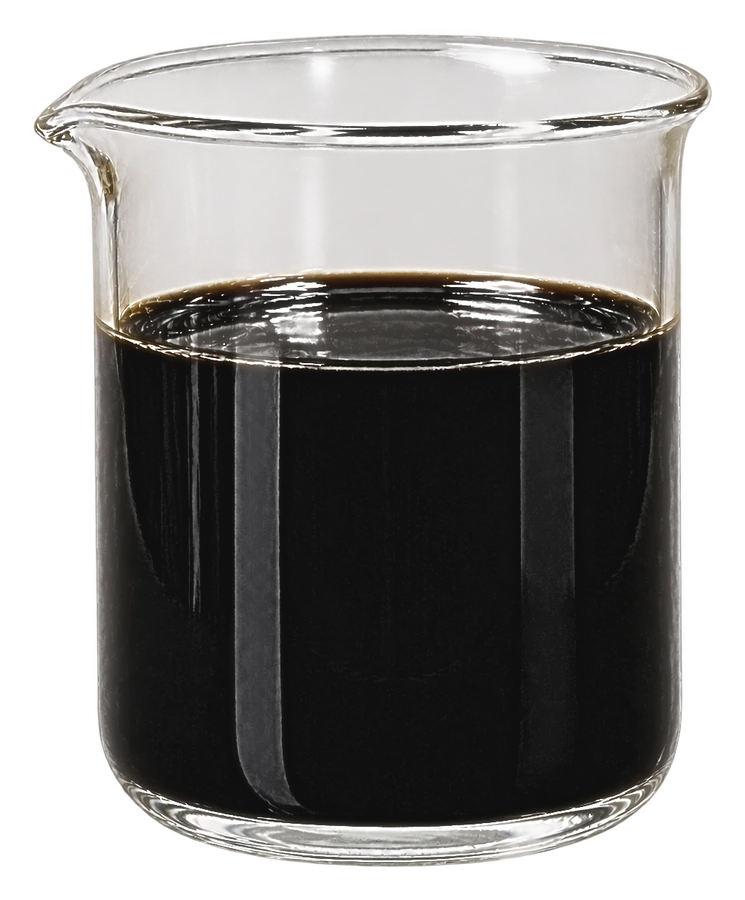

حقوق الصور عينات الزجاج المختبري مصنوعة من صور مرجعية على ويكيميديا كومنز بواسطة Chemik10 (CC BY-SA 2.5) وصورة عينة بترولية بترخيص CC0.
حرّك السائل لتحس بمدى لزوجته
حرّك الفأرة أو إصبعك فوق السائل. اضغط واسحب للتحريك بقوة أكبر. لوحة المفاتيح: الأسهم للتحريك، المسافة للرج.
لزج جدا ثقيل جدا. بالكاد يتحرك ويعود للانسياب ببطء.
اللزوجة المعتادة من البيانات50 to 700 mm2/s at 50 C
- سرعة التحريك
- 0 بكسل/ث
- حركة السائل
- 0%
- يستقر بعد
- -
- السطح
- ساكن
الفئة دليل تقريبي للإحساس. رقم اللزوجة المعروض هو الوارد في بيانات المواصفات.
مظهره
Black, tarry
أين يُستخدم
- Ship fuel
- Power plant fuel
- Industrial boilers
- Cement kilns
المناولة والسلامة
- Store in heated tanks, typically 40 to 50 C for pumping and 100 to 150 C for centrifuge and injection, with the temperature kept at least 10 C above the pour point and below 20 C under flash point. Avoid overheating that causes coking. Check for incompatibility when mixing batches (ASTM D4740 spot test or D7060). Sampling follows ISO 3170 or ISO 3171 with MARPOL retained sample. Inspect for water, catalytic fines (aluminium plus silicon) and total sediment.
- Hot product can cause burns. Residual fuels contain polycyclic aromatics and can release hydrogen sulphide in tank headspace. Spills are very damaging to marine life.
الخصائص المعتادة
- المظهر
- Black, tarry
- الكثافة عند 15 °C
- 950 to 1030 kg/m³
- نقطة الوميض
- Min 60 C typical (Wikipedia: about 65 C for No. 6)
- اللزوجة
- 50 to 700 mm2/s at 50 C
- نقطة الانسكاب
- Up to 30 C
- الكبريت المعتاد
- 0.5 to 4% typical
◉What it is
Residual fuel oil is the heaviest liquid product of a refinery. It is the vacuum residue or atmospheric residue, usually blended with a lighter cutter stock to adjust viscosity. In the US it is fuel oil No. 6 or Bunker C; in Russia and Central Asia it is called mazut; in power industries it may be called MFO (marine fuel oil or mazut fuel oil). Density is about 0.95 to 1.03 g/cm3 (Wikipedia). It must be heated to flow: No. 6 needs preheating to about 104 to 127 C (Wikipedia). The fuel is cheap but polluting.
⬡What it is made of
C20 to C70+ hydrocarbons: aromatics, naphthenes, resins and asphaltenes, with sulphur, nitrogen and metals.
⚛الكيمياء
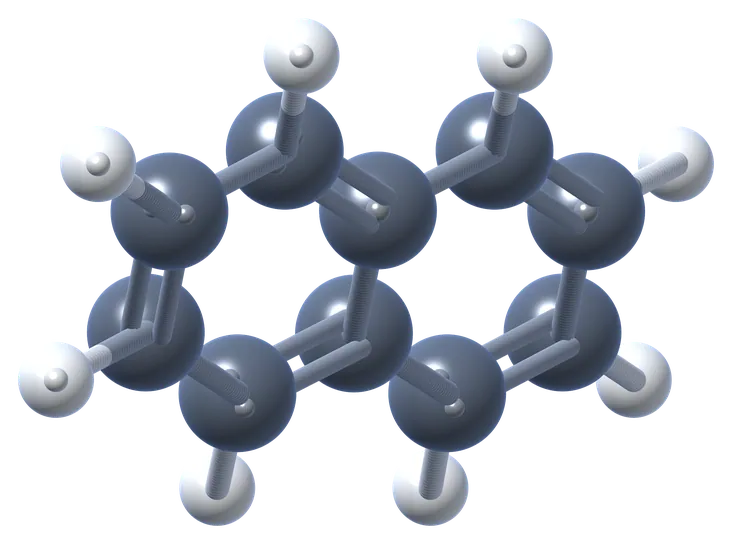
Residual fuel contains large aromatic and naphthenic molecules, resins and asphaltenes, which are clusters of polycyclic aromatic rings with heteroatoms (S, N, O) and metals such as vanadium and nickel. Asphaltenes make the oil dense and viscous; resins keep them dispersed. Mixing incompatible fuels can precipitate asphaltenes as sludge.
⚙How it is made
Vacuum distillation leaves vacuum residue, which can be visbroken to cut viscosity. The result is diluted with distillates.
▶How it works
Heated, filtered and atomised to burn in boilers and slow engines.
▣Storage, loading and inspection
Store in heated tanks, typically 40 to 50 C for pumping and 100 to 150 C for centrifuge and injection, with the temperature kept at least 10 C above the pour point and below 20 C under flash point. Avoid overheating that causes coking. Check for incompatibility when mixing batches (ASTM D4740 spot test or D7060). Sampling follows ISO 3170 or ISO 3171 with MARPOL retained sample. Inspect for water, catalytic fines (aluminium plus silicon) and total sediment.
★Why it matters in the Gulf
Gulf refineries produce fuel oil and Fujairah stores and blends it. Central Asia uses mazut for power and heating. Volumes are not stated.
الجزيئات الرئيسية


المعايير والمواصفات
| ISO 8217 | Marine residual grades |
|---|---|
| ASTM D396 | US fuel oil grades including No. 5 and No. 6 |
| GOST 10585 | Russian mazut specification |
المخاطر
Hot product can cause burns. Residual fuels contain polycyclic aromatics and can release hydrogen sulphide in tank headspace. Spills are very damaging to marine life.
كيف يُتداول
Units
Metric tonnes (bunkers priced per mt); barrels for refinery trade at about 6.4 to 6.6 bbl per mt.
Benchmarks
Platts FOB Arab Gulf HSFO 380 and fuel oil 180 assessments
Typical cargo
Tanker parcels 20,000 to 80,000 mt
Incoterms
FOB (load port), CIF or CFR, DAP at bunker port or delivered ex-wharf (barge).
Notes
Often sold by cargo, with large volumes from Gulf refineries.
المصافي التي تنتجه: ترشيحاتنا
91 من المصافي المدرجة تنتج هذا المنتج، منها 21 في الخليج وإيران والعراق. نرتّب مصانع الخليج أولاً، ثم المصانع العاملة، ثم بحسب الطاقة.
- 1Ruwais Refinery
 United Arab Emirates · 922,000 bpdLargest capacity among Gulf-first matchesGulf locationOperatingDeep conversionإمكانية التصدير
- 2Al-Zour Refinery
 Kuwait · 615,000 bpdGulf locationOperatingإمكانية التصدير
- 3Ras Tanura Refinery
 Saudi Arabia · 550,000 bpdGulf locationOperatingDeep conversionإمكانية التصدير
- 4SAMREF Yanbu Refinery Saudi Arabia · 400,000 bpdGulf locationOperatingإمكانية التصدير
- 5Petro Rabigh Refinery Saudi Arabia · 400,000 bpdGulf locationOperatingإمكانية التصدير
- 6Abadan Refinery
 Iran · 400,000 bpdGulf locationOperatingDeep conversionإمكانية التصدير




المحطات التي تتعامل معه
- Port of Fujairah (anchorage and bunkering) United Arab Emirates
- Ras Tanura terminal Saudi Arabia
- Vopak Horizon Fujairah United Arab Emirates
- Bapco Sitra tank farm and marine terminal
 Bahrain
- Yanbu oil terminals (Red Sea) Saudi Arabia
- VTTI Fujairah United Arab Emirates




هل تعلم
💡 No. 6 oil is also called Bunker C and needs preheating to about 104 to 127 C (Wikipedia).
💡 Residual fuel oil often has a density close to that of water, from about 0.95 to 1.03 g/cm3.
اختبر نفسك في Residual Fuel Oil (RFO / MFO)
What is mazut?
المزيد في هذه المجموعة
- HSFO 3.5% (High Sulphur Fuel Oil)
- VLSFO 0.5% (Very Low Sulphur Fuel Oil)
- ULSFO 0.1% (Ultra Low Sulphur Fuel Oil)
- IFO 380 and IFO 180
- Bunker Fuel (ISO 8217 Grades)
- Vacuum Gasoil (VGO)
- Vacuum Residue
- Slurry Oil (Decant Oil)
- Cutter Stock
- Furnace Oil
المصادر
كُتب بأسلوب PST من المصادر أعلاه. الثقة في البيانات: medium. تختلف القيم المعتادة بحسب المنشأ والعقد، فاقرأ دائماً المواصفات الواردة في عقدك.