Solvents and chemicals
Propylene (Refinery and Petrochemical Stream)
Propylene is a three-carbon alkene gas, C3H6, made in steam crackers, FCC units and propane dehydrogenation plants. Most goes into polypropylene.
← All productsAlso called: Propene, C3H6, Polymer-grade propylene, Refinery-grade propylene
- Cold flowMelting point -185 C
- SulphurBelow 1 ppm
- Boiling range-47.6 to -47.6 °C
- HazardUN1077, Class 2.1 flammable gas
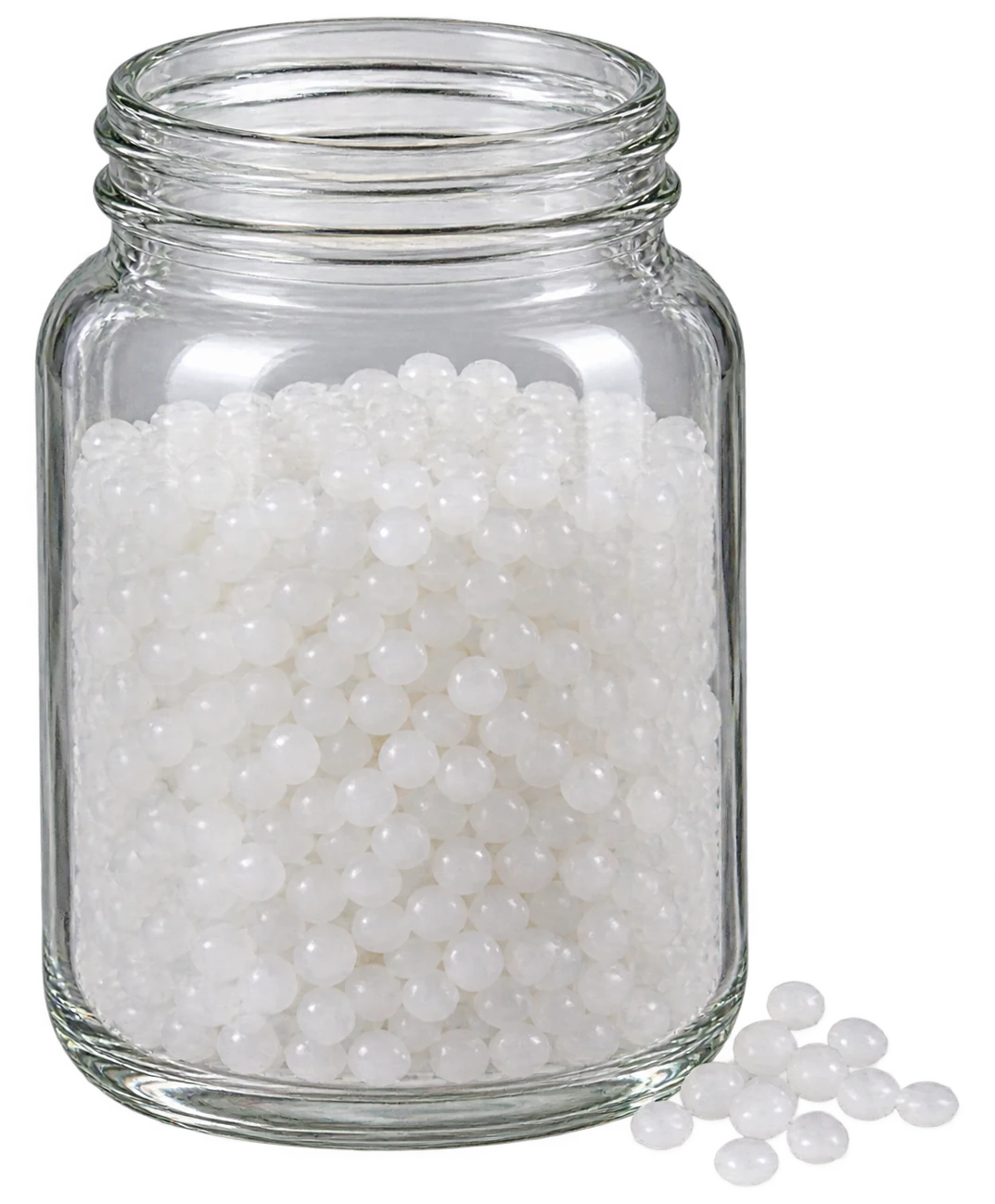
Image credits Illustrations made for PST.
Stir the liquid to feel how thick it is
Move the mouse or a finger across the liquid. Press and drag to stir harder. Keyboard: arrow keys stir, Space shakes.
Very thin Water-thin or thinner. Ripples run fast and ring for a long time.
- Stir speed
- 0 px/s
- Liquid movement
- 0%
- Settled after
- -
- Surface
- Still
The class is a guide for feel. The viscosity figure shown is the one in the specification data.
How it looks
Colourless gas
Where it is used
- Polypropylene
- Propylene oxide
- Acrylonitrile
- Cumene
Handling and safety
- Stored as liquefied gas in pressure spheres or refrigerated tanks. Carried in LPG or ethylene carriers. Sampling via closed pressurised cylinders.
- Extremely flammable; stored liquefied under pressure or refrigerated.
Typical properties
- Appearance
- Colourless gas
- Boiling range
- -47.6 to -47.6 °C
- Viscosity
- Not applicable
- Pour point
- Melting point -185 C
- Typical sulphur
- Below 1 ppm
◉What it is
Propylene is a gas at room temperature with a boiling point of -47.6 C (Wikipedia). Steam cracking of naphtha is the main source, FCC units produce about 20 to 25 percent by mass in high-severity operation, and propane dehydrogenation (PDH) is the main on-purpose route (Wikipedia). Grades include refinery grade (50 to 70%), chemical grade (92 to 96%) and polymer grade (99.5% min). It is used for polypropylene, propylene oxide, acrylonitrile, cumene and isopropanol.
⬡What it is made of
C3H6 alkene; polymer grade 99.5% min.
⚛The chemistry
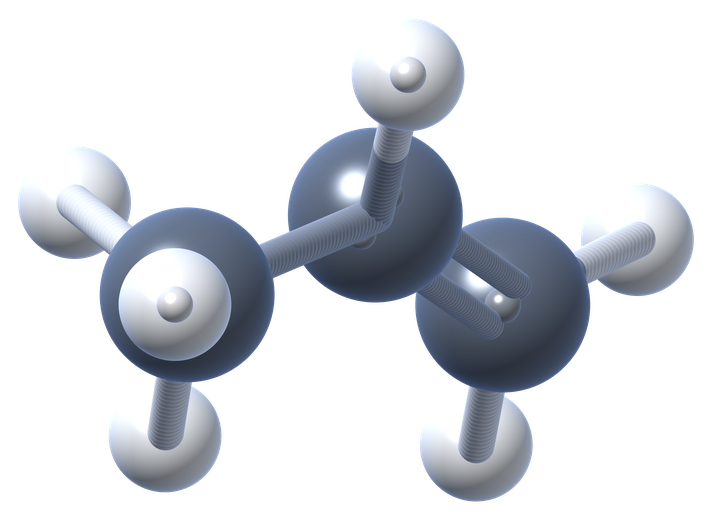
The CH3-CH=CH2 structure has a double bond and a methyl group, which lets it polymerise into stereoregular polypropylene with strong, stiff properties.
⚙How it is made
Steam cracking, FCC (with ZSM-5 additive for more propylene), PDH, and olefin metathesis.
▶How it works
Polymerised with Ziegler-Natta or metallocene catalyst to produce polypropylene.
▣Storage, loading and inspection
Stored as liquefied gas in pressure spheres or refrigerated tanks. Carried in LPG or ethylene carriers. Sampling via closed pressurised cylinders.
★Why it matters in the Gulf
Propylene is made in Gulf crackers, FCC units and propane dehydrogenation plants. Producers and volumes are not stated.
Key molecules
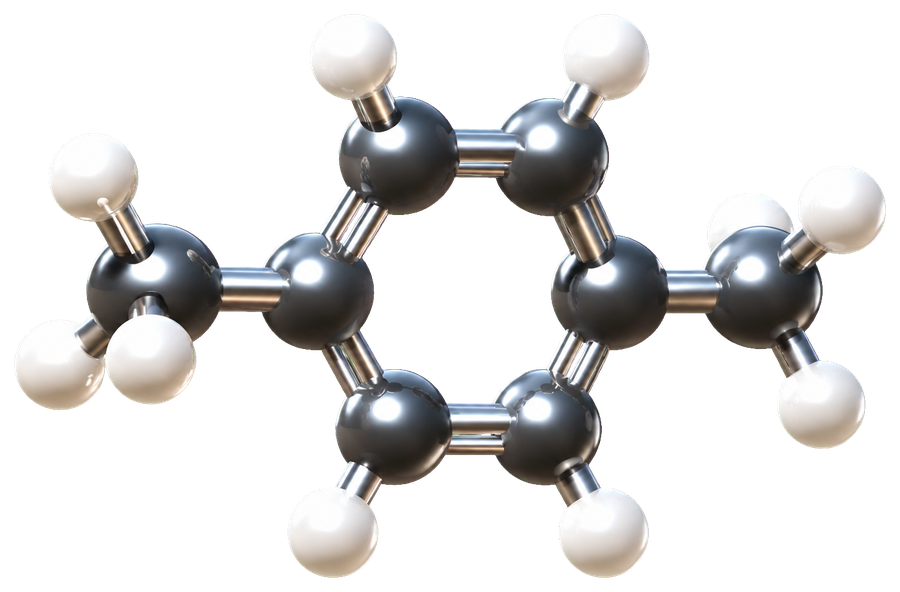
Standards and specifications
| Contract polymer grade specification | Typically 99.5% minimum purity; confirm the test methods with the supplier. |
|---|
Hazards
Extremely flammable; stored liquefied under pressure or refrigerated.
How it is traded
Units
Metric tonnes
Benchmarks
Platts and ICIS propylene (CFR NE Asia, FD NWE)
Typical cargo
LPG-type carriers 5,000 to 30,000 m3
Incoterms
FOB, CFR
Notes
Contract-based.
Refineries that make it: our suggestions
22 listed refineries make this product, 5 of them in the Gulf, Iran and Iraq. We rank Gulf plants first, then operating plants, then by capacity.
- 1Ruwais Refinery
 United Arab Emirates · 922,000 bpdLargest capacity among Gulf-first matchesGulf locationOperatingDeep conversionExport access
- 2SATORP Jubail Refinery
 Saudi Arabia · 465,000 bpdGulf locationOperatingDeep conversionExport access
- 3Petro Rabigh Refinery Saudi Arabia · 400,000 bpdGulf locationOperatingExport access
- 4Ruwais Propane Dehydrogenation (PDH) Unit United Arab Emirates · Not publishedGulf locationOperatingExport access
- 5Jamnagar Refinery (Reliance)
 India · 1,400,000 bpdOperatingDeep conversionExport access
- 6Nayara Energy Vadinar Refinery India · 400,000 bpdOperatingDeep conversionExport access



Terminals that handle it

Did you know
💡 High-severity FCC can produce about 20 to 25 percent propylene (Wikipedia).
💡 Propylene is UN1077, or UN1075 when it is part of LPG (Wikipedia).
Test yourself on Propylene (Refinery and Petrochemical Stream)
Formula?
More in this group
- White Spirit
- Hexane (n-Hexane, Commercial Hexane)
- Benzene
- Toluene
- Mixed Xylene
- Para-Xylene (PX)
- MTBE (Methyl Tert-Butyl Ether)
- Ethylene (Refinery and Petrochemical Stream)
Sources
Written in PST's own words from the sources above. Confidence in the data: medium. Typical values vary by origin and contract, so always read the specification in your own contract.