Middle distillates
Biodiesel Blends (FAME, B7 to B20)
Biodiesel is a diesel substitute made from fats and oils reacted with methanol to give fatty acid methyl esters (FAME). It is blended with petroleum diesel at levels such as B7 or B20.
← Todos los productosTambién llamado: FAME, B7, B20, Fatty acid methyl ester
- Punto de inflamaciónAbove 101 C for pure FAME (EN 14214)
- Densidad860 to 900 kg/m³
- Viscosidad3.5 to 5.0 mm2/s at 40 C (EN 14214)
- Flujo en fríoVaries widely with feedstock; cloud point can be above 0 C
- AzufreMax 10 mg/kg
- Rango de ebullición330 to 360 °C
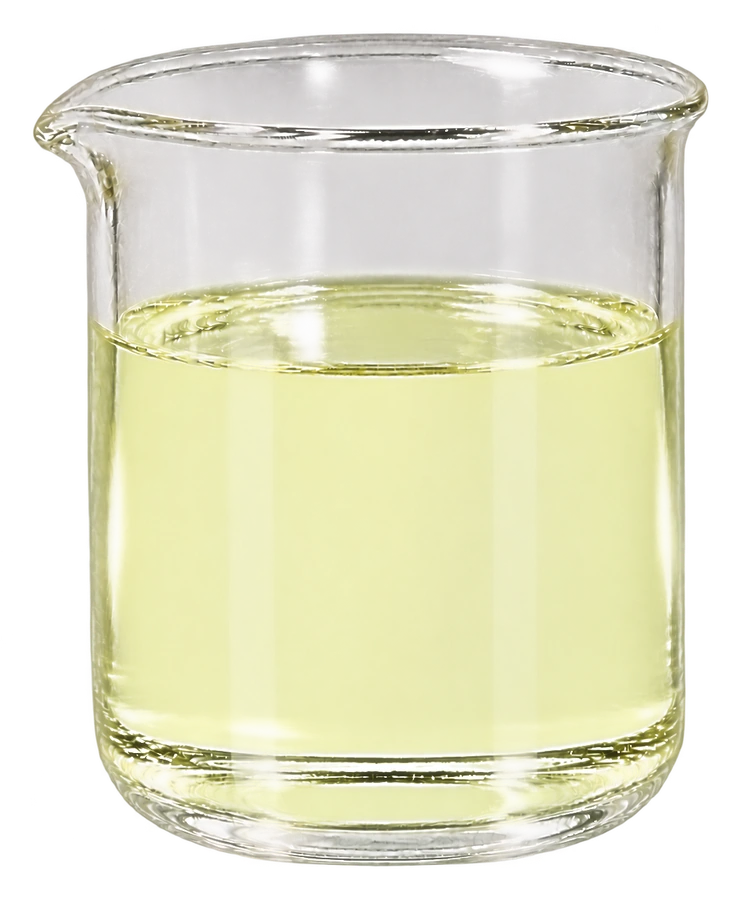
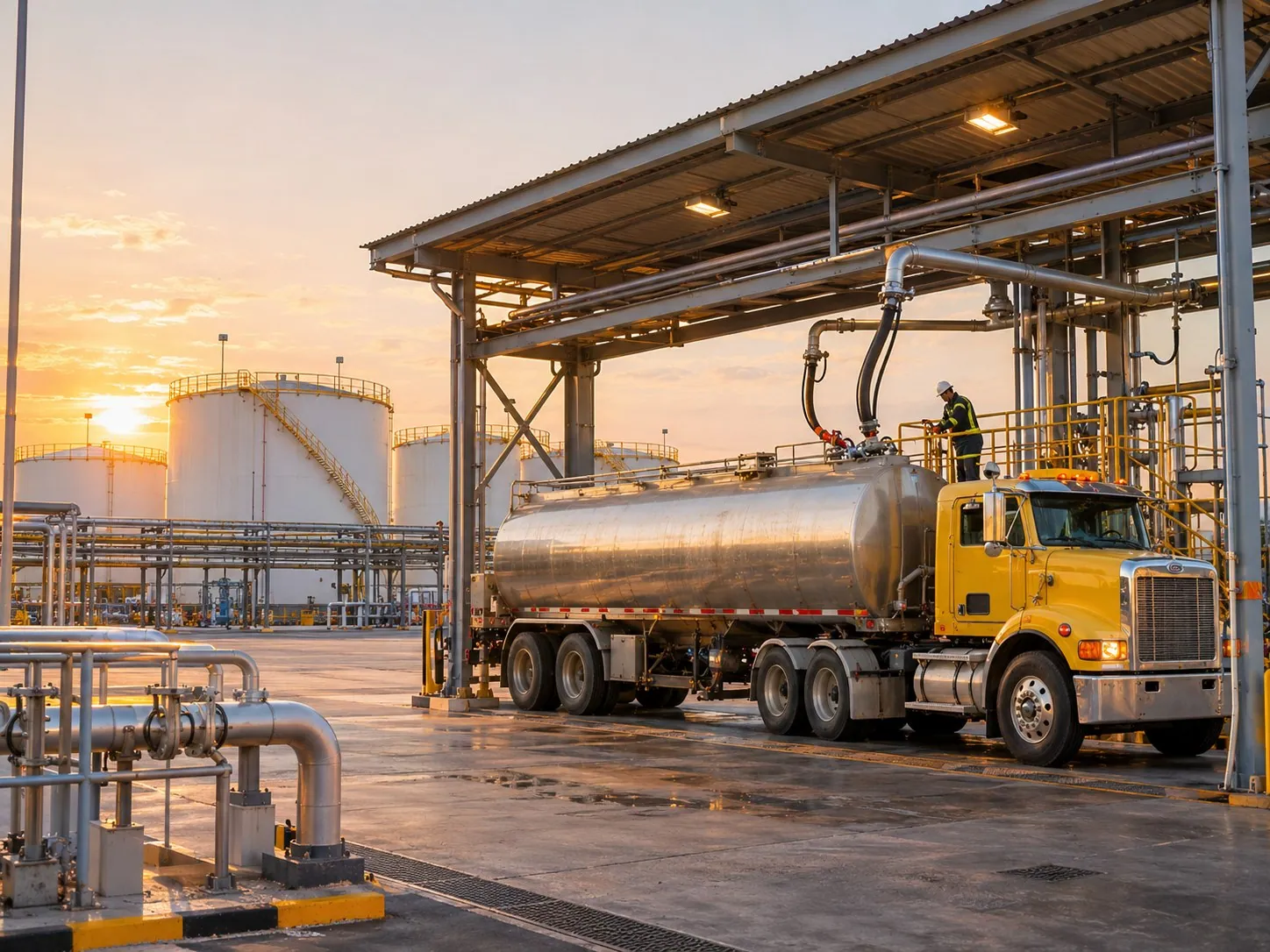
Créditos de las imágenes Las muestras en vidrio de laboratorio se elaboran a partir de fotos de referencia de Wikimedia Commons de Chemik10 (CC BY-SA 2.5) y una foto de muestra de petróleo CC0. Fotografía: elaborada a partir de una foto de referencia de DanTD, CC BY-SA 3.0, vía Wikimedia Commons.
Agite el líquido para sentir su espesor
Mueva el ratón o un dedo sobre el líquido. Mantenga pulsado y arrastre para agitar con más fuerza. Teclado: las flechas agitan, la barra espaciadora sacude.
Fino Ligero y fluido. Las ondas se propagan rápido y se apagan despacio.
Viscosidad típica según los datos3.5 to 5.0 mm2/s at 40 C (EN 14214)
- Velocidad de agitación
- 0 px/s
- Movimiento del líquido
- 0%
- Se calma tras
- -
- Superficie
- Quieto
La clase es solo una guía de sensación. La viscosidad indicada es la de los datos de la especificación.
Aspecto
Clear amber to yellow
Dónde se utiliza
- Blend component in road diesel
- Fleet fuel (B20)
- Marine biofuel blends
- Off-grid power generation
Manipulación y seguridad
- Keep tanks dry and clean; use within 6 months where possible; add antioxidant if needed. Heat tanks in cold climates to avoid gelling. Sample and test for oxidation stability and water.
- B100 is combustible and biodegradable and can degrade some seals and filters.
Propiedades típicas
- Aspecto
- Clear amber to yellow
- Densidad a 15 °C
- 860 to 900 kg/m³
- Rango de ebullición
- 330 to 360 °C
- Punto de inflamación
- Above 101 C for pure FAME (EN 14214)
- Viscosidad
- 3.5 to 5.0 mm2/s at 40 C (EN 14214)
- Punto de fluidez
- Varies widely with feedstock; cloud point can be above 0 C
- Azufre típico
- Max 10 mg/kg
◉What it is
Biodiesel is a renewable fuel produced by reacting vegetable oils, used cooking oil or animal fats with methanol. The product is a mixture of fatty acid methyl esters called FAME. Blends are named by percentage, for example B7 contains 7 percent biodiesel and 93 percent petroleum diesel. EN 590 allows up to 7 percent FAME. Higher blends such as B20 are used in fleets and some countries. FAME has slightly lower energy content than diesel and can have poorer cold flow and storage stability.
⬡What it is made of
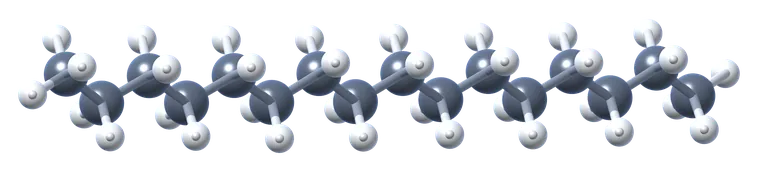
Fatty acid methyl esters, typically C16 to C18 chains, with some saturated and unsaturated esters.
⚛La química
A FAME molecule is R-COO-CH3, where R is a long hydrocarbon chain derived from a fatty acid. The oxygen in the ester group means FAME has lower energy per kilogram but burns cleanly and has good lubricity. Saturated chains (such as palmitate) give high cetane but poor cold flow; unsaturated chains (such as oleate) improve cold flow but oxidise more easily.
⚙How it is made
Transesterification: vegetable oil or fat reacts with methanol in the presence of a catalyst (such as sodium methoxide) to give FAME and glycerol. About 100 kg of glycerol is produced per tonne of biodiesel (Wikipedia). The FAME is washed and dried, then blended at terminals.
▶How it works
FAME has cetane similar to or higher than diesel and good lubricity. It can attract water, grow microbes and oxidise during storage. Blends up to B20 are usually fine in standard diesel engines, though some manufacturers limit allowed blend levels.
▣Storage, loading and inspection
Keep tanks dry and clean; use within 6 months where possible; add antioxidant if needed. Heat tanks in cold climates to avoid gelling. Sample and test for oxidation stability and water.
★Why it matters in the Gulf
Regional FAME use is small compared with Europe, and trading hubs may handle biofuel blends. UAE biodiesel production details are not stated.
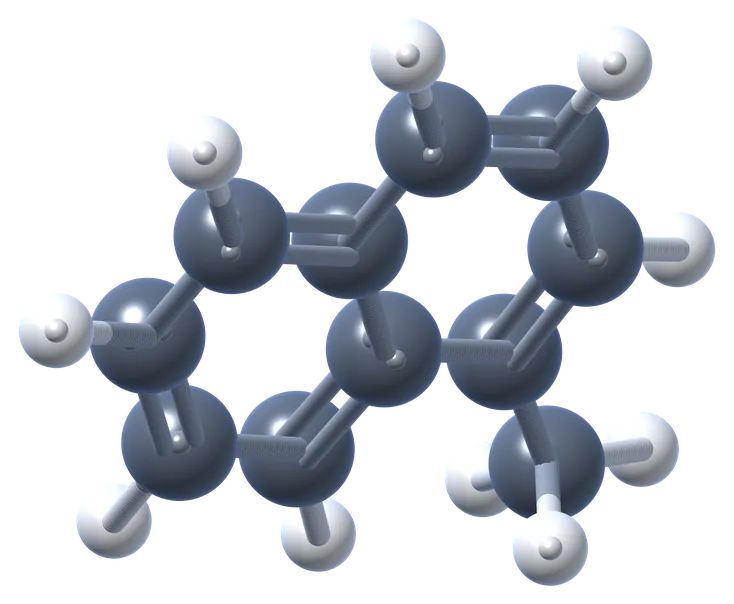
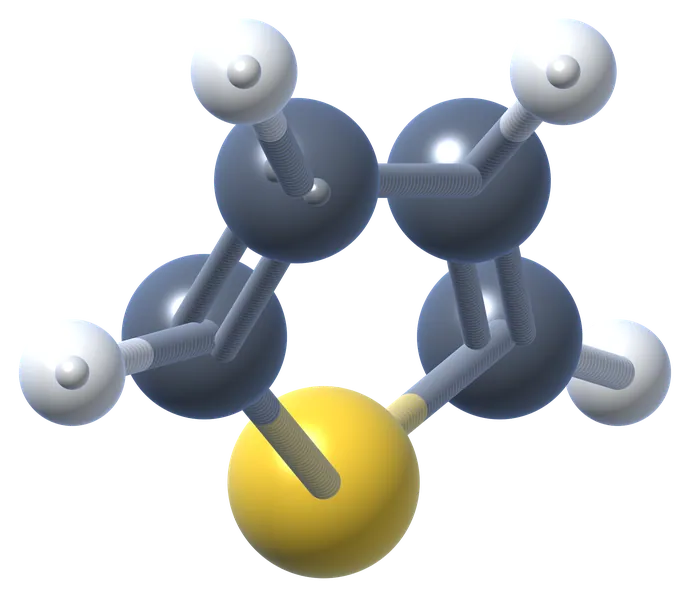
Moléculas clave
Normas y especificaciones
| EN 14214 | European FAME biodiesel quality standard |
|---|---|
| ASTM D6751 | US B100 standard |
| ASTM D7467 | US B6 to B20 blend standard |
| EN 590 | Allows up to 7% v/v FAME in diesel |
Peligros
B100 is combustible and biodegradable and can degrade some seals and filters.
Cómo se comercializa
Units
Metric tonnes and cubic metres
Benchmarks
Platts and Argus FAME assessments (for example FAME 0 and RME)
Typical cargo
Parcels of 1,000 to 30,000 mt
Incoterms
FOB, CIF, DAP
Notes
Prices follow vegetable oil, used cooking oil and tax or mandate rules.
Refinerías que lo producen: nuestras sugerencias
152 refinerías de la lista producen este producto, 42 de ellas en el Golfo, Irán e Irak. Ordenamos primero las plantas del Golfo, después las que están en operación y luego por capacidad.
- 1Ruwais Refinery
 United Arab Emirates · 922,000 bpdLargest capacity among Gulf-first matchesGulf locationOperatingDeep conversionAcceso de exportación
- 2Al-Zour Refinery
 Kuwait · 615,000 bpdGulf locationOperatingAcceso de exportación
- 3Ras Tanura Refinery
 Saudi Arabia · 550,000 bpdGulf locationOperatingDeep conversionAcceso de exportación
- 4SATORP Jubail Refinery Saudi Arabia · 465,000 bpdGulf locationOperatingDeep conversionAcceso de exportación
- 5Mina Abdullah Refinery Kuwait · 454,000 bpdGulf locationOperatingAcceso de exportación
- 6SAMREF Yanbu Refinery Saudi Arabia · 400,000 bpdGulf locationOperatingAcceso de exportación




Terminales que lo manipulan
- Port of Fujairah (anchorage and bunkering) United Arab Emirates
- Ras Tanura terminal Saudi Arabia
- Vopak Horizon Fujairah United Arab Emirates
- Bapco Sitra tank farm and marine terminal
 Bahrain
- Yanbu oil terminals (Red Sea) Saudi Arabia
- VTTI Fujairah United Arab Emirates



¿Sabía que…?
💡 About 100 kg of glycerol is produced per tonne of biodiesel (Wikipedia).
💡 Rudolf Diesel's engine ran on peanut oil at the 1900 Paris Exposition (Wikipedia).
Póngase a prueba sobre Biodiesel Blends (FAME, B7 to B20)
What is B7?
Más de este grupo
- Jet A-1
- Kerosene (illuminating)
- Diesel EN 590 (10 ppm)
- Ultra Low Sulphur Diesel (ULSD)
- Gasoil 500 ppm
- Gasoil 50 ppm
- Heating Oil
- Automotive Gasoil (AGO)
- Red Diesel (Marked Diesel)
- Marine Gasoil MGO (DMA)
- Marine Diesel DMB
- LSMGO (0.1% Sulphur ECA Fuel)
Fuentes
Redactado con palabras propias de PST a partir de las fuentes anteriores. Fiabilidad de los datos: medium. Los valores típicos varían según el origen y el contrato, por lo que debe leer siempre la especificación de su propio contrato.