Middle distillates
Heating Oil
Heating oil is a light distillate similar to diesel that is burned in boilers and furnaces. It is often dyed or marked for tax reasons.
← Todos los productosTambién llamado: Home heating oil, Fuel oil No. 2, Gasoil for heating, Domestic heating oil
- Punto de inflamaciónAbove 38 C (ASTM D396 No. 2 minimum 38 C); 55 C in many European specifications
- Densidad820 to 870 kg/m³
- Viscosidad1.9 to 3.4 mm2/s at 40 C (ASTM D396 No. 2)
- Flujo en fríoTypically below -6 C for grade 2
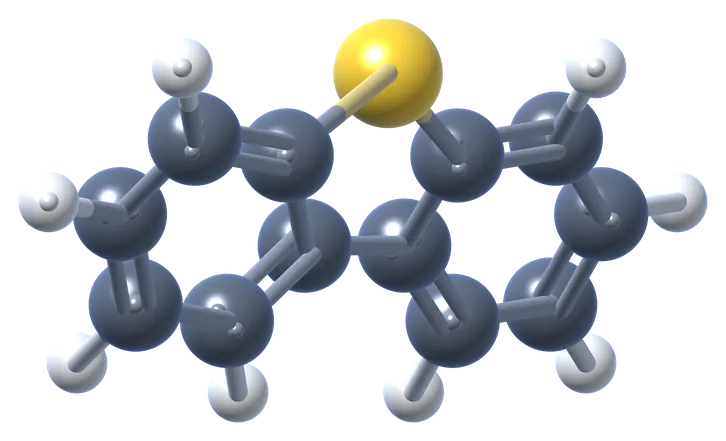
- AzufreVaries from 10 ppm to 0.1% depending on market
- Rango de ebullición170 to 390 °C
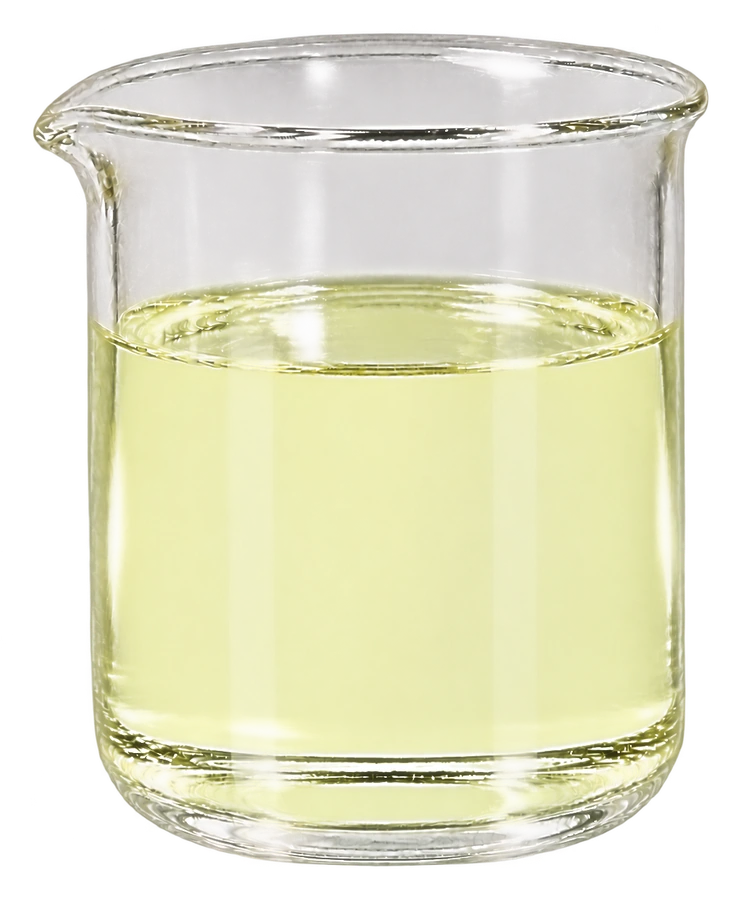

Créditos de las imágenes Las muestras en vidrio de laboratorio se elaboran a partir de fotos de referencia de Wikimedia Commons de Chemik10 (CC BY-SA 2.5) y una foto de muestra de petróleo CC0. Fotografía: elaborada a partir de una foto de referencia de DanTD, CC BY-SA 3.0, vía Wikimedia Commons.
Agite el líquido para sentir su espesor
Mueva el ratón o un dedo sobre el líquido. Mantenga pulsado y arrastre para agitar con más fuerza. Teclado: las flechas agitan, la barra espaciadora sacude.
Fino Ligero y fluido. Las ondas se propagan rápido y se apagan despacio.
Viscosidad típica según los datos1.9 to 3.4 mm2/s at 40 C (ASTM D396 No. 2)
- Velocidad de agitación
- 0 px/s
- Movimiento del líquido
- 0%
- Se calma tras
- -
- Superficie
- Quieto
La clase es solo una guía de sensación. La viscosidad indicada es la de los datos de la especificación.
Aspecto
Pale yellow to red or blue when dyed
Dónde se utiliza
- Home and building heating
- Industrial boilers and dryers
- Backup generators
- Blending stock for diesel in some markets
Manipulación y seguridad
- Store in clean, water-free tanks with water drains and fuel-compatible coatings; keep away from copper and zinc surfaces that harm stability. Watch water and microbial growth at the tank bottom and sample from top, middle and bottom with an automatic or manual sampler under ASTM D4057 or ISO 3170. Independent inspectors normally check quantity, density, sulphur, flash point and appearance at loading and discharge. Cold-climate cargoes may need cold-flow additives.
- Combustible rather than highly flammable (flash point above 55 C for most specifications). Harmful to aquatic life. Vapours can form explosive mixtures when heated or misted.
Propiedades típicas
- Aspecto
- Pale yellow to red or blue when dyed
- Densidad a 15 °C
- 820 to 870 kg/m³
- Rango de ebullición
- 170 to 390 °C
- Punto de inflamación
- Above 38 C (ASTM D396 No. 2 minimum 38 C); 55 C in many European specifications
- Viscosidad
- 1.9 to 3.4 mm2/s at 40 C (ASTM D396 No. 2)
- Punto de fluidez
- Typically below -6 C for grade 2
- Azufre típico
- Varies from 10 ppm to 0.1% depending on market
◉What it is
Heating oil is a low-viscosity fuel used for space heating in homes and commercial buildings. In North America it is called No. 2 fuel oil and is chemically almost identical to diesel, but it is taxed less and marked with dye or chemical tracers. In Europe it is often a gasoil with higher allowed sulphur or a lower cost specification. Heating oil burns in pressure-jet burners after atomisation. Because it is stored in outdoor or basement tanks, cold-flow quality and stability during long storage matter.
⬡What it is made of
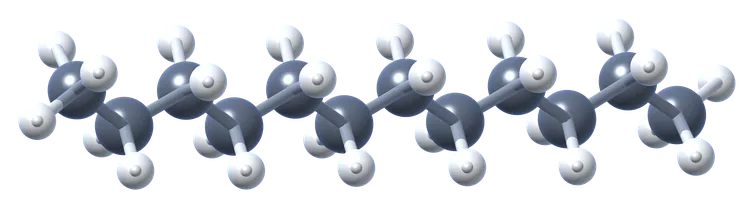
Typically C10 to C22 (mostly C12 to C20) paraffins, naphthenes and aromatics; boiling roughly 170 to 390 C.
⚛La química
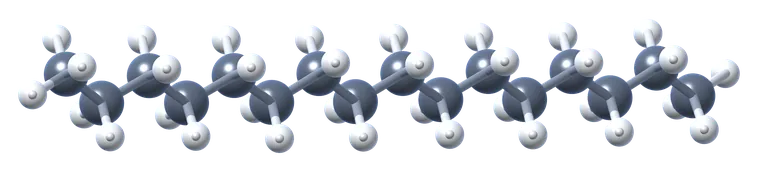
Diesel is mostly straight and branched alkanes such as hexadecane (C16H34, the cetane reference), plus cycloalkanes and alkylbenzenes. Long straight alkanes ignite easily under compression, which gives a high cetane number, but they also form wax crystals in cold weather. Aromatics and cycloalkanes ignite less readily and lower the cetane number but improve cold flow and density.
⚙How it is made
Taken from the middle distillate cut of the CDU and treated in hydrotreaters to the required sulphur level. Cheaper marker dyes and tracers are added where tax rules require.
▶How it works
Atomised oil mixes with air and burns, releasing about 38 MJ per litre. Sulphur determines the amount of SO2 in flue gas. Wax crystals can block filters in cold weather, so winter grades are blended with kerosene or additives.
▣Storage, loading and inspection
Store in clean, water-free tanks with water drains and fuel-compatible coatings; keep away from copper and zinc surfaces that harm stability. Watch water and microbial growth at the tank bottom and sample from top, middle and bottom with an automatic or manual sampler under ASTM D4057 or ISO 3170. Independent inspectors normally check quantity, density, sulphur, flash point and appearance at loading and discharge. Cold-climate cargoes may need cold-flow additives.
★Why it matters in the Gulf
Heating demand in the GCC is minimal. Heating oil specifications appear mainly in export trades and in storage at Fujairah. Central Asia, a priority region for PST, uses heating oil and similar grades seasonally.
Moléculas clave
Normas y especificaciones
| ASTM D396 | US standard for fuel oils, including No. 1 and No. 2 grades. |
|---|---|
| BS 2869 Class C2 | UK domestic heating oil (kerosene type). |
| National heating gasoil standards | European heating gasoil rules vary by country, for example DIN 51603-1 in Germany. |
Peligros
Combustible rather than highly flammable (flash point above 55 C for most specifications). Harmful to aquatic life. Vapours can form explosive mixtures when heated or misted.
Cómo se comercializa
Units
Metric tonnes, with barrels (about 7.5 bbl per tonne at typical density) and cubic metres used for pricing and storage. In US trading, gallons and ULSD heating oil (NYMEX contract).
Benchmarks
NY Harbor heating oil and ULSD futures historically; Platts gasoil assessments in Europe and the Gulf
Typical cargo
Barge or tanker parcels from 2,000 to 30,000 mt
Incoterms
FOB (Arab Gulf load port), CFR or CIF (destination), DAP for inland deliveries; FCA for road or rail.
Notes
Often traded together with diesel and taxed differently by country.
Refinerías que lo producen: nuestras sugerencias
152 refinerías de la lista producen este producto, 42 de ellas en el Golfo, Irán e Irak. Ordenamos primero las plantas del Golfo, después las que están en operación y luego por capacidad.
- 1Ruwais Refinery
 United Arab Emirates · 922,000 bpdLargest capacity among Gulf-first matchesGulf locationOperatingDeep conversionAcceso de exportación
- 2Al-Zour Refinery
 Kuwait · 615,000 bpdGulf locationOperatingAcceso de exportación
- 3Ras Tanura Refinery
 Saudi Arabia · 550,000 bpdGulf locationOperatingDeep conversionAcceso de exportación
- 4SATORP Jubail Refinery Saudi Arabia · 465,000 bpdGulf locationOperatingDeep conversionAcceso de exportación
- 5Mina Abdullah Refinery Kuwait · 454,000 bpdGulf locationOperatingAcceso de exportación
- 6SAMREF Yanbu Refinery Saudi Arabia · 400,000 bpdGulf locationOperatingAcceso de exportación




Terminales que lo manipulan
- Port of Fujairah (anchorage and bunkering) United Arab Emirates
- Ras Tanura terminal Saudi Arabia
- Vopak Horizon Fujairah United Arab Emirates
- Bapco Sitra tank farm and marine terminal
 Bahrain
- Yanbu oil terminals (Red Sea) Saudi Arabia
- VTTI Fujairah United Arab Emirates




¿Sabía que…?
💡 Heating oil is dyed in many countries so authorities can detect illegal use in road vehicles.
💡 No. 2 heating oil is chemically very similar to diesel but is taxed less.
Póngase a prueba sobre Heating Oil
In the US, heating oil is usually called which grade?
Más de este grupo
- Jet A-1
- Kerosene (illuminating)
- Diesel EN 590 (10 ppm)
- Ultra Low Sulphur Diesel (ULSD)
- Gasoil 500 ppm
- Gasoil 50 ppm
- Automotive Gasoil (AGO)
- Red Diesel (Marked Diesel)
- Marine Gasoil MGO (DMA)
- Marine Diesel DMB
- LSMGO (0.1% Sulphur ECA Fuel)
- Biodiesel Blends (FAME, B7 to B20)
Fuentes
Redactado con palabras propias de PST a partir de las fuentes anteriores. Fiabilidad de los datos: medium. Los valores típicos varían según el origen y el contrato, por lo que debe leer siempre la especificación de su propio contrato.