Middle distillates
Diesel EN 590 (10 ppm)
EN 590 is the European specification for road diesel, limited to 10 mg/kg of sulphur. It is the most widely traded clean diesel grade outside North America.
← همهٔ محصولاتنامهای دیگر: EN 590 diesel, Euro diesel, ULSD 10 ppm, Gasoil 10 ppm
- نقطهٔ اشتعالAbove 55 C (EN 590 minimum)
- چگالی820 to 845 kg/m³
- گرانروی2.0 to 4.5 mm2/s at 40 C
- جریان در سرماSet by climate class. Temperate classes A to F have a maximum CFPP from +5 to minus 20 C; arctic classes 0 to 4 run from minus 20 to minus 44 C.
- گوگردMax 10 mg/kg (10 ppm)
- بازهٔ جوش170 to 360 °C
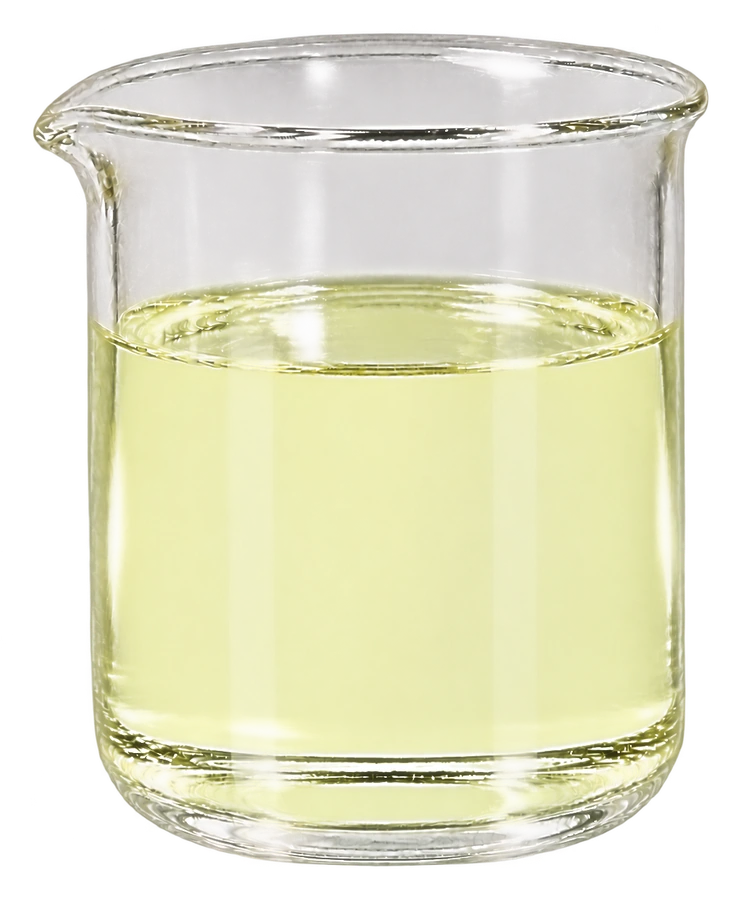
منبع تصاویر نمونههای شیشهای آزمایشگاهی از روی عکسهای مرجع در ویکیمدیا کامنز ساخته شدهاند، اثر Chemik10 (CC BY-SA 2.5) و یک عکس نمونهٔ نفتی با مجوز CC0. عکس: ساختهشده از روی عکس مرجع از DanTD, CC BY-SA 3.0, از طریق Wikimedia Commons.
مایع را هم بزنید تا غلظت آن را حس کنید
ماوس یا انگشت را روی مایع حرکت دهید. برای همزدن شدیدتر، فشار دهید و بکشید. صفحهکلید: کلیدهای جهتدار هم میزنند و Space تکان میدهد.
رقیق سبک و روان. موجها سریع حرکت میکنند و دیر محو میشوند.
گرانروی معمول بر اساس دادهها2.0 to 4.5 mm2/s at 40 C
- سرعت همزدن
- 0 px/s
- حرکت مایع
- 0%
- آرامگرفتن پس از
- -
- سطح
- ساکن
این رده فقط راهنمای حس مایع است. عدد گرانروی نمایشدادهشده همان است که در دادههای مشخصات آمده.
ظاهر محصول
Clear to pale yellow liquid, bright and free of visible water
کاربردها
- Cars, vans, trucks and buses
- Rail locomotives and light marine engines
- Generators and construction machinery
- Blending base for biodiesel and HVO blends
جابهجایی و ایمنی
- Store in clean, water-free tanks with water drains and fuel-compatible coatings; keep away from copper and zinc surfaces that harm stability. Watch water and microbial growth at the tank bottom and sample from top, middle and bottom with an automatic or manual sampler under ASTM D4057 or ISO 3170. Independent inspectors normally check quantity, density, sulphur, flash point and appearance at loading and discharge. Cold-climate cargoes may need cold-flow additives.
- Combustible rather than highly flammable (flash point above 55 C for most specifications). Harmful to aquatic life. Vapours can form explosive mixtures when heated or misted.
ویژگیهای معمول
- ظاهر
- Clear to pale yellow liquid, bright and free of visible water
- چگالی در 15 °C
- 820 to 845 kg/m³
- بازهٔ جوش
- 170 to 360 °C
- نقطهٔ اشتعال
- Above 55 C (EN 590 minimum)
- گرانروی
- 2.0 to 4.5 mm2/s at 40 C
- نقطهٔ ریزش
- Set by climate class. Temperate classes A to F have a maximum CFPP from +5 to minus 20 C; arctic classes 0 to 4 run from minus 20 to minus 44 C.
- گوگرد معمول
- Max 10 mg/kg (10 ppm)
◉What it is
EN 590 diesel is the standard automotive diesel in the European Union and is also referenced by many importing countries outside Europe. The standard sets limits for sulphur, cetane number, density, distillation, flash point, cold flow and lubricity. Its sulphur limit of 10 ppm matches Euro 5 and later vehicle standards and allows modern exhaust filters to work. The fuel may contain up to 7 percent by volume of fatty acid methyl ester (FAME) biodiesel. It is made mainly by hydrotreating middle distillate streams from crude distillation and cracking units.
⬡What it is made of
Typically C10 to C22 (mostly C12 to C20) paraffins, naphthenes and aromatics; boiling roughly 170 to 390 C.
⚛شیمی
Diesel is mostly straight and branched alkanes such as hexadecane (C16H34, the cetane reference), plus cycloalkanes and alkylbenzenes. Long straight alkanes ignite easily under compression, which gives a high cetane number, but they also form wax crystals in cold weather. Aromatics and cycloalkanes ignite less readily and lower the cetane number but improve cold flow and density.
⚙How it is made
Crude oil is split in the atmospheric distillation unit (CDU). Straight-run gasoil, together with light cycle oil from FCC units and gasoil from hydrocrackers or cokers, is sent to a hydrotreater that uses hydrogen over a cobalt-molybdenum or nickel-molybdenum catalyst to remove sulphur and nitrogen. Cetane improvers, lubricity additives and cold-flow improvers are added in the blending stage.
▶How it works
In a diesel engine the fuel is injected into hot compressed air and ignites without a spark. Cetane number (minimum 51 in EN 590) measures ignition quality: a higher number means shorter ignition delay and smoother combustion. Low sulphur removes the sulphur dioxide that would poison catalysts and filters, but severe hydrotreating also removes natural lubricating compounds, so lubricity additives are added.
▣Storage, loading and inspection
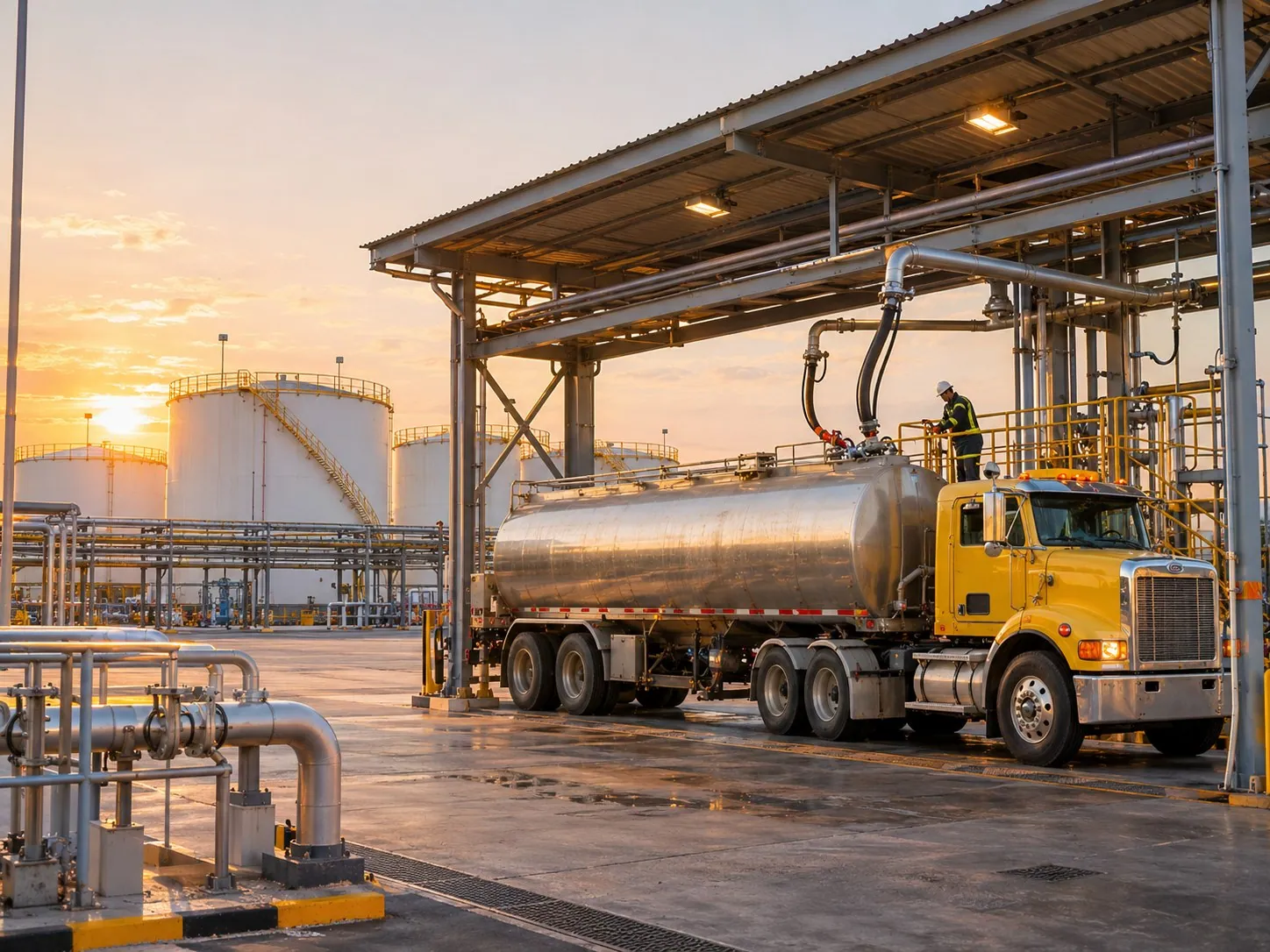
Store in clean, water-free tanks with water drains and fuel-compatible coatings; keep away from copper and zinc surfaces that harm stability. Watch water and microbial growth at the tank bottom and sample from top, middle and bottom with an automatic or manual sampler under ASTM D4057 or ISO 3170. Independent inspectors normally check quantity, density, sulphur, flash point and appearance at loading and discharge. Cold-climate cargoes may need cold-flow additives.
★Why it matters in the Gulf
Gulf refineries export diesel to East Africa, Pakistan and Europe, and Fujairah and Jebel Ali are major storage and trading points. Wikipedia reports about 10 million cubic metres of refined-product storage at Fujairah. The sulphur grades of Gulf domestic road diesel are not stated.
مولکولهای کلیدی
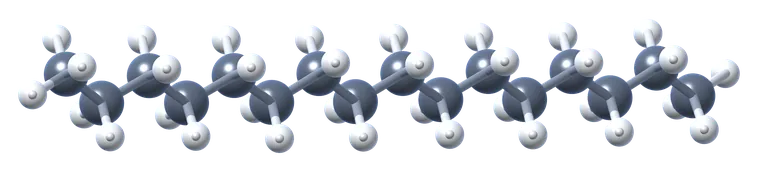
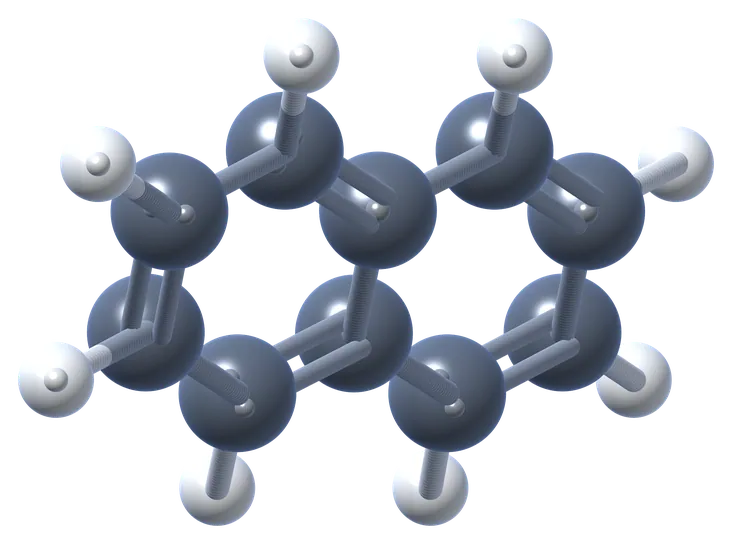
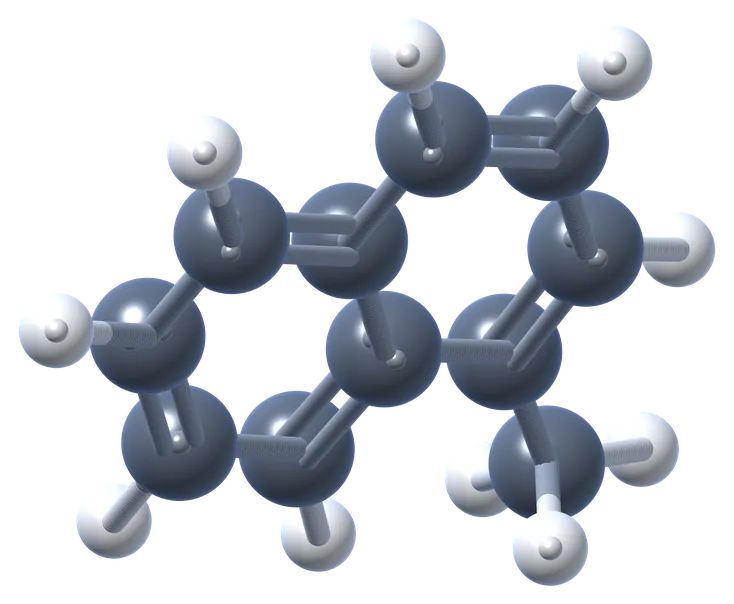
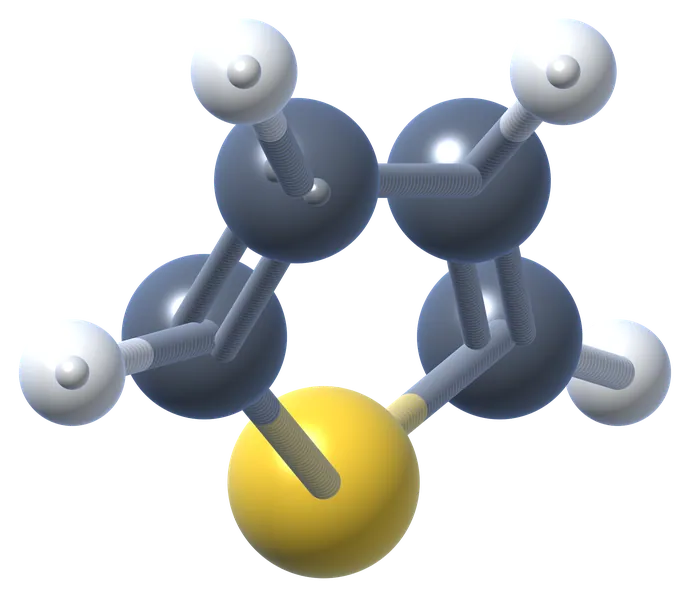
استانداردها و مشخصات
| EN 590 | European road diesel specification: sulphur 10 mg/kg max, cetane number 51 min, density 820 to 845 kg/m3, up to 7% v/v FAME. |
|---|---|
| EN 14214 | Quality standard for the FAME biodiesel allowed as a blend component |
| ASTM D975 | US counterpart; not interchangeable with EN 590 limits |
خطرات
Combustible rather than highly flammable (flash point above 55 C for most specifications). Harmful to aquatic life. Vapours can form explosive mixtures when heated or misted.
نحوهٔ معامله
Units
Metric tonnes, with barrels (about 7.5 bbl per tonne at typical density) and cubic metres used for pricing and storage.
Benchmarks
Platts and Argus assessments for ULSD 10 ppm in Northwest Europe and the Mediterranean; ICE Low Sulphur Gasoil futures (a 10 ppm contract) as the paper benchmark
Typical cargo
Commonly 30,000 to 37,000 mt on a Medium Range tanker or 5,000 to 10,000 mt barges for coastal trades
Incoterms
FOB (Arab Gulf load port), CFR or CIF (destination), DAP for inland deliveries; FCA for road or rail.
Notes
Quality is verified by independent surveyors against the EN 590 certificate of analysis at load port.
پالایشگاههایی که آن را تولید میکنند: پیشنهاد ما
152 پالایشگاه فهرستشده این محصول را تولید میکنند که 42 تا از آنها در خلیج فارس، ایران و عراق است. پالایشگاههای خلیج فارس را اول میآوریم، سپس واحدهای در حال بهرهبرداری، و بعد بر اساس ظرفیت.
- 1Ruwais Refinery
 United Arab Emirates · 922,000 bpdLargest capacity among Gulf-first matchesGulf locationOperatingDeep conversionدسترسی به صادرات
- 2Al-Zour Refinery
 Kuwait · 615,000 bpdGulf locationOperatingدسترسی به صادرات
- 3Ras Tanura Refinery
 Saudi Arabia · 550,000 bpdGulf locationOperatingDeep conversionدسترسی به صادرات
- 4SATORP Jubail Refinery Saudi Arabia · 465,000 bpdGulf locationOperatingDeep conversionدسترسی به صادرات
- 5Mina Abdullah Refinery Kuwait · 454,000 bpdGulf locationOperatingدسترسی به صادرات
- 6SAMREF Yanbu Refinery Saudi Arabia · 400,000 bpdGulf locationOperatingدسترسی به صادرات



ترمینالهایی که آن را جابهجا میکنند
- Port of Fujairah (anchorage and bunkering) United Arab Emirates
- Ras Tanura terminal Saudi Arabia
- Vopak Horizon Fujairah United Arab Emirates
- Bapco Sitra tank farm and marine terminal
 Bahrain
- Yanbu oil terminals (Red Sea) Saudi Arabia
- VTTI Fujairah United Arab Emirates



میدانستید؟
💡 Cetane number minimum was 49 for Euro 1 and 2 diesel and rose to 51 for Euro 3 to 5 (Wikipedia).
💡 The sulphur limit fell from 0.2 percent (2,000 ppm) at Euro 1 to 10 mg/kg from 2009, a cut of 99.5 percent.
خودتان را در مورد Diesel EN 590 (10 ppm) بسنجید
What is the maximum sulphur content in EN 590 diesel?
موارد بیشتر در این گروه
- Jet A-1
- Kerosene (illuminating)
- Ultra Low Sulphur Diesel (ULSD)
- Gasoil 500 ppm
- Gasoil 50 ppm
- Heating Oil
- Automotive Gasoil (AGO)
- Red Diesel (Marked Diesel)
- Marine Gasoil MGO (DMA)
- Marine Diesel DMB
- LSMGO (0.1% Sulphur ECA Fuel)
- Biodiesel Blends (FAME, B7 to B20)
منابع
با بیان خود PST و بر پایهٔ منابع بالا نوشته شده است. اطمینان از داده: medium. مقادیر معمول بسته به مبدأ و قرارداد فرق میکند، پس مشخصات را همیشه در قرارداد خودتان بخوانید.