Bitumen and solids
Polymer Modified Bitumen (PMB)
PMB is bitumen blended with polymers such as SBS to improve elasticity and temperature performance. It is used on heavy traffic roads and in roofing membranes.
← Tutti i prodottiDetto anche: PMB, SBS modified bitumen, PG 76-22, Modified binder
- Punto di infiammabilitàTypically above 220 C (varies by grade)
- Densità1000 to 1040 kg/m³
- ViscositàSoftening point at least 65 C for the PMB 45/80-65 grade
- Zolfo1 to 6%
- PericoloUN3257 for hot bitumen shipped as an elevated temperature liquid, Class 9 (elevated temperature liquid, n.o.s., at or above 100 C and below its flash point)
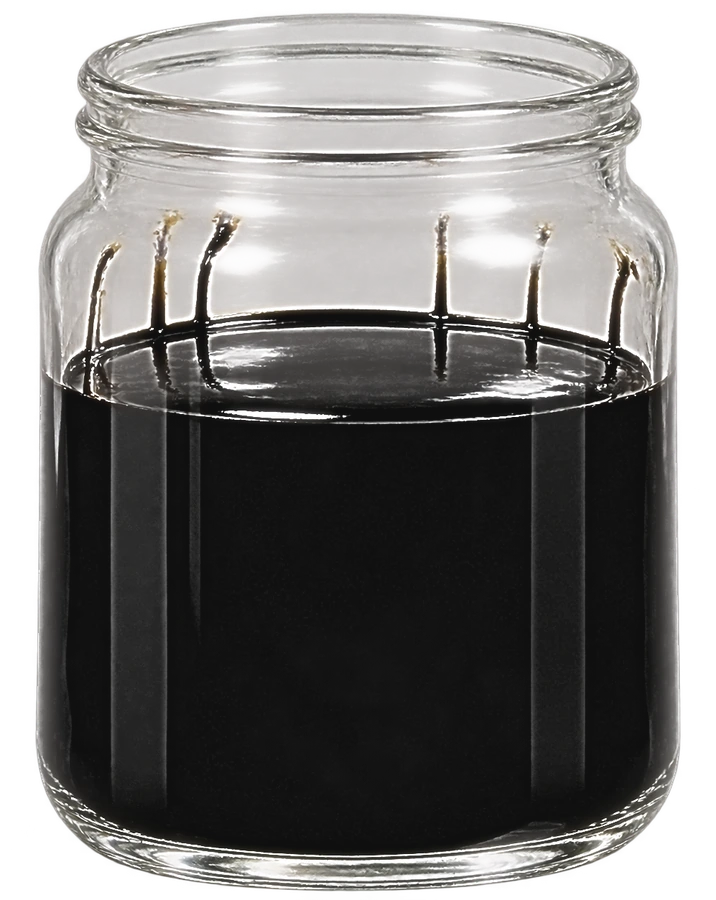

Crediti delle immagini I campioni in vetro da laboratorio sono realizzati da foto di riferimento su Wikimedia Commons di Chemik10 (CC BY-SA 2.5) e una foto di un campione di petrolio CC0.
Polymer Modified Bitumen (PMB) è solido a temperatura ambiente, quindi non c'è liquido da agitare. Softening point at least 65 C for the PMB 45/80-65 grade
Aspetto
Black
Dove si usa
- Heavy traffic roads
- Airports
- Bridge decks
- Roofing membranes
Manipolazione e sicurezza
- Store in insulated, heated tanks at 150 to 180 C; do not hold above 200 C for long because it ages and can foam if water is present. Avoid water contact (violent boiling). Sample with a heated sampler per ASTM D140 or EN 58 and test penetration, softening point and flash point. Trucks and ships need heating coils and loading arms with steam or thermal oil tracing. PMB can separate if stored hot too long; keep stirred.
- Typically stored and moved at about 150 C (Wikipedia). Hot bitumen causes severe burns, and fumes can contain H2S and polycyclic aromatics. Check the local ADR/IMDG classification, which depends on the product and temperature.
Proprietà tipiche
- Aspetto
- Black
- Densità a 15 °C
- 1000 to 1040 kg/m³
- Punto di infiammabilità
- Typically above 220 C (varies by grade)
- Viscosità
- Softening point at least 65 C for the PMB 45/80-65 grade
- Punto di scorrimento
- Not applicable
- Zolfo tipico
- 1 to 6%
◉What it is
Polymer modified bitumen is conventional bitumen that has been blended with polymers. The most common is SBS (styrene-butadiene-styrene), which adds elasticity and resistance to rutting and cracking. Others are plastomers such as EVA and recycled rubber (Wikipedia mentions tyre rubber). PMB is graded by softening point, elastic recovery and penetration. It costs more than plain bitumen but extends pavement life.
⬡What it is made of
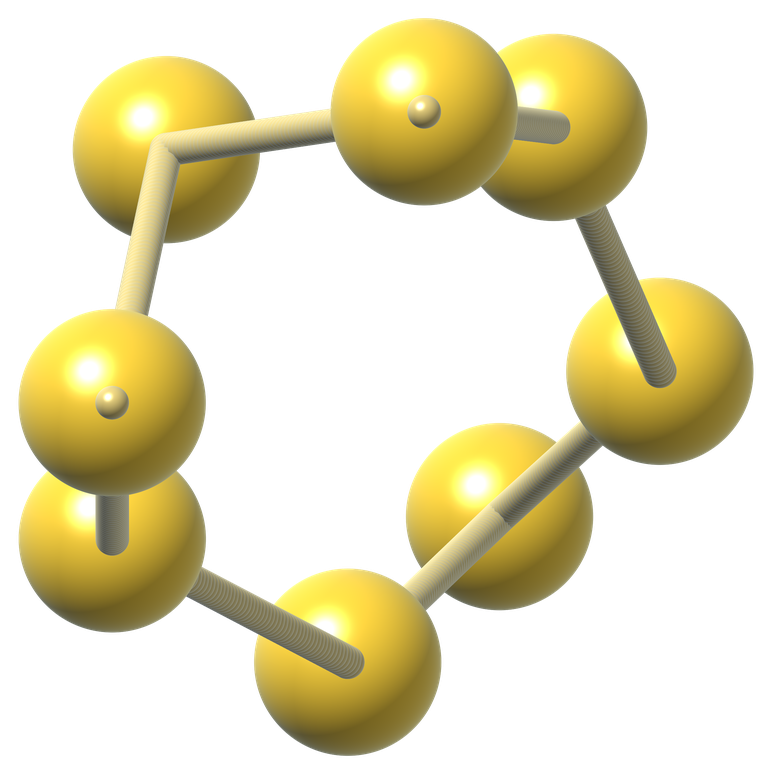
Bitumen plus 2 to 7% polymer; sometimes cross-linking agent such as sulphur.
⚛La chimica
SBS has hard polystyrene end blocks and soft polybutadiene mid blocks. In bitumen the blocks form a network that gives rubber-like elasticity.
⚙How it is made
Base bitumen is mixed with polymer in high shear mills at 170 to 190 C, then held for swelling.
▶How it works
The polymer network lets the binder stretch and recover, so pavement resists rutting in summer and cracking in winter.
▣Storage, loading and inspection
Store in insulated, heated tanks at 150 to 180 C; do not hold above 200 C for long because it ages and can foam if water is present. Avoid water contact (violent boiling). Sample with a heated sampler per ASTM D140 or EN 58 and test penetration, softening point and flash point. Trucks and ships need heating coils and loading arms with steam or thermal oil tracing. PMB can separate if stored hot too long; keep stirred.
★Why it matters in the Gulf
PMB is relevant for Gulf highways and airports where summer pavement temperatures are very high. Regional plant details are not stated.
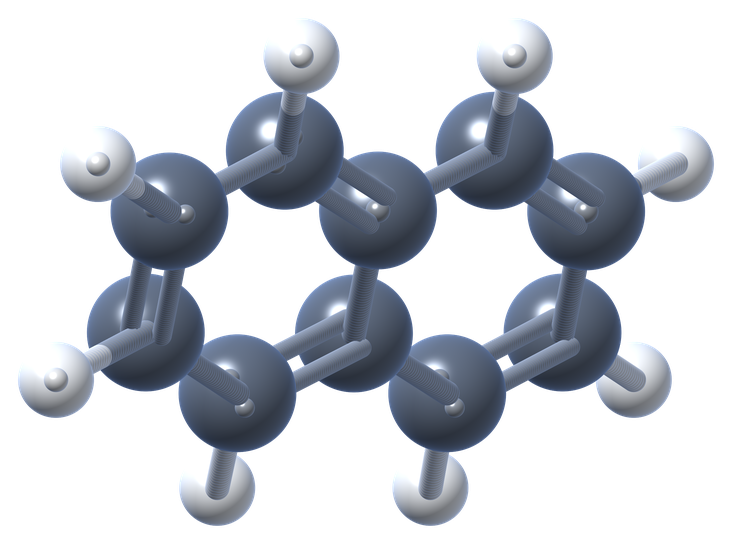
Molecole chiave
Norme e specifiche
| EN 14023 | European framework specification for polymer modified bitumens. |
|---|---|
| AASHTO M 320 and M 332 | Performance-graded binder specifications, M 332 using the multiple stress creep recovery test. |
| ASTM D6373 | Performance-graded asphalt binder. |
Pericoli
Typically stored and moved at about 150 C (Wikipedia). Hot bitumen causes severe burns, and fumes can contain H2S and polycyclic aromatics. Check the local ADR/IMDG classification, which depends on the product and temperature.
Come si commercializza
Units
Metric tonnes
Benchmarks
Contract price; premium over 60/70
Typical cargo
Tank truck, ISO tank, drums
Incoterms
DAP, FCA, FOB
Notes
Priced at a premium over plain bitumen; the premium varies by market.
Raffinerie che lo producono: i nostri suggerimenti
73 raffinerie censite producono questo prodotto, 22 delle quali nel Golfo, in Iran e in Iraq. Diamo la precedenza agli impianti del Golfo, poi a quelli in esercizio, poi a quelli per capacità.
- 1Ruwais Refinery
 United Arab Emirates · 922,000 bpdLargest capacity among Gulf-first matchesGulf locationOperatingDeep conversionAccesso all'esportazione
- 2Ras Tanura Refinery
 Saudi Arabia · 550,000 bpdGulf locationOperatingDeep conversionAccesso all'esportazione
- 3SATORP Jubail Refinery Saudi Arabia · 465,000 bpdGulf locationOperatingDeep conversionAccesso all'esportazione
- 4Petro Rabigh Refinery Saudi Arabia · 400,000 bpdGulf locationOperatingAccesso all'esportazione
- 5Mina Al-Ahmadi Refinery
 Kuwait · 346,000 bpdGulf locationOperatingAccesso all'esportazione
- 6Arak (Imam Khomeini) Refinery
 Iran · 250,000 bpdGulf locationOperating



Terminal che lo movimentano
- SATORP refinery, Jubail Saudi Arabia
- Torosport Ceyhan Bitumen Terminal
 Turkey
- Heydar Aliyev Baku Oil Refinery
 Azerbaijan
- Turkmenbashi Oil Refinery
 Turkmenistan
- Seydi Oil Refinery Turkmenistan


Lo sapeva?
💡 SBS is the polymer most often used to modify bitumen.
💡 Polymer modification raises elasticity and resistance to rutting.
Si metta alla prova su Polymer Modified Bitumen (PMB)
Common polymer in PMB?
Altro in questo gruppo
- Bitumen 40/50, 60/70 and 80/100 (Paving Grades)
- Cutback Bitumen
- Bitumen Emulsion
- Oxidised Bitumen (Blown Bitumen)
- Petroleum Coke (Green, Calcined, Fuel Grade)
- Sulphur (Granular and Molten)
Fonti
Redatto con parole proprie di PST a partire dalle fonti sopra. Affidabilità dei dati: medium. I valori tipici variano in base all'origine e al contratto, quindi legga sempre la specifica nel Suo contratto.