Middle distillates
Biodiesel Blends (FAME, B7 to B20)
Biodiesel is a diesel substitute made from fats and oils reacted with methanol to give fatty acid methyl esters (FAME). It is blended with petroleum diesel at levels such as B7 or B20.
← Все продуктыДругие названия: FAME, B7, B20, Fatty acid methyl ester
- Температура вспышкиAbove 101 C for pure FAME (EN 14214)
- Плотность860 to 900 kg/m³
- Вязкость3.5 to 5.0 mm2/s at 40 C (EN 14214)
- Низкотемпературная текучестьVaries widely with feedstock; cloud point can be above 0 C
- СераMax 10 mg/kg
- Интервал кипения330 to 360 °C
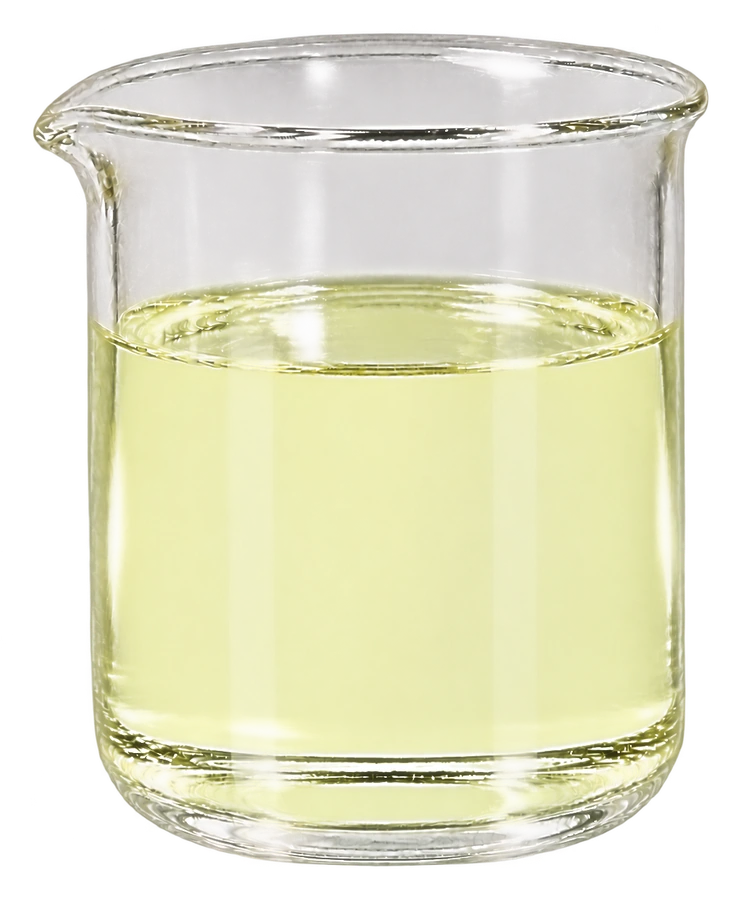
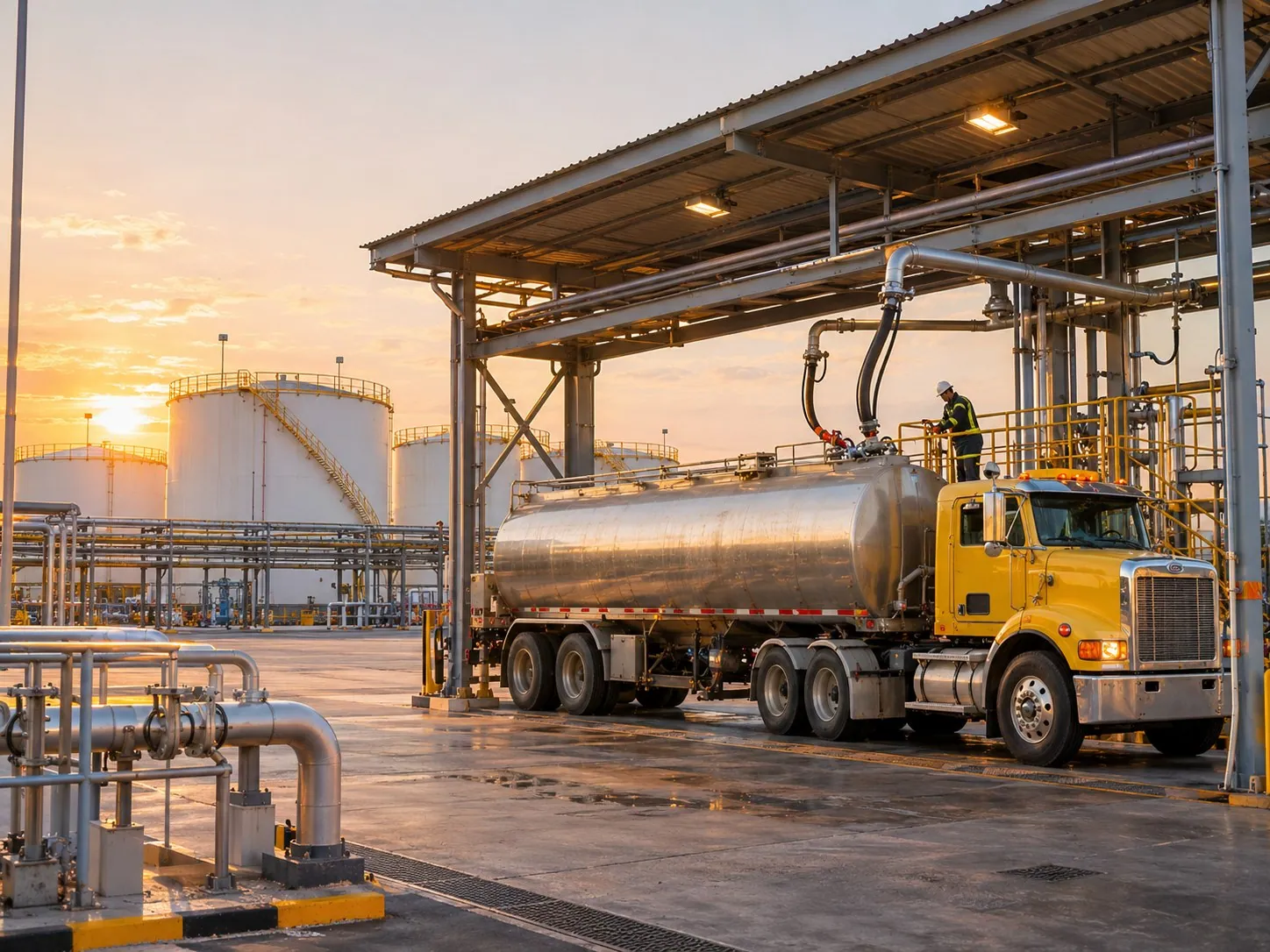
Авторство изображений Образцы в лабораторной посуде созданы по эталонным фотографиям с Wikimedia Commons, автор: Chemik10 (CC BY-SA 2.5) и фото образца нефти с лицензией CC0. Фотография: создана по эталонному снимку, автор: DanTD, CC BY-SA 3.0, через Wikimedia Commons.
Помешайте жидкость, чтобы почувствовать её густоту
Проведите мышью или пальцем по жидкости. Нажмите и тяните, чтобы помешать сильнее. Клавиатура: стрелки перемешивают, пробел встряхивает.
Жидкая Лёгкая и свободно текучая. Волны бегут быстро и затухают медленно.
Типичная вязкость по данным3.5 to 5.0 mm2/s at 40 C (EN 14214)
- Скорость перемешивания
- 0 px/с
- Движение жидкости
- 0%
- Успокоилась через
- -
- Поверхность
- Покой
Класс служит ориентиром для ощущения. Показанное значение вязкости взято из данных спецификации.
Внешний вид
Clear amber to yellow
Где применяется
- Blend component in road diesel
- Fleet fuel (B20)
- Marine biofuel blends
- Off-grid power generation
Обращение и безопасность
- Keep tanks dry and clean; use within 6 months where possible; add antioxidant if needed. Heat tanks in cold climates to avoid gelling. Sample and test for oxidation stability and water.
- B100 is combustible and biodegradable and can degrade some seals and filters.
Типичные свойства
- Внешний вид
- Clear amber to yellow
- Плотность при 15 °C
- 860 to 900 kg/m³
- Интервал кипения
- 330 to 360 °C
- Температура вспышки
- Above 101 C for pure FAME (EN 14214)
- Вязкость
- 3.5 to 5.0 mm2/s at 40 C (EN 14214)
- Температура застывания
- Varies widely with feedstock; cloud point can be above 0 C
- Типичное содержание серы
- Max 10 mg/kg
◉What it is
Biodiesel is a renewable fuel produced by reacting vegetable oils, used cooking oil or animal fats with methanol. The product is a mixture of fatty acid methyl esters called FAME. Blends are named by percentage, for example B7 contains 7 percent biodiesel and 93 percent petroleum diesel. EN 590 allows up to 7 percent FAME. Higher blends such as B20 are used in fleets and some countries. FAME has slightly lower energy content than diesel and can have poorer cold flow and storage stability.
⬡What it is made of
Fatty acid methyl esters, typically C16 to C18 chains, with some saturated and unsaturated esters.
⚛Химия
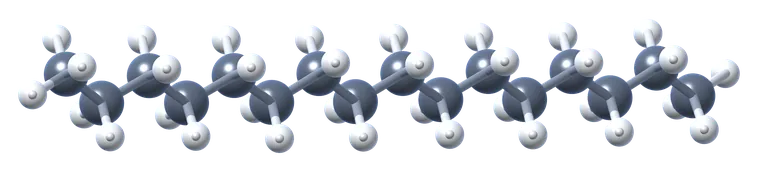
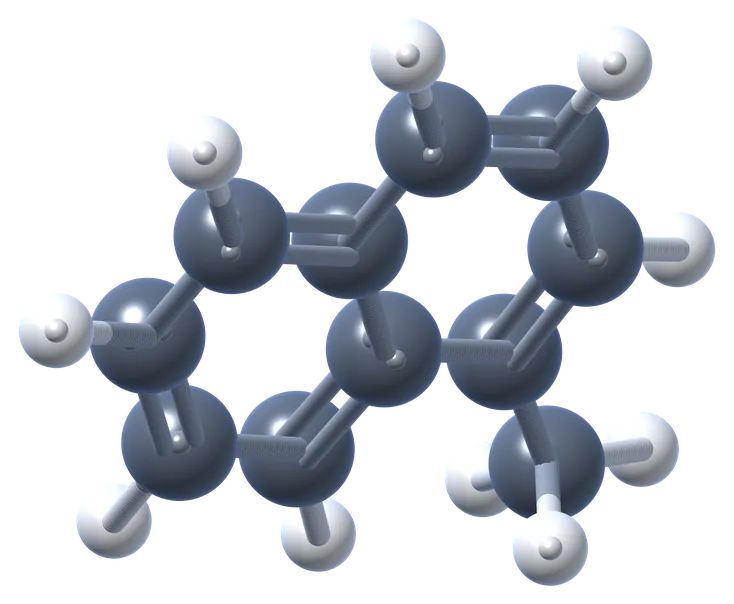
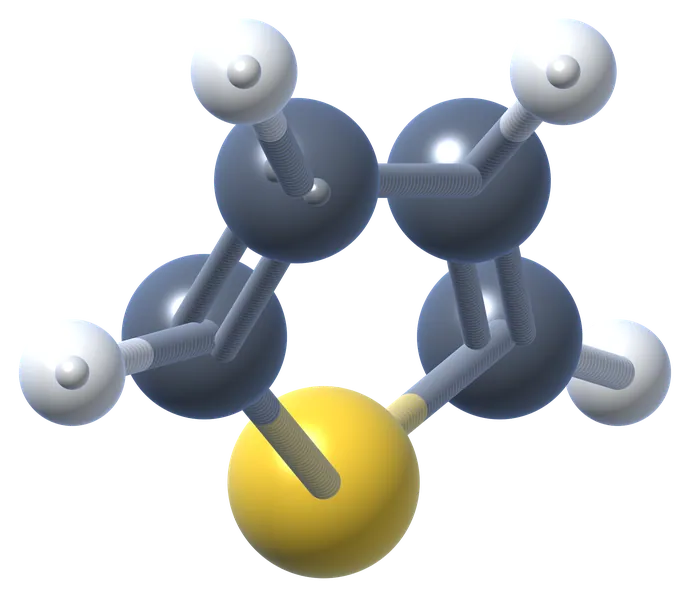
A FAME molecule is R-COO-CH3, where R is a long hydrocarbon chain derived from a fatty acid. The oxygen in the ester group means FAME has lower energy per kilogram but burns cleanly and has good lubricity. Saturated chains (such as palmitate) give high cetane but poor cold flow; unsaturated chains (such as oleate) improve cold flow but oxidise more easily.
⚙How it is made
Transesterification: vegetable oil or fat reacts with methanol in the presence of a catalyst (such as sodium methoxide) to give FAME and glycerol. About 100 kg of glycerol is produced per tonne of biodiesel (Wikipedia). The FAME is washed and dried, then blended at terminals.
▶How it works
FAME has cetane similar to or higher than diesel and good lubricity. It can attract water, grow microbes and oxidise during storage. Blends up to B20 are usually fine in standard diesel engines, though some manufacturers limit allowed blend levels.
▣Storage, loading and inspection
Keep tanks dry and clean; use within 6 months where possible; add antioxidant if needed. Heat tanks in cold climates to avoid gelling. Sample and test for oxidation stability and water.
★Why it matters in the Gulf
Regional FAME use is small compared with Europe, and trading hubs may handle biofuel blends. UAE biodiesel production details are not stated.
Ключевые молекулы
Стандарты и спецификации
| EN 14214 | European FAME biodiesel quality standard |
|---|---|
| ASTM D6751 | US B100 standard |
| ASTM D7467 | US B6 to B20 blend standard |
| EN 590 | Allows up to 7% v/v FAME in diesel |
Опасности
B100 is combustible and biodegradable and can degrade some seals and filters.
Как им торгуют
Units
Metric tonnes and cubic metres
Benchmarks
Platts and Argus FAME assessments (for example FAME 0 and RME)
Typical cargo
Parcels of 1,000 to 30,000 mt
Incoterms
FOB, CIF, DAP
Notes
Prices follow vegetable oil, used cooking oil and tax or mandate rules.
НПЗ, которые его производят: наши рекомендации
НПЗ в списке, производящих этот продукт: 152, из них в странах Персидского залива, Иране и Ираке: 42. Сначала идут заводы Персидского залива, затем действующие, затем по мощности.
- 1Ruwais Refinery
 United Arab Emirates · 922,000 bpdLargest capacity among Gulf-first matchesGulf locationOperatingDeep conversionДоступ к экспорту
- 2Al-Zour Refinery
 Kuwait · 615,000 bpdGulf locationOperatingДоступ к экспорту
- 3Ras Tanura Refinery
 Saudi Arabia · 550,000 bpdGulf locationOperatingDeep conversionДоступ к экспорту
- 4SATORP Jubail Refinery Saudi Arabia · 465,000 bpdGulf locationOperatingDeep conversionДоступ к экспорту
- 5Mina Abdullah Refinery Kuwait · 454,000 bpdGulf locationOperatingДоступ к экспорту
- 6SAMREF Yanbu Refinery Saudi Arabia · 400,000 bpdGulf locationOperatingДоступ к экспорту




Терминалы, которые с ним работают
- Port of Fujairah (anchorage and bunkering) United Arab Emirates
- Ras Tanura terminal Saudi Arabia
- Vopak Horizon Fujairah United Arab Emirates
- Bapco Sitra tank farm and marine terminal
 Bahrain
- Yanbu oil terminals (Red Sea) Saudi Arabia
- VTTI Fujairah United Arab Emirates



Знаете ли вы
💡 About 100 kg of glycerol is produced per tonne of biodiesel (Wikipedia).
💡 Rudolf Diesel's engine ran on peanut oil at the 1900 Paris Exposition (Wikipedia).
Проверьте себя: Biodiesel Blends (FAME, B7 to B20)
What is B7?
Ещё в этой группе
- Jet A-1
- Kerosene (illuminating)
- Diesel EN 590 (10 ppm)
- Ultra Low Sulphur Diesel (ULSD)
- Gasoil 500 ppm
- Gasoil 50 ppm
- Heating Oil
- Automotive Gasoil (AGO)
- Red Diesel (Marked Diesel)
- Marine Gasoil MGO (DMA)
- Marine Diesel DMB
- LSMGO (0.1% Sulphur ECA Fuel)
Источники
Написано собственными словами PST по источникам выше. Достоверность данных: medium. Типичные значения зависят от происхождения и контракта, поэтому всегда читайте спецификацию в своём контракте.