Bitumen and solids
Oxidised Bitumen (Blown Bitumen)
Oxidised bitumen is made by blowing air through hot bitumen. It is harder and less temperature-sensitive than paving bitumen.
← All productsAlso called: Blown bitumen, Industrial bitumen, 85/25, 115/15, Roofing bitumen
- Flash pointTypically above 240 C (varies by grade)
- Density1020 to 1060 kg/m³
- ViscositySoftening point 85 to 115 C
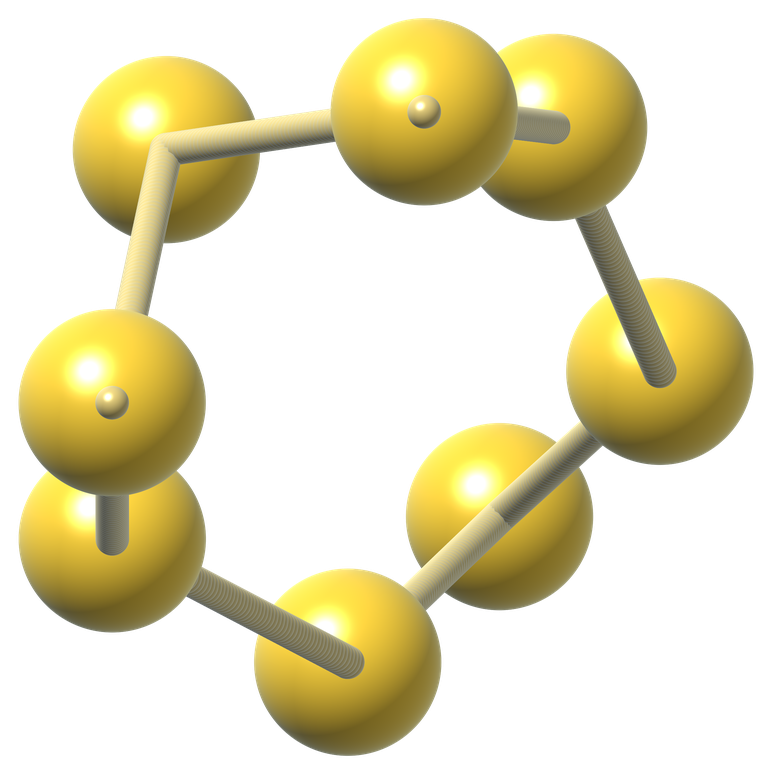
- Sulphur1 to 4%
- HazardUN3257 for hot bitumen shipped as an elevated temperature liquid, Class 9 (elevated temperature liquid, n.o.s., at or above 100 C and below its flash point)
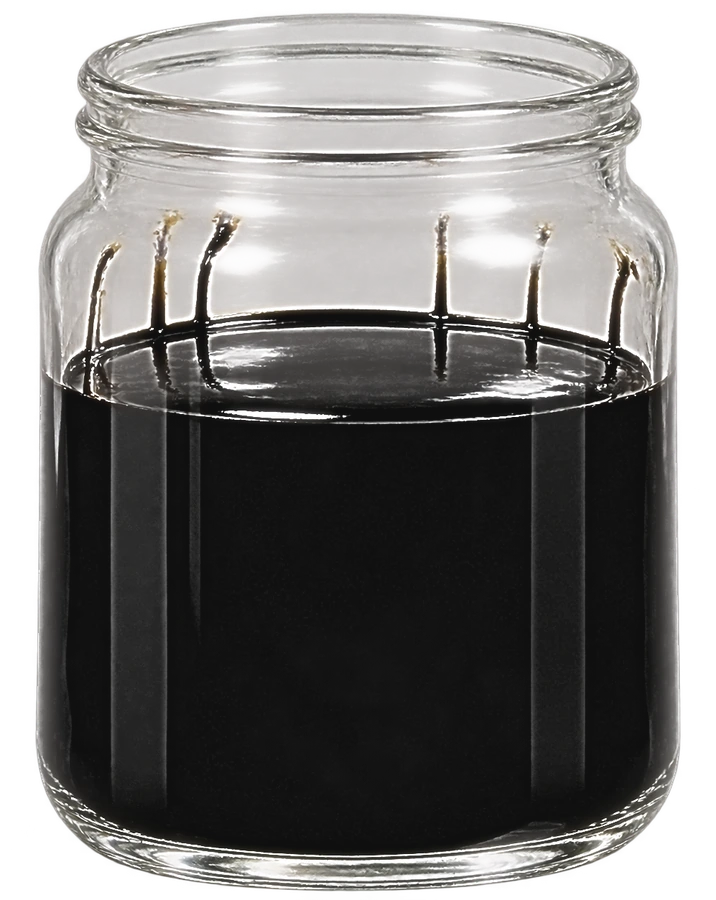

Image credits Laboratory glass samples are made from reference photos on Wikimedia Commons by Chemik10 (CC BY-SA 2.5) and a CC0 petroleum sample photo.
Stir the liquid to feel how thick it is
Move the mouse or a finger across the liquid. Press and drag to stir harder. Keyboard: arrow keys stir, Space shakes.
Semi-solid Semi-solid at normal temperature. It only creeps and has to be heated to pump.
Typical viscosity from the dataSoftening point 85 to 115 C
- Stir speed
- 0 px/s
- Liquid movement
- 0%
- Settled after
- -
- Surface
- Still
The class is a guide for feel. The viscosity figure shown is the one in the specification data.
How it looks
Black, hard
Where it is used
- Roofing
- Waterproofing
- Pipe coating
- Sealants
Handling and safety
- Store in insulated, heated tanks at 150 to 180 C; do not hold above 200 C for long because it ages and can foam if water is present. Avoid water contact (violent boiling). Sample with a heated sampler per ASTM D140 or EN 58 and test penetration, softening point and flash point. Trucks and ships need heating coils and loading arms with steam or thermal oil tracing.
- Typically stored and moved at about 150 C (Wikipedia). Hot bitumen causes severe burns, and fumes can contain H2S and polycyclic aromatics. Check the local ADR/IMDG classification, which depends on the product and temperature.
Typical properties
- Appearance
- Black, hard
- Density at 15 °C
- 1020 to 1060 kg/m³
- Flash point
- Typically above 240 C (varies by grade)
- Viscosity
- Softening point 85 to 115 C
- Pour point
- Not applicable
- Typical sulphur
- 1 to 4%
◉What it is
Blown bitumen is partly oxidised with air at high temperature after distillation, making it harder (Wikipedia). Grades such as 85/25 and 115/15 are named by softening point and penetration. It is used for roofing felts, waterproofing, pipe coating, and as a sealant. It is less suitable for roads because it is brittle at low temperature.
⬡What it is made of
Asphaltene-rich bitumen.
⚛The chemistry
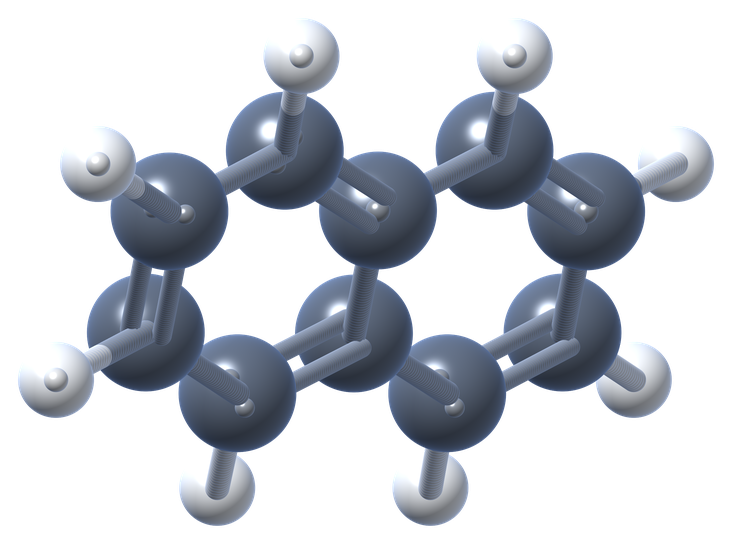
Oxygen causes dehydrogenation and linking of molecules, raising asphaltene content and softening point.
⚙How it is made
Bitumen is heated to 230 to 280 C in a blowing tower and air is bubbled through for hours.
▶How it works
Lower penetration and higher softening point give resistance to flow at high temperature.
▣Storage, loading and inspection
Store in insulated, heated tanks at 150 to 180 C; do not hold above 200 C for long because it ages and can foam if water is present. Avoid water contact (violent boiling). Sample with a heated sampler per ASTM D140 or EN 58 and test penetration, softening point and flash point. Trucks and ships need heating coils and loading arms with steam or thermal oil tracing.
★Why it matters in the Gulf
Oxidised grades are used for roofing and pipe coating. Gulf production and export details are not stated.
Key molecules
Standards and specifications
| EN 13304 | European framework specification for oxidised bitumens. |
|---|---|
| ASTM D312 | Asphalt used in roofing. |
| IS 702 | Indian standard for industrial bitumen. |
Hazards
Typically stored and moved at about 150 C (Wikipedia). Hot bitumen causes severe burns, and fumes can contain H2S and polycyclic aromatics. Check the local ADR/IMDG classification, which depends on the product and temperature.
How it is traded
Units
Metric tonnes; bags; drums
Benchmarks
Contract
Typical cargo
Drums, bags, bulk
Incoterms
FOB, CIF
Notes
Specialty.
Refineries that make it: our suggestions
54 listed refineries make this product, 17 of them in the Gulf, Iran and Iraq. We rank Gulf plants first, then operating plants, then by capacity.
- 1Ras Tanura Refinery
 Saudi Arabia · 550,000 bpdLargest capacity among Gulf-first matchesGulf locationOperatingDeep conversionExport access
- 2Mina Al-Ahmadi Refinery
 Kuwait · 346,000 bpdGulf locationOperatingExport access
- 3Arak (Imam Khomeini) Refinery
 Iran · 250,000 bpdGulf locationOperating
- 4Daura Refinery
 Iraq · 140,000 bpdGulf locationOperating
- 5Karbala Refinery Iraq · 140,000 bpdGulf locationOperating
- 6Riyadh Refinery Saudi Arabia · 126,000 bpdGulf locationOperatingDeep conversion





Terminals that handle it
- Torosport Ceyhan Bitumen Terminal
 Turkey
- Heydar Aliyev Baku Oil Refinery
 Azerbaijan
- Turkmenbashi Oil Refinery
 Turkmenistan
- Seydi Oil Refinery Turkmenistan

Did you know
💡 Blown bitumen is partly oxidised with air at high temperature, which makes it harder (Wikipedia).
💡 Roofing membranes rely on it.
Test yourself on Oxidised Bitumen (Blown Bitumen)
How is oxidised bitumen made?
More in this group
- Bitumen 40/50, 60/70 and 80/100 (Paving Grades)
- Polymer Modified Bitumen (PMB)
- Cutback Bitumen
- Bitumen Emulsion
- Petroleum Coke (Green, Calcined, Fuel Grade)
- Sulphur (Granular and Molten)
Sources
Written in PST's own words from the sources above. Confidence in the data: medium. Typical values vary by origin and contract, so always read the specification in your own contract.