Bitumen and solids
Petroleum Coke (Green, Calcined, Fuel Grade)
Petroleum coke is a solid carbon-rich by-product of coking heavy residues. Green coke is raw, calcined coke is heated for anodes, and fuel grade is burned for energy.
← All productsAlso called: Petcoke, Green coke, Calcined petroleum coke, CPC, Fuel coke, Anode grade coke
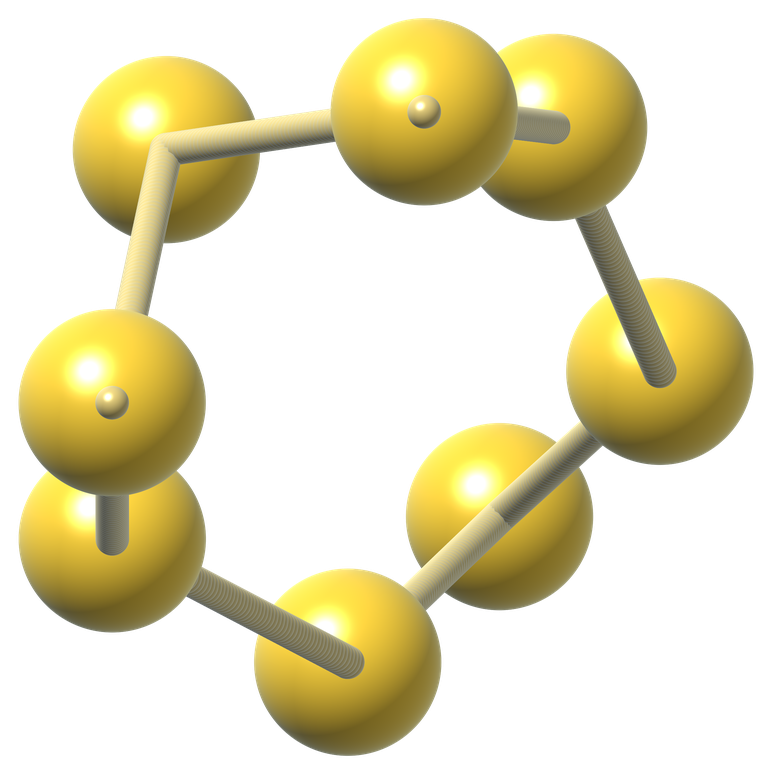
- SulphurGreen coke 0.2 to 6% by weight; fuel grade is high in sulphur
- HazardNot regulated, Not dangerous goods
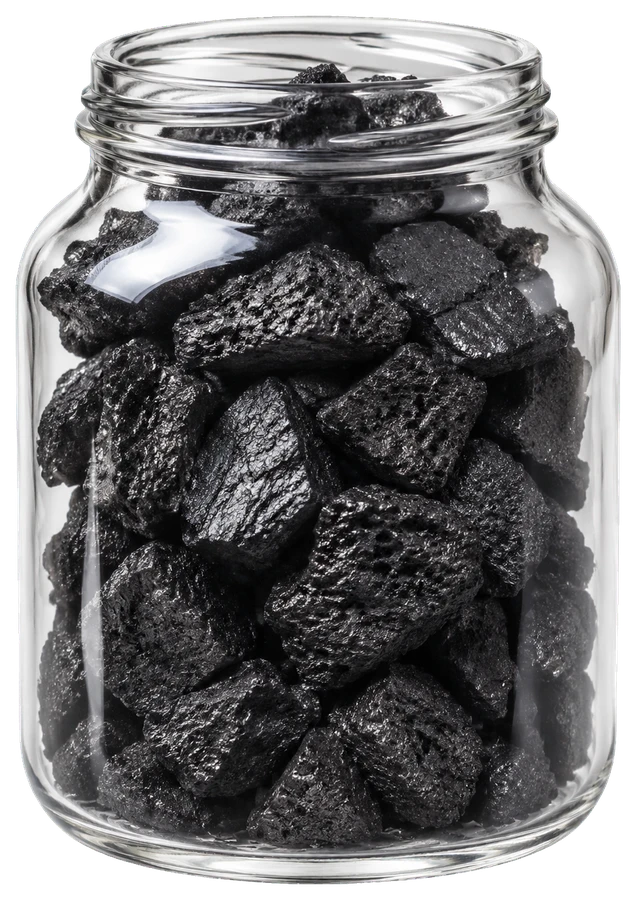
Image credits Photograph: made from a reference photo by Mike Mozart, CC BY 2.0, via Wikimedia Commons.
Petroleum Coke (Green, Calcined, Fuel Grade) is a solid at normal temperature, so there is no liquid to stir.
How it looks
Black lumps, sponge, shot or needle
Where it is used
- Aluminium smelter anodes (calcined)
- Steel and graphite electrodes
- Cement kilns and power (fuel grade)
- Silicon metal
Handling and safety
- Store on covered ground, avoid dust, control stockpile temperature. Sample per ASTM D346; test moisture, volatile matter, ash, sulphur, HGI.
- Dusty; may self-heat; avoid fines accumulation.
Typical properties
- Appearance
- Black lumps, sponge, shot or needle
- Viscosity
- Not applicable
- Pour point
- Not applicable
- Typical sulphur
- Green coke 0.2 to 6% by weight; fuel grade is high in sulphur
◉What it is
Petcoke comes from coker units, usually delayed cokers, where heavy residue is heated and cracked (Wikipedia). Raw coke is called green coke and contains volatile hydrocarbons and sulphur of about 0.2 to 6 weight percent. Calcining at about 1,200 to 1,400 C in a rotary kiln removes volatiles and produces calcined petroleum coke, used for aluminium anodes (Wikipedia). Coke with high sulphur and metals is used as fuel in cement kilns and power plants, with a heating value of about 8,000 kcal/kg, about twice average coal (Wikipedia).
⬡What it is made of
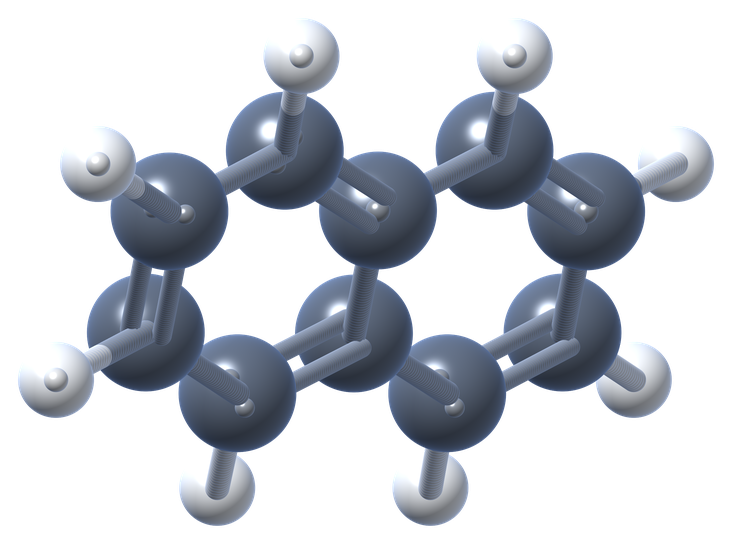
Mostly carbon (over 85%), with hydrogen, sulphur, nitrogen and metals (V, Ni).
⚛The chemistry
Coking drives off hydrogen-rich fractions and leaves condensed aromatic carbon. Calcining aligns carbon crystallites, increasing density and electrical conductivity.
⚙How it is made
Heavy residue is heated to about 480 to 500 C in a delayed coker, held in drums until coke forms, and cut out with high-pressure water.
▶How it works
As fuel it burns with high heat but gives high SO2; as anode coke it forms carbon electrodes.
▣Storage, loading and inspection
Store on covered ground, avoid dust, control stockpile temperature. Sample per ASTM D346; test moisture, volatile matter, ash, sulphur, HGI.
★Why it matters in the Gulf
Refineries with cokers produce petcoke, and the region hosts large aluminium smelters (EGA in the UAE, Alba in Bahrain, Ma'aden in Saudi Arabia), which use calcined coke for anodes. Which Gulf refineries sell petcoke, and which smelters buy Gulf coke, is not stated.
Key molecules
Standards and specifications
| ASTM D3176 | Ultimate analysis of coal and coke. |
|---|---|
| ASTM D4239 | Sulphur in coal and coke by high-temperature combustion. |
| ASTM D346 | Collection and preparation of coke samples for laboratory analysis. |
Hazards
Dusty; may self-heat; avoid fines accumulation.
How it is traded
Units
Metric tonnes; HGI and sulphur specified
Benchmarks
Platts petcoke (FOB Arab Gulf, USGC, India)
Typical cargo
Bulk handymax vessels 20,000 to 60,000 mt
Incoterms
FOB, CFR
Notes
India is a large buyer of petcoke (Wikipedia); China and others also import.
Refineries that make it: our suggestions
26 listed refineries make this product, 5 of them in the Gulf, Iran and Iraq. We rank Gulf plants first, then operating plants, then by capacity.
- 1Ruwais Refinery
 United Arab Emirates · 922,000 bpdLargest capacity among Gulf-first matchesGulf locationOperatingDeep conversionExport access
- 2SATORP Jubail Refinery
 Saudi Arabia · 465,000 bpdGulf locationOperatingDeep conversionExport access
- 3YASREF Yanbu Refinery Saudi Arabia · 400,000 bpdGulf locationOperatingDeep conversionExport access
- 4Duqm Refinery
 Oman · 230,000 bpdGulf locationOperatingDeep conversionExport access
- 5Ruwais Carbon Black and Delayed Coker Plant United Arab Emirates · Not publishedGulf locationOperatingDeep conversion
- 6Jamnagar Refinery (Reliance)
 India · 1,400,000 bpdOperatingDeep conversionExport access



Terminals that handle it
- Ras Markaz Crude Oil Terminal Oman
- Arab Tank Terminal (ATTL), Yanbu Saudi Arabia
- Gulf Petrochem Hamriyah terminal United Arab Emirates
- Petrotank fuel station, King Fahd Industrial Port, Yanbu Saudi Arabia
- Hamriyah Free Zone port United Arab Emirates
- Bandar Abbas port
 Iran
Did you know
💡 Calcined coke is the raw material for the carbon anodes used in aluminium smelting (Wikipedia).
💡 Fuel-grade petcoke has a calorific value of nearly 8,000 kcal/kg, roughly twice that of average power-station coal (Wikipedia).
Test yourself on Petroleum Coke (Green, Calcined, Fuel Grade)
What is green coke?
More in this group
- Bitumen 40/50, 60/70 and 80/100 (Paving Grades)
- Polymer Modified Bitumen (PMB)
- Cutback Bitumen
- Bitumen Emulsion
- Oxidised Bitumen (Blown Bitumen)
- Sulphur (Granular and Molten)
Sources
Written in PST's own words from the sources above. Confidence in the data: medium. Typical values vary by origin and contract, so always read the specification in your own contract.