Heavy fuels
Vacuum Residue
Vacuum residue is the heaviest material left after vacuum distillation. It is the feed for cokers, visbreakers, bitumen and fuel oil blends.
← همهٔ محصولاتنامهای دیگر: Vacuum bottoms, VR, Vacuum tower bottoms, VTB, Short residue
- نقطهٔ اشتعالAbove 200 C typical
- چگالی1000 to 1060 kg/m³
- گرانرویVery high; over 1,000 mm2/s at 100 C
- جریان در سرماOver 30 C (often semi-solid)
- گوگرد1 to 6%
- خطرUsually none, Often not dangerous goods; hot product
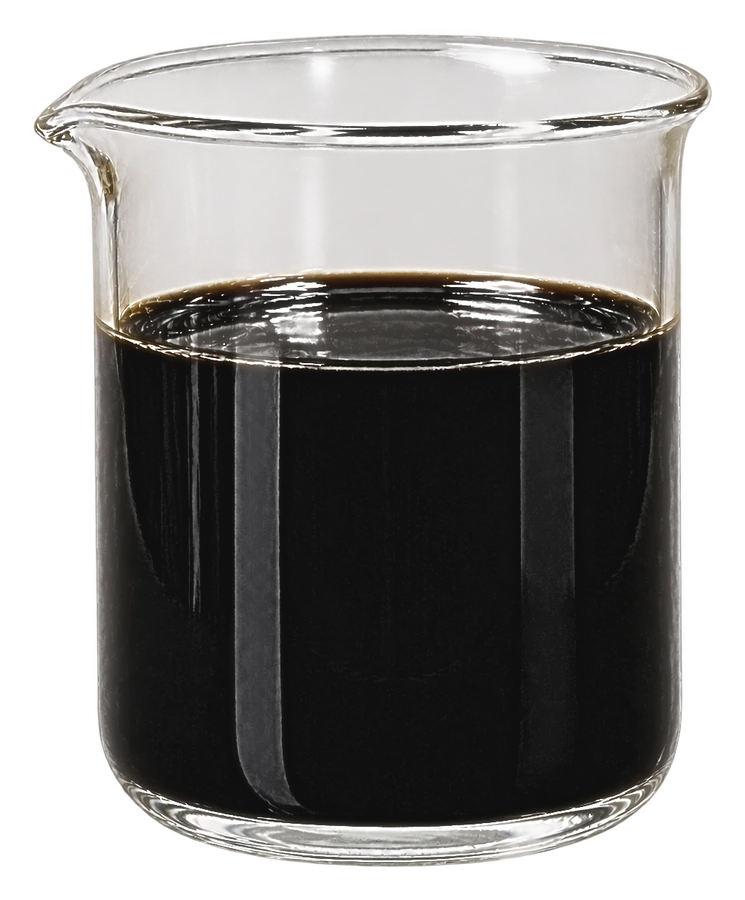
منبع تصاویر نمونههای شیشهای آزمایشگاهی از روی عکسهای مرجع در ویکیمدیا کامنز ساخته شدهاند، اثر Chemik10 (CC BY-SA 2.5) و یک عکس نمونهٔ نفتی با مجوز CC0.
مایع را هم بزنید تا غلظت آن را حس کنید
ماوس یا انگشت را روی مایع حرکت دهید. برای همزدن شدیدتر، فشار دهید و بکشید. صفحهکلید: کلیدهای جهتدار هم میزنند و Space تکان میدهد.
نیمهجامد در دمای عادی نیمهجامد است. فقط آهسته میخزد و برای پمپ شدن باید گرم شود.
گرانروی معمول بر اساس دادههاVery high; over 1,000 mm2/s at 100 C
- سرعت همزدن
- 0 px/s
- حرکت مایع
- 0%
- آرامگرفتن پس از
- -
- سطح
- ساکن
این رده فقط راهنمای حس مایع است. عدد گرانروی نمایشدادهشده همان است که در دادههای مشخصات آمده.
ظاهر محصول
Black, tar-like
کاربردها
- Coker feed
- Visbreaker feed
- Bitumen feed
- Fuel oil blend
جابهجایی و ایمنی
- Store in heated tanks, typically 40 to 50 C for pumping and 100 to 150 C for centrifuge and injection, with the temperature kept at least 10 C above the pour point and below 20 C under flash point. Avoid overheating that causes coking. Check for incompatibility when mixing batches (ASTM D4740 spot test or D7060). Sampling follows ISO 3170 or ISO 3171 with MARPOL retained sample. Inspect for water, catalytic fines (aluminium plus silicon) and total sediment.
- Extremely viscous hot product; burns can occur.
ویژگیهای معمول
- ظاهر
- Black, tar-like
- چگالی در 15 °C
- 1000 to 1060 kg/m³
- نقطهٔ اشتعال
- Above 200 C typical
- گرانروی
- Very high; over 1,000 mm2/s at 100 C
- نقطهٔ ریزش
- Over 30 C (often semi-solid)
- گوگرد معمول
- 1 to 6%
◉What it is
Vacuum residue is the bottom product of a vacuum distillation unit, boiling above about 500 to 550 C. It is almost solid at room temperature and very rich in asphaltenes, metals and sulphur. Refiners upgrade it in delayed cokers, solvent deasphalters or hydrocrackers, or sell it as fuel oil blendstock or bitumen. Wikipedia describes bitumen as the heavy fraction boiling above about 500 C after vacuum distillation.
⬡What it is made of
C40+ hydrocarbons, asphaltenes, resins, heavy metals.
⚛شیمی
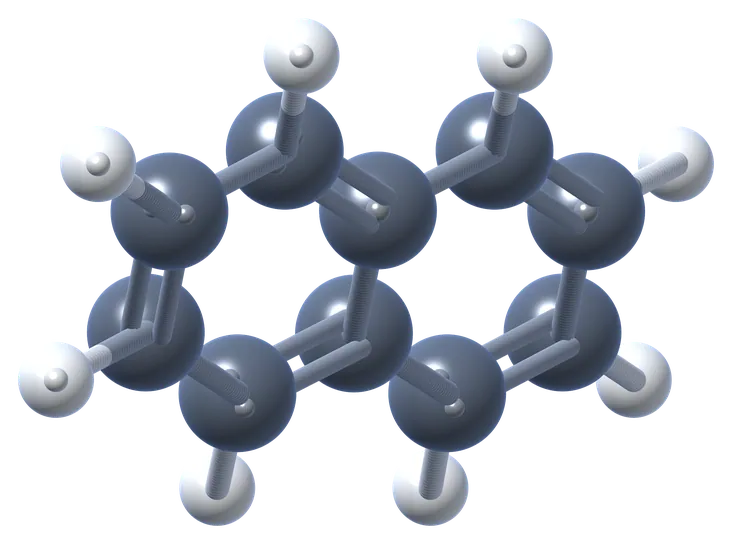
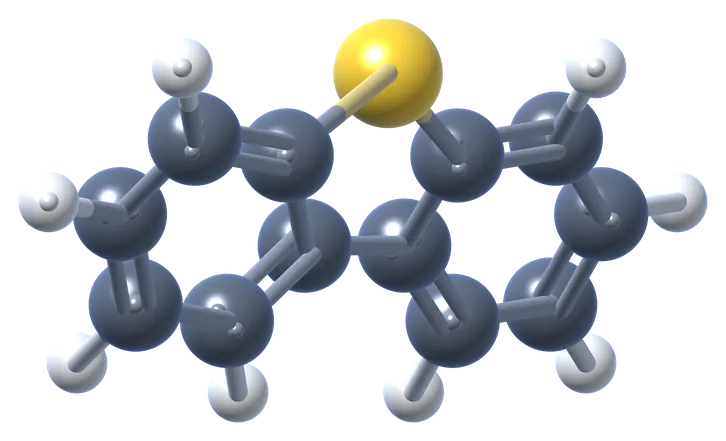
Vacuum residue contains large polycyclic aromatic structures with sulphur, nitrogen and metals (V, Ni). Asphaltenes are insoluble in n-heptane and make the oil stiff.
⚙How it is made
Bottom stream of a vacuum distillation unit operating at 380 to 410 C and under 10 to 40 mmHg.
▶How it works
Heated above 150 C to flow. Upgrading converts it to lighter products.
▣Storage, loading and inspection
Store in heated tanks, typically 40 to 50 C for pumping and 100 to 150 C for centrifuge and injection, with the temperature kept at least 10 C above the pour point and below 20 C under flash point. Avoid overheating that causes coking. Check for incompatibility when mixing batches (ASTM D4740 spot test or D7060). Sampling follows ISO 3170 or ISO 3171 with MARPOL retained sample. Inspect for water, catalytic fines (aluminium plus silicon) and total sediment.
★Why it matters in the Gulf
Gulf refiners process vacuum residue in coking and residue upgrading units. Specific projects are not stated.
مولکولهای کلیدی

استانداردها و مشخصات
| ASTM D5236 | Distillation of heavy hydrocarbon mixtures (vacuum potstill) |
|---|---|
| No standard grade | Sold under contract spec |
خطرات
Extremely viscous hot product; burns can occur.
نحوهٔ معامله
Units
Metric tonnes
Benchmarks
Platts assessments for related fuel oil
Typical cargo
Tanker parcels
Incoterms
FOB, CIF
Notes
Quality varies widely.
پالایشگاههایی که آن را تولید میکنند: پیشنهاد ما
91 پالایشگاه فهرستشده این محصول را تولید میکنند که 21 تا از آنها در خلیج فارس، ایران و عراق است. پالایشگاههای خلیج فارس را اول میآوریم، سپس واحدهای در حال بهرهبرداری، و بعد بر اساس ظرفیت.
- 1Ruwais Refinery
 United Arab Emirates · 922,000 bpdLargest capacity among Gulf-first matchesGulf locationOperatingDeep conversionدسترسی به صادرات
- 2Al-Zour Refinery
 Kuwait · 615,000 bpdGulf locationOperatingدسترسی به صادرات
- 3Ras Tanura Refinery
 Saudi Arabia · 550,000 bpdGulf locationOperatingDeep conversionدسترسی به صادرات
- 4SAMREF Yanbu Refinery Saudi Arabia · 400,000 bpdGulf locationOperatingدسترسی به صادرات
- 5Petro Rabigh Refinery Saudi Arabia · 400,000 bpdGulf locationOperatingدسترسی به صادرات
- 6Abadan Refinery
 Iran · 400,000 bpdGulf locationOperatingDeep conversionدسترسی به صادرات




ترمینالهایی که آن را جابهجا میکنند
- Port of Fujairah (anchorage and bunkering) United Arab Emirates
- Ras Tanura terminal Saudi Arabia
- Vopak Horizon Fujairah United Arab Emirates
- Bapco Sitra tank farm and marine terminal
 Bahrain
- Yanbu oil terminals (Red Sea) Saudi Arabia
- VTTI Fujairah United Arab Emirates



میدانستید؟
💡 It can be so thick that it behaves like a solid at room temperature.
💡 Bitumen is the heavy fraction left after vacuum distillation.
خودتان را در مورد Vacuum Residue بسنجید
Vacuum residue is the bottom product of which unit?
موارد بیشتر در این گروه
- HSFO 3.5% (High Sulphur Fuel Oil)
- VLSFO 0.5% (Very Low Sulphur Fuel Oil)
- ULSFO 0.1% (Ultra Low Sulphur Fuel Oil)
- IFO 380 and IFO 180
- Bunker Fuel (ISO 8217 Grades)
- Residual Fuel Oil (RFO / MFO)
- Vacuum Gasoil (VGO)
- Slurry Oil (Decant Oil)
- Cutter Stock
- Furnace Oil
منابع
با بیان خود PST و بر پایهٔ منابع بالا نوشته شده است. اطمینان از داده: medium. مقادیر معمول بسته به مبدأ و قرارداد فرق میکند، پس مشخصات را همیشه در قرارداد خودتان بخوانید.