Heavy fuels
IFO 380 and IFO 180
IFO 380 and IFO 180 are intermediate fuel oils named for their maximum viscosity in mm2/s at 50 C. They are blends of residual oil with some distillate.
← Все продуктыДругие названия: Intermediate Fuel Oil 380, Intermediate Fuel Oil 180, RMG 380, RME 180, IFO
- Температура вспышкиMin 60 C
- Плотность960 to 991 kg/m³
- ВязкостьMax 180 or 380 mm2/s at 50 C
- Низкотемпературная текучестьMax 30 C
- СераDepends on type: HS up to 3.5%; VLS up to 0.50%
- ОпасностьUsually none. Depending on the description and temperature, shippers may use UN3082 or UN3257., Often not classified as dangerous goods for transport (flash point above 60 C). Class 9 if shipped under UN3082 (environmentally hazardous substance, liquid, n.o.s.) or UN3257 (elevated temperature liquid, n.o.s.). Check the supplier's safety data sheet.
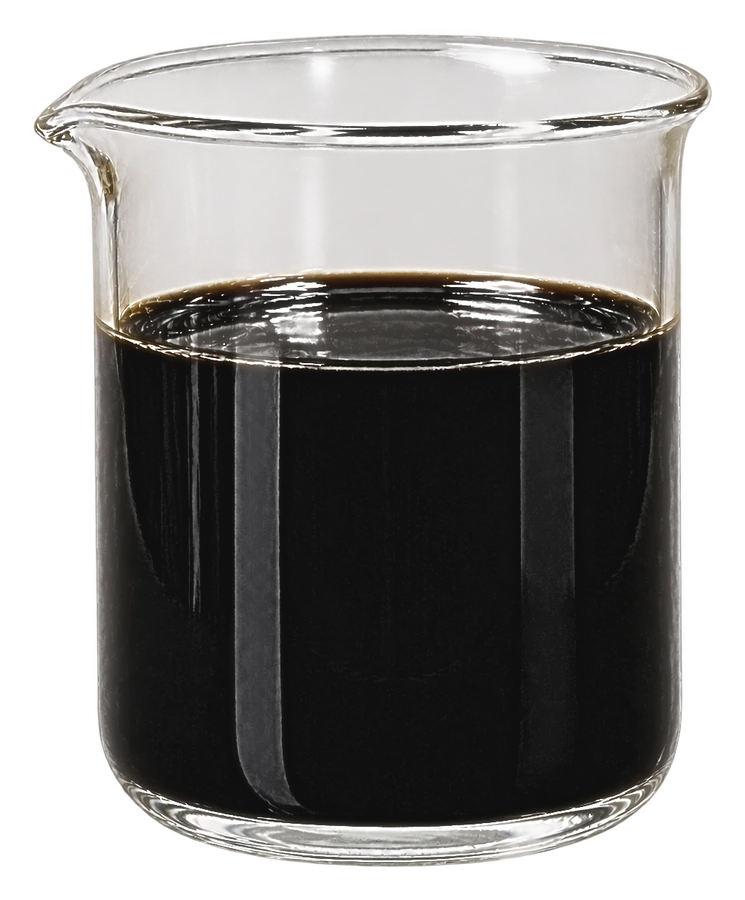

Авторство изображений Образцы в лабораторной посуде созданы по эталонным фотографиям с Wikimedia Commons, автор: Chemik10 (CC BY-SA 2.5) и фото образца нефти с лицензией CC0.
Помешайте жидкость, чтобы почувствовать её густоту
Проведите мышью или пальцем по жидкости. Нажмите и тяните, чтобы помешать сильнее. Клавиатура: стрелки перемешивают, пробел встряхивает.
Очень густая Очень тяжёлая. Почти не движется и медленно растекается обратно.
Типичная вязкость по даннымMax 180 or 380 mm2/s at 50 C
- Скорость перемешивания
- 0 px/с
- Движение жидкости
- 0%
- Успокоилась через
- -
- Поверхность
- Покой
Класс служит ориентиром для ощущения. Показанное значение вязкости взято из данных спецификации.
Внешний вид
Black, viscous
Где применяется
- Ships with slow and medium speed diesel engines
- Power stations
Обращение и безопасность
- Store in heated tanks, typically 40 to 50 C for pumping and 100 to 150 C for centrifuge and injection, with the temperature kept at least 10 C above the pour point and below 20 C under flash point. Avoid overheating that causes coking. Check for incompatibility when mixing batches (ASTM D4740 spot test or D7060). Sampling follows ISO 3170 or ISO 3171 with MARPOL retained sample. Inspect for water, catalytic fines (aluminium plus silicon) and total sediment.
- Hot product can cause burns. Residual fuels contain polycyclic aromatics and can release hydrogen sulphide in tank headspace. Spills are very damaging to marine life.
Типичные свойства
- Внешний вид
- Black, viscous
- Плотность при 15 °C
- 960 to 991 kg/m³
- Температура вспышки
- Min 60 C
- Вязкость
- Max 180 or 380 mm2/s at 50 C
- Температура застывания
- Max 30 C
- Типичное содержание серы
- Depends on type: HS up to 3.5%; VLS up to 0.50%
◉What it is
Intermediate fuel oil is a marine residual fuel blend. The numbers refer to viscosity in centistokes at 50 C: 380 or 180. According to Wikipedia, IFO 380 is about 98 percent residual oil with 2 percent distillate, while IFO 180 is about 88 percent residual and 12 percent distillate. In ISO 8217 terms IFO 380 corresponds to RMG 380 and IFO 180 to RME 180. They were the main ship fuels before IMO 2020 and are still sold in high and low sulphur forms.
⬡What it is made of
C20 to C70+ hydrocarbons: aromatics, naphthenes, resins and asphaltenes, with sulphur, nitrogen and metals.
⚛Химия
Residual fuel contains large aromatic and naphthenic molecules, resins and asphaltenes, which are clusters of polycyclic aromatic rings with heteroatoms (S, N, O) and metals such as vanadium and nickel. Asphaltenes make the oil dense and viscous; resins keep them dispersed. Mixing incompatible fuels can precipitate asphaltenes as sludge.
⚙How it is made
Vacuum residue or visbreaker residue is diluted with cutter stock or light cycle oil to reach 180 or 380 viscosity.
▶How it works
The fuel is heated to about 130 C or more for injection. The 380 grade is usually cheaper per tonne than 180 because it needs less of the more expensive distillate cutter to reach its viscosity.
▣Storage, loading and inspection
Store in heated tanks, typically 40 to 50 C for pumping and 100 to 150 C for centrifuge and injection, with the temperature kept at least 10 C above the pour point and below 20 C under flash point. Avoid overheating that causes coking. Check for incompatibility when mixing batches (ASTM D4740 spot test or D7060). Sampling follows ISO 3170 or ISO 3171 with MARPOL retained sample. Inspect for water, catalytic fines (aluminium plus silicon) and total sediment.
★Why it matters in the Gulf
IFO 380 in high-sulphur and 0.50 percent forms is sold at Fujairah. Gulf refineries produce the residual component. Fujairah is one of the world's largest bunkering hubs, alongside Singapore and Rotterdam, and lies just outside the Strait of Hormuz on the Gulf of Oman (Wikipedia). Its oil industry zone has about 10 million cubic metres of refined-product storage (Wikipedia, year not given). Current bunker volumes by grade are not stated.
Ключевые молекулы



Стандарты и спецификации
| ISO 8217 | RME 180 and RMG 380 grades: density 991 kg/m3 max, viscosity 180 or 380 mm2/s max at 50 C, flash point 60 C min. |
|---|---|
| MARPOL Annex VI | Sulphur limits. |
Опасности
Hot product can cause burns. Residual fuels contain polycyclic aromatics and can release hydrogen sulphide in tank headspace. Spills are very damaging to marine life.
Как им торгуют
Units
Metric tonnes (bunkers priced per mt); barrels for refinery trade at about 6.3 bbl per mt.
Benchmarks
Platts 380 CST HSFO and 180 CST assessments
Typical cargo
Bunker barge or tanker
Incoterms
FOB (load port), CIF or CFR, DAP at bunker port or delivered ex-wharf (barge).
Notes
380 is the global benchmark viscosity.
НПЗ, которые его производят: наши рекомендации
НПЗ в списке, производящих этот продукт: 91, из них в странах Персидского залива, Иране и Ираке: 21. Сначала идут заводы Персидского залива, затем действующие, затем по мощности.
- 1Ruwais Refinery
 United Arab Emirates · 922,000 bpdLargest capacity among Gulf-first matchesGulf locationOperatingDeep conversionДоступ к экспорту
- 2Al-Zour Refinery
 Kuwait · 615,000 bpdGulf locationOperatingДоступ к экспорту
- 3Ras Tanura Refinery
 Saudi Arabia · 550,000 bpdGulf locationOperatingDeep conversionДоступ к экспорту
- 4SAMREF Yanbu Refinery Saudi Arabia · 400,000 bpdGulf locationOperatingДоступ к экспорту
- 5Petro Rabigh Refinery Saudi Arabia · 400,000 bpdGulf locationOperatingДоступ к экспорту
- 6Abadan Refinery
 Iran · 400,000 bpdGulf locationOperatingDeep conversionДоступ к экспорту




Терминалы, которые с ним работают
- Port of Fujairah (anchorage and bunkering) United Arab Emirates
- Ras Tanura terminal Saudi Arabia
- Vopak Horizon Fujairah United Arab Emirates
- Bapco Sitra tank farm and marine terminal
 Bahrain
- Yanbu oil terminals (Red Sea) Saudi Arabia
- VTTI Fujairah United Arab Emirates




Знаете ли вы
💡 The numbers are viscosity in mm2/s at 50 C, not density.
💡 The 50 C test temperature is used because heavy fuel is too thick to measure conveniently at 40 C.
Проверьте себя: IFO 380 and IFO 180
What does 380 mean in IFO 380?
Ещё в этой группе
- HSFO 3.5% (High Sulphur Fuel Oil)
- VLSFO 0.5% (Very Low Sulphur Fuel Oil)
- ULSFO 0.1% (Ultra Low Sulphur Fuel Oil)
- Bunker Fuel (ISO 8217 Grades)
- Residual Fuel Oil (RFO / MFO)
- Vacuum Gasoil (VGO)
- Vacuum Residue
- Slurry Oil (Decant Oil)
- Cutter Stock
- Furnace Oil
Источники
- Bunker fuel (Wikipedia)
- Fuel oil (Wikipedia)
- IMO: Sulphur oxides (SOx) and particulate matter, Regulation 14
- Port of Fujairah (Wikipedia)
- Fujairah (Wikipedia)
Написано собственными словами PST по источникам выше. Достоверность данных: medium. Типичные значения зависят от происхождения и контракта, поэтому всегда читайте спецификацию в своём контракте.