Middle distillates
Automotive Gasoil (AGO)
Automotive gasoil is the commercial name for diesel sold for road vehicles in many export markets. It is commonly traded in 10 ppm, 50 ppm and 500 ppm grades.
← Todos os produtosTambém chamado de: AGO, Automotive diesel oil, ADO, High speed diesel (HSD)
- Ponto de fulgorAbove 55 C typical
- Densidade815 to 860 kg/m³
- Viscosidade2.0 to 4.5 mm2/s at 40 C typical
- EnxofreContract dependent: 10, 50, 500 ppm or higher
- Faixa de ebulição170 to 380 °C
- PerigoUN1202, Class 3 flammable liquid, packing group III (ADR/IMDG)
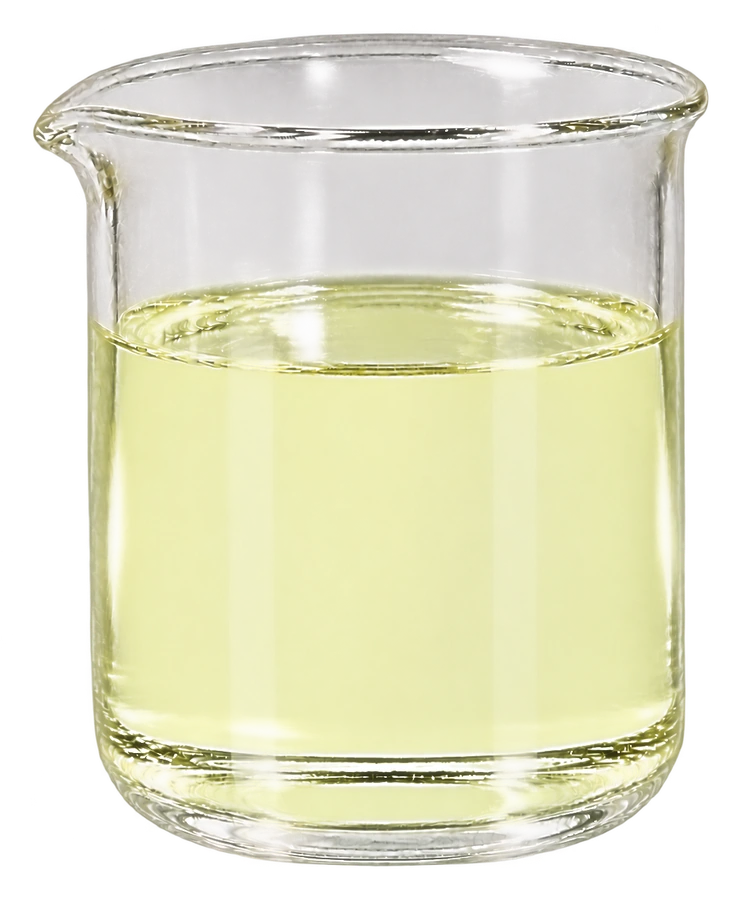

Créditos das imagens As amostras em vidro de laboratório foram feitas a partir de fotografias de referência da Wikimedia Commons por Chemik10 (CC BY-SA 2.5) e uma foto de amostra de petróleo em CC0. Fotografia: feita a partir de uma fotografia de referência de DanTD, CC BY-SA 3.0, via Wikimedia Commons.
Agite o líquido para sentir a sua espessura
Passe o rato ou um dedo sobre o líquido. Prima e arraste para agitar com mais força. Teclado: as setas agitam, a barra de espaço sacode.
Fino Leve e fluido. As ondas deslocam-se depressa e desvanecem-se devagar.
Viscosidade típica segundo os dados2.0 to 4.5 mm2/s at 40 C typical
- Velocidade de agitação
- 0 px/s
- Movimento do líquido
- 0%
- Assentou após
- -
- Superfície
- Parado
A classe é apenas uma referência de sensação. O valor de viscosidade apresentado é o dos dados da especificação.
Aspecto esperado
Clear to yellow
Onde é usado
- Trucks, buses and cars
- Taxis and fleets
- Small power plants
- Fishing and coastal vessels
Manuseamento e segurança
- Store in clean, water-free tanks with water drains and fuel-compatible coatings; keep away from copper and zinc surfaces that harm stability. Watch water and microbial growth at the tank bottom and sample from top, middle and bottom with an automatic or manual sampler under ASTM D4057 or ISO 3170. Independent inspectors normally check quantity, density, sulphur, flash point and appearance at loading and discharge. Cold-climate cargoes may need cold-flow additives.
- Combustible rather than highly flammable (flash point above 55 C for most specifications). Harmful to aquatic life. Vapours can form explosive mixtures when heated or misted.
Propriedades típicas
- Aparência
- Clear to yellow
- Densidade a 15 °C
- 815 to 860 kg/m³
- Faixa de ebulição
- 170 to 380 °C
- Ponto de fulgor
- Above 55 C typical
- Viscosidade
- 2.0 to 4.5 mm2/s at 40 C typical
- Ponto de fluidez
- Varies
- Enxofre típico
- Contract dependent: 10, 50, 500 ppm or higher
◉What it is
AGO is a trade term, not a single standard. It describes road-use diesel as supplied in West Africa, East Africa and parts of Asia, usually with a stated sulphur level and the density and cetane needed for vehicles. In India and Pakistan similar fuel is called high speed diesel (HSD). The specification is set by the buyer's national rules. Contracts typically list sulphur, density, cetane index, flash point, distillation and water content.
⬡What it is made of
Typically C10 to C22 (mostly C12 to C20) paraffins, naphthenes and aromatics; boiling roughly 170 to 390 C.
⚛A química
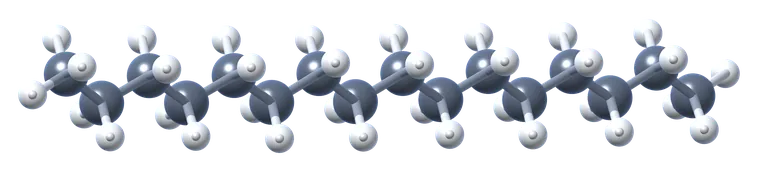
Diesel is mostly straight and branched alkanes such as hexadecane (C16H34, the cetane reference), plus cycloalkanes and alkylbenzenes. Long straight alkanes ignite easily under compression, which gives a high cetane number, but they also form wax crystals in cold weather. Aromatics and cycloalkanes ignite less readily and lower the cetane number but improve cold flow and density.
⚙How it is made
Produced like other diesel by distillation and hydrotreating, blended to meet national specification.
▶How it works
Behaves as a normal automotive diesel: cetane for ignition, density for energy content, cold-flow for winter operation. Because specifications differ by country, the same cargo may be compliant in one market and off-spec in another.
▣Storage, loading and inspection
Store in clean, water-free tanks with water drains and fuel-compatible coatings; keep away from copper and zinc surfaces that harm stability. Watch water and microbial growth at the tank bottom and sample from top, middle and bottom with an automatic or manual sampler under ASTM D4057 or ISO 3170. Independent inspectors normally check quantity, density, sulphur, flash point and appearance at loading and discharge. Cold-climate cargoes may need cold-flow additives.
★Why it matters in the Gulf
Gulf refiners and Fujairah storage supply AGO to East Africa, Pakistan and the Red Sea region. Because buyer specifications differ, blending at Fujairah is a common service. Volumes are not stated.
Moléculas principais



Normas e especificações
| EN 590 or national specifications | The importing country's own standard, for example those of Nigeria, Ghana, Kenya or India, often modelled on EN 590. |
|---|---|
| ASTM D975 | US diesel specification, referenced for some Americas and Asian cargoes. |
Riscos
Combustible rather than highly flammable (flash point above 55 C for most specifications). Harmful to aquatic life. Vapours can form explosive mixtures when heated or misted.
Como é negociado
Units
Metric tonnes, with barrels (about 7.5 bbl per tonne at typical density) and cubic metres used for pricing and storage.
Benchmarks
Platts FOB Arab Gulf gasoil and Mediterranean gasoil assessments
Typical cargo
Typically 25,000 to 37,000 mt
Incoterms
FOB (Arab Gulf load port), CFR or CIF (destination), DAP for inland deliveries; FCA for road or rail.
Notes
Always confirm sulphur and cetane with the contract and port authority.
Refinarias que o produzem: nossas sugestões
152 refinarias listadas produzem este produto, 42 delas no Golfo, no Irã e no Iraque. Ordenamos primeiro as unidades do Golfo, depois as em operação e, por fim, por capacidade.
- 1Ruwais Refinery
 United Arab Emirates · 922,000 bpdLargest capacity among Gulf-first matchesGulf locationOperatingDeep conversionAcesso de exportação
- 2Al-Zour Refinery
 Kuwait · 615,000 bpdGulf locationOperatingAcesso de exportação
- 3Ras Tanura Refinery
 Saudi Arabia · 550,000 bpdGulf locationOperatingDeep conversionAcesso de exportação
- 4SATORP Jubail Refinery Saudi Arabia · 465,000 bpdGulf locationOperatingDeep conversionAcesso de exportação
- 5Mina Abdullah Refinery Kuwait · 454,000 bpdGulf locationOperatingAcesso de exportação
- 6SAMREF Yanbu Refinery Saudi Arabia · 400,000 bpdGulf locationOperatingAcesso de exportação




Terminais que o movimentam
- Port of Fujairah (anchorage and bunkering) United Arab Emirates
- Ras Tanura terminal Saudi Arabia
- Vopak Horizon Fujairah United Arab Emirates
- Bapco Sitra tank farm and marine terminal
 Bahrain
- Yanbu oil terminals (Red Sea) Saudi Arabia
- VTTI Fujairah United Arab Emirates




Você sabia
💡 In many West African markets AGO is the pump name for diesel.
💡 Sulphur limits for AGO differ widely between importing countries.
Teste seus conhecimentos sobre Automotive Gasoil (AGO)
What does AGO stand for?
Mais neste grupo
- Jet A-1
- Kerosene (illuminating)
- Diesel EN 590 (10 ppm)
- Ultra Low Sulphur Diesel (ULSD)
- Gasoil 500 ppm
- Gasoil 50 ppm
- Heating Oil
- Red Diesel (Marked Diesel)
- Marine Gasoil MGO (DMA)
- Marine Diesel DMB
- LSMGO (0.1% Sulphur ECA Fuel)
- Biodiesel Blends (FAME, B7 to B20)
Fontes
Redigido com as palavras da própria PST a partir das fontes acima. Confiabilidade dos dados: medium. Os valores típicos variam conforme a origem e o contrato, por isso leia sempre a especificação do seu próprio contrato.