Middle distillates
Jet A-1
Jet A-1 is the standard kerosene-type fuel for civil aircraft turbines worldwide outside the United States. It has a freezing point of minus 47 C and a flash point of at least 38 C.
← Todos os produtosTambém chamado de: Jet fuel, Aviation turbine fuel, ATF, Kerosene (jet)
- Ponto de fulgor38 °C
- Densidade775 to 840 kg/m³
- ViscosidadeMax 8.0 mm2/s at minus 20 C (typical limit in the specification)
- Fluidez a frioFreezing point max minus 47 C
- EnxofreUp to 0.30 % m/m (specification limit); typically much lower
- Faixa de ebulição145 to 300 °C
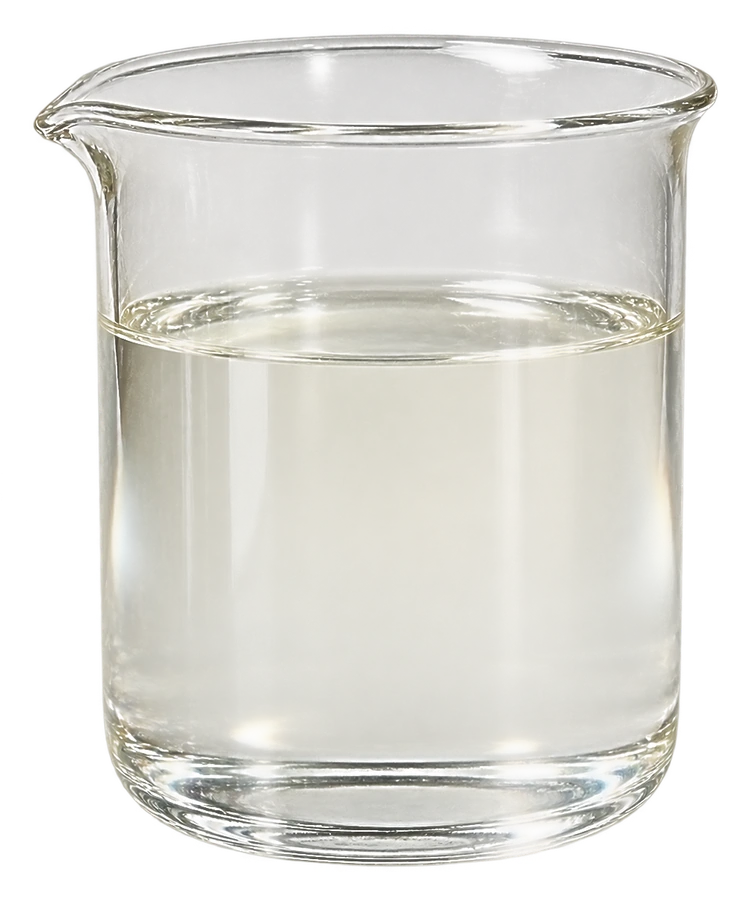

Créditos das imagens As amostras em vidro de laboratório foram feitas a partir de fotografias de referência da Wikimedia Commons por Chemik10 (CC BY-SA 2.5) e uma foto de amostra de petróleo em CC0.
Agite o líquido para sentir a sua espessura
Passe o rato ou um dedo sobre o líquido. Prima e arraste para agitar com mais força. Teclado: as setas agitam, a barra de espaço sacode.
Fino Leve e fluido. As ondas deslocam-se depressa e desvanecem-se devagar.
Viscosidade típica segundo os dadosMax 8.0 mm2/s at minus 20 C (typical limit in the specification)
- Velocidade de agitação
- 0 px/s
- Movimento do líquido
- 0%
- Assentou após
- -
- Superfície
- Parado
A classe é apenas uma referência de sensação. O valor de viscosidade apresentado é o dos dados da especificação.
Aspecto esperado
Clear and bright, colourless to pale straw. Free of visible water, dirt and haze. Colour is measured on the Saybolt scale: +30 is water-white, and a fuel that has turned yellow or dark has usually been contaminated or has aged.
Onde é usado
- Commercial aviation turbine fuel
- Blending with sustainable aviation fuel (SAF)
Manuseamento e segurança
- Handled in dedicated clean systems with water separators and filters, joint inspection controls (JIG standards), and release certificates (Refinery Certificate of Quality).
- Flammable; static buildup in handling; antistatic additive used.
Propriedades típicas
- Aparência
- Clear, colourless to straw
- Densidade a 15 °C
- 775 to 840 kg/m³
- Faixa de ebulição
- 145 to 300 °C
- Ponto de fulgor
- 38 °C
- Viscosidade
- Max 8.0 mm2/s at minus 20 C (typical limit in the specification)
- Ponto de fluidez
- Freezing point max minus 47 C
- Enxofre típico
- Up to 0.30 % m/m (specification limit); typically much lower
◉What it is
Jet A-1 is a carefully controlled kerosene cut with a carbon range of about 8 to 16. It must meet tight limits for freezing point, flash point, thermal stability and cleanliness because it flows through aircraft fuel systems at altitude. It is made by distilling and treating crude oil, and may include approved additives such as antistatic additive, corrosion inhibitor and icing inhibitor. Jet A-1 contrasts with the US Jet A, which has a slightly higher freezing point of minus 40 C. Sustainable aviation fuel can be blended in up to approved limits.
⬡What it is made of
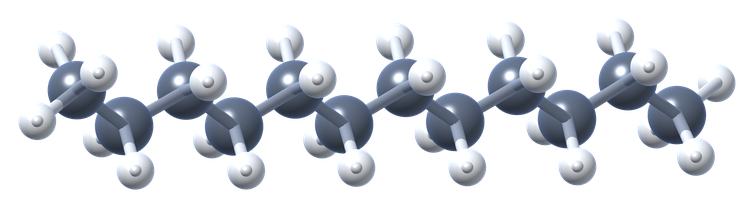
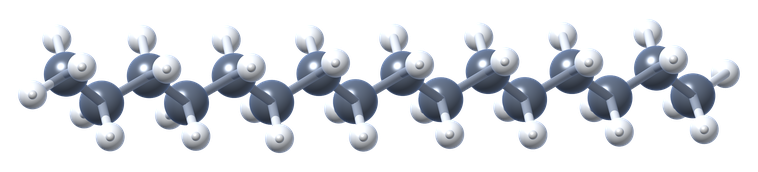
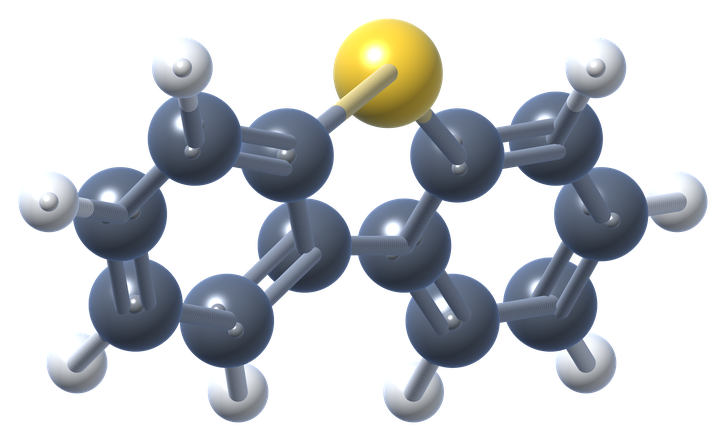
C8 to C16 paraffins, naphthenes and aromatics.
⚛A química
Kerosene molecules are medium-length alkanes and cycloalkanes with some aromatics. Straight chains of this length would freeze at low temperature, so the freezing point is controlled by composition. Aromatics help seals swell but form soot, so they are limited. Sulphur is limited to 0.30 percent mass by specification.
⚙How it is made
Straight-run kerosene from the crude distillation unit, treated by hydrotreating or Merox sweetening, with additives. Hydrocracker kerosene is also used.
▶How it works
A low freezing point keeps fuel flowing at altitude, the flash point ensures safe ground handling, and thermal stability prevents deposits in hot engine sections. Energy per kilogram is high at roughly 43 MJ/kg.
▣Storage, loading and inspection
Handled in dedicated clean systems with water separators and filters, joint inspection controls (JIG standards), and release certificates (Refinery Certificate of Quality).
★Why it matters in the Gulf
The Gulf is a major jet fuel hub, with supply from regional refineries and storage at Fujairah. Wikipedia reports about 10 million cubic metres of refined-product storage in the Fujairah oil industry zone. Verified jet fuel volumes were not retrieved.
Moléculas principais
Normas e especificações
| DEF STAN 91-091 | UK Ministry of Defence specification for Jet A-1. |
|---|---|
| ASTM D1655 | Standard specification for aviation turbine fuels (Jet A and Jet A-1). |
| IATA Guidance Material (Kerosene Type) | Industry guidance for aviation fuel quality. |
Riscos
Flammable; static buildup in handling; antistatic additive used.
Como é negociado
Units
Barrels or metric tonnes
Benchmarks
Platts Jet Kero FOB Arab Gulf, Singapore, NWE
Typical cargo
LR1 or MR tankers 35,000 to 75,000 tonnes
Incoterms
FOB, CFR, DAP at airport
Notes
Release certificate and fuel quality must match DEF STAN 91-091 or ASTM D1655.
Refinarias que o produzem: nossas sugestões
76 refinarias listadas produzem este produto, 26 delas no Golfo, no Irã e no Iraque. Ordenamos primeiro as unidades do Golfo, depois as em operação e, por fim, por capacidade.
- 1Ruwais Refinery
 United Arab Emirates · 922,000 bpdLargest capacity among Gulf-first matchesGulf locationOperatingDeep conversionAcesso de exportação
- 2Al-Zour Refinery
 Kuwait · 615,000 bpdGulf locationOperatingAcesso de exportação
- 3Ras Tanura Refinery
 Saudi Arabia · 550,000 bpdGulf locationOperatingDeep conversionAcesso de exportação
- 4SATORP Jubail Refinery Saudi Arabia · 465,000 bpdGulf locationOperatingDeep conversionAcesso de exportação
- 5Petro Rabigh Refinery Saudi Arabia · 400,000 bpdGulf locationOperatingAcesso de exportação
- 6Bapco Sitra Refinery
 Bahrain · 380,000 bpdGulf locationOperatingAcesso de exportação




Terminais que o movimentam
- Port of Fujairah (anchorage and bunkering) United Arab Emirates
- Vopak Horizon Fujairah United Arab Emirates
- Bapco Sitra tank farm and marine terminal Bahrain
- VTTI Fujairah United Arab Emirates
- Al-Zour refinery tank farm and export facilities Kuwait
- Brooge Petroleum and Gas Investment (Fujairah Oil Industry Zone) United Arab Emirates




Você sabia
💡 Jet A-1 has a freezing point of minus 47 C, while US Jet A is minus 40 C.
💡 Jet A-1 requires an antistatic additive; Jet A does not (Wikipedia).
Teste seus conhecimentos sobre Jet A-1
Jet A-1 maximum freezing point is:
Ver a página de especificação da PST
Mais neste grupo
- Kerosene (illuminating)
- Diesel EN 590 (10 ppm)
- Ultra Low Sulphur Diesel (ULSD)
- Gasoil 500 ppm
- Gasoil 50 ppm
- Heating Oil
- Automotive Gasoil (AGO)
- Red Diesel (Marked Diesel)
- Marine Gasoil MGO (DMA)
- Marine Diesel DMB
- LSMGO (0.1% Sulphur ECA Fuel)
- Biodiesel Blends (FAME, B7 to B20)
Fontes
Redigido com as palavras da própria PST a partir das fontes acima. Confiabilidade dos dados: medium. Os valores típicos variam conforme a origem e o contrato, por isso leia sempre a especificação do seu próprio contrato.